





June 2026

One of the most important areas of Accept International’s work is rehabilitation and social reintegration. However, reintegrating into society can be challenging for people who have been involved in armed conflict.
In the communities to which they may return after their release from prison, people voice concerns such as, “Is it really safe to accept them back?” and “What if they become involved again?”
In this report, we share some of the concerns we have heard directly from community members, as well as the efforts of our Kenya Division to address them.
1. Community Dialogue Sessions
“Even after I complete my sentence and return to society, will I be accepted?”
Inmates who have been involved in armed conflict sometimes express concerns like this.
Even if they decide while in prison to start a new life, they may be rejected by their communities after release and feel they have nowhere to belong. This can increase the risk of becoming involved in violence again.
At the same time, we also need to address the concerns of community members. For people who have experienced the impact of violence firsthand, or who live with the fear of such violence, accepting former inmates back into the community can be difficult.
To address this, we held Community Dialogue Sessions, bringing together religious leaders, community leaders, youth leaders, government officials, and others to discuss the reintegration of former inmates into society.
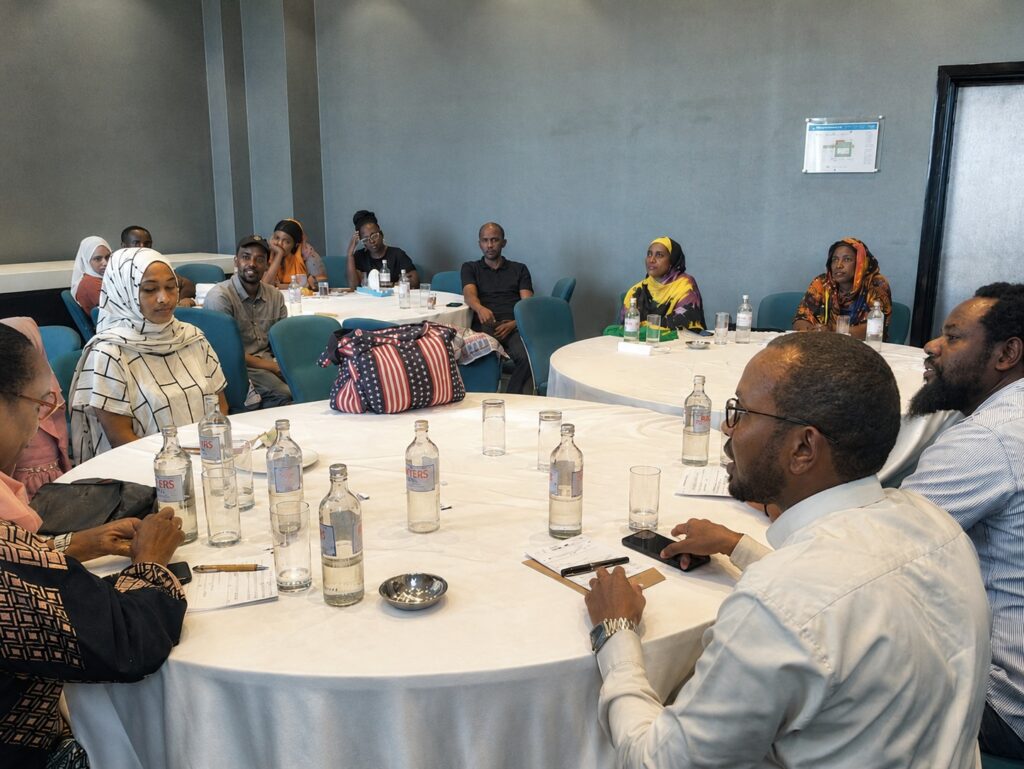
▲ A Community Dialogue Session
At the beginning of the sessions, many participants voiced serious concerns about the reintegration of inmates who have been involved in armed conflicts.
“Is it really safe to accept former inmates back into the community?”
“What if they become radicalized again or get involved in crime?”
Rather than dismissing these concerns outright or immediately asking participants to accept former inmates, we first encouraged them to speak openly about what they feared and what concerned them.
We also used informal moments, such as lunchtime, to help participants get to know one another and gradually build relationships, creating an environment where they could exchange their views openly.
During these discussions, we shared that a range of factors—including poverty, isolation, and hopelessness about the future—can contribute to a person becoming involved in violence. We also emphasized that the issue should not simply be seen as a choice between “accepting” or “rejecting” former inmates. Instead, we encouraged participants to think together as a community about how they could engage with them gradually and safely.
As the dialogue continued, the tone gradually shifted from “It is difficult to accept them” to a more constructive question: “If no one engages with them, they will have nowhere to return to. How can we, as a community, engage with them?”
By the end of the sessions, people from a range of backgrounds expressed a willingness to play a role in supporting their reintegration.
A single dialogue cannot eliminate every concern or prejudice. Even so, it is a significant step that community members have begun to think about the future of former inmates—people who had previously been seen only as a threat—and to consider how they might be welcomed back into the community.
We will continue to pursue comprehensive efforts that involve local communities, so that inmates/former inmates can break away from cycles of hatred and move forward with their lives.
2. Our Work in Prisons
In prisons in Kenya, we run rehabilitation and reintegration programs that combine life-skills training, vocational training, religious dialogue, and other forms of support.
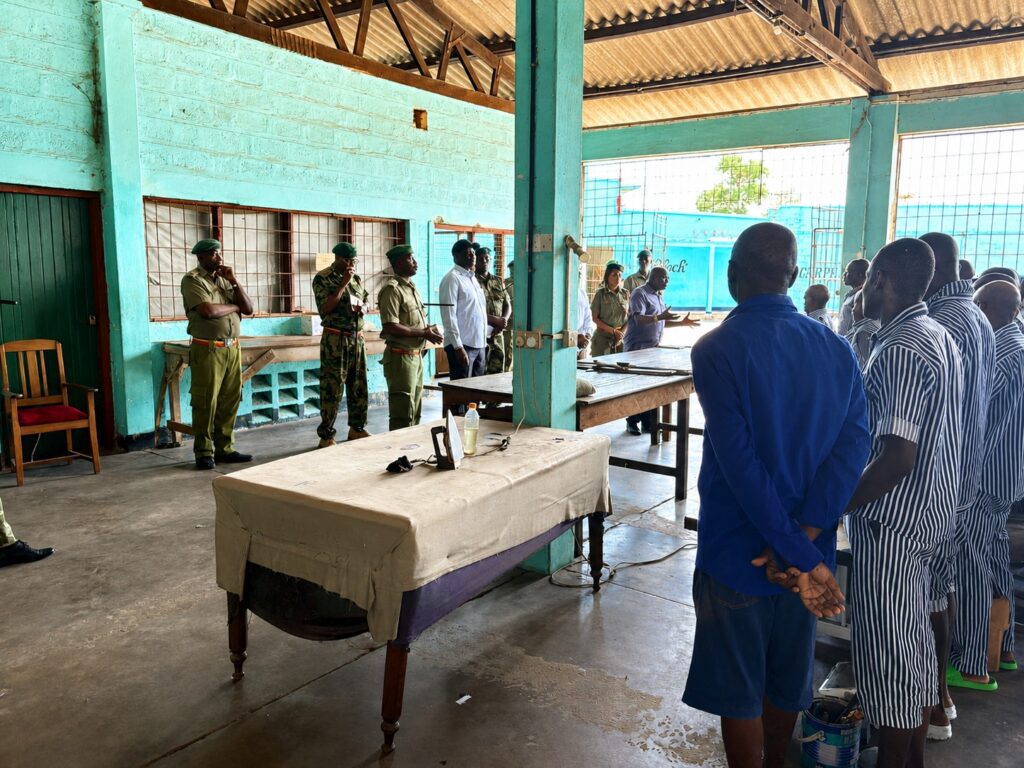
▲ Vocational training for inmates
However, the inmates did not trust us at first. Some inmates who have been involved in armed conflicts were wary of us and initially chose not to participate.
They expressed concerns such as:
“Are you here to collect information about us for the government?”
“Are you trying to deny what we believe and force us to change?”
“Nothing will change even if I talk to you.”
That is why we began by listening to them, rather than trying to teach them from the outset.
“What drew you to those beliefs?”
“What has your life been like so far?”
“What kinds of struggles have you faced with your family or in society?”
We continued to speak with them over time, gradually building trust through these conversations.
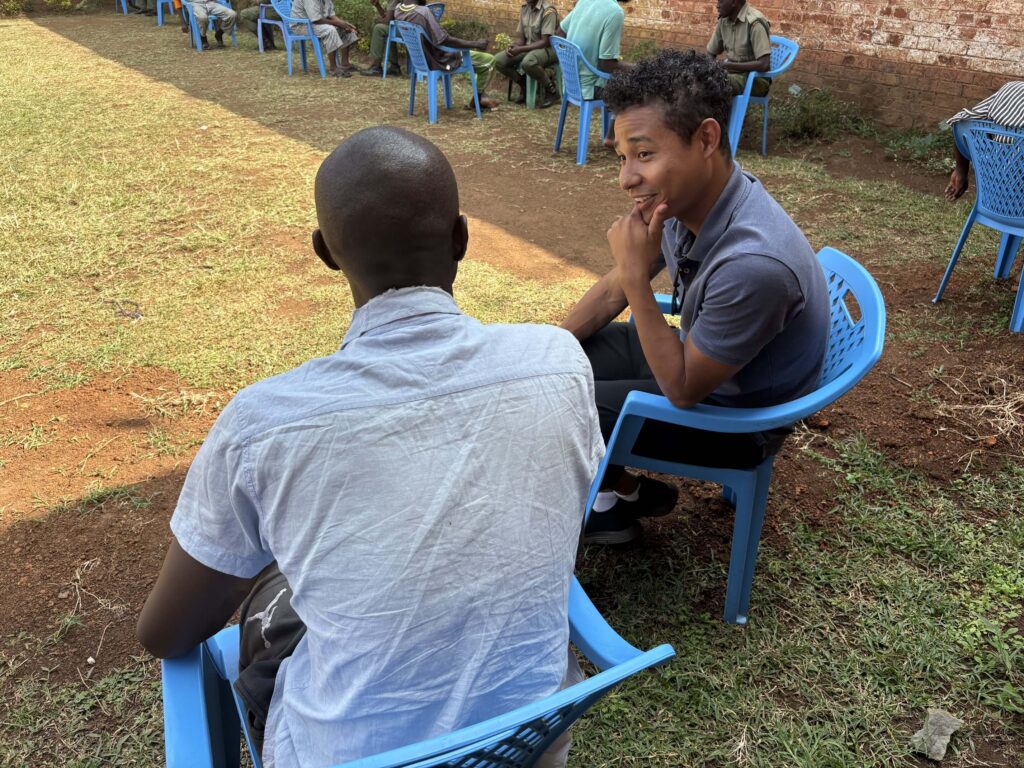
▲ Phiri, our staff in Kenya, in conversation with an inmate (on the right)
As these relationships continued, we gradually began to see changes.
For example, one inmate who had previously avoided interacting with prison officers began greeting them voluntarily. Seeing this change, one prison officer told us, “I never thought he would change this much.”
Another inmate rarely spoke and tended to keep his distance from the other participants. We continued to engage with him through dialogue, without rushing the process. One day, when the conversation turned to family, he began to cry as he spoke about his mother. As he gradually opened up about his past, he also began to engage more with the other participants.
We have also received comments from inmates, including the following:
“At first, I did not trust the Accept International staff and prison officers. But through repeated dialogue, I have been able to reflect on my past and start thinking about what I want to do with my life.”
“I was worried about how my community and family would see me after I returned to society. But with this support, I have been able to set concrete goals and think more positively about my future.”
Changes like these do not happen overnight. Through persistent and repeated dialogue, participants gradually begin to reflect on themselves and develop a more positive outlook on their future.
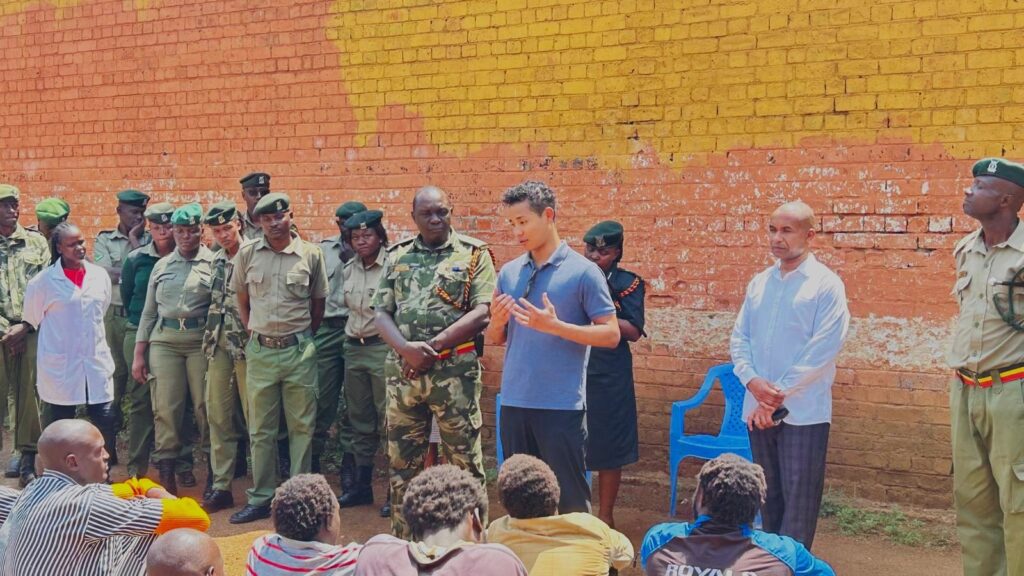
▲ Phiri speaking with inmates (at center)
A Message from Kanyakiso Phiri, Country Director in Kenya
Thank you, as always, for your continued support. My name is Phiri, and I am a Country Director in Kenya.
I sincerely hope that prisons and local communities in Kenya can gradually overcome their fears and prejudices toward inmates/former inmates and become a society that can believe that “they, too, have the potential to change.”
This idea is not limited to inmates who have been involved in armed conflicts in Kenya. Wherever we are, I hope we can build societies that seek to understand what led someone to make a serious mistake. This means looking at the circumstances they faced, the isolation they experienced, and the struggles they carried, while still recognizing their potential to change.
Going forward, we will further strengthen support tailored to each individual’s needs, particularly through one-on-one dialogue. We will also deepen our collaboration with local communities to create a more supportive environment for people after their release and establish systems that can provide them with sustained support throughout the reintegration process.
By continuing to recognize each individual’s background and humanity, I hope we can work toward a more loving and understanding world—one in which everyone has the opportunity to rebuild their connections with society.
Thank you very much for your continued warm support.
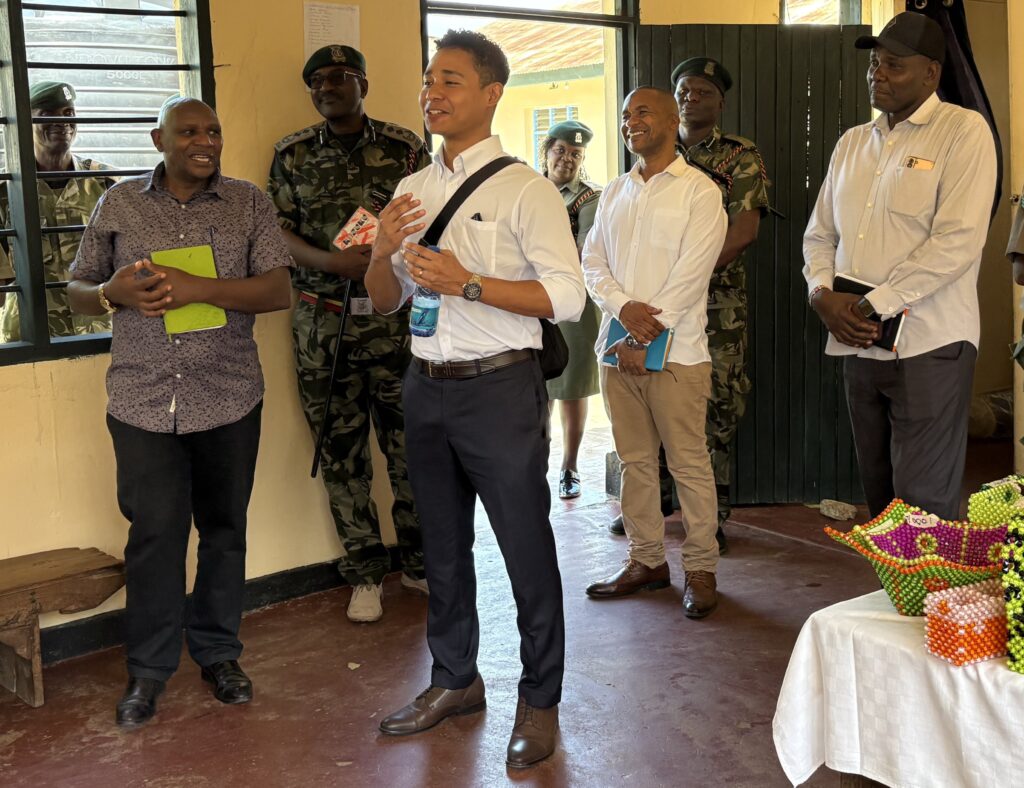
▲ Phiri delivering a speech (at center)
To Our Readers
Thank you for reading this activity report. We will continue to share updates on the activities, and we hope you will continue to follow our work.
All of these initiatives are made possible through your support, particularly from those who join as “Accept Ambassadors”, contributing from just 10 USD per month.
To support more young people engaged in armed conflicts on new paths forward, we still need much more help.
We hope you will walk with us as an Accept Ambassador – to help break the cycles of violence and build a more peaceful future together.
➡ Become an Accept Ambassador