





Our Work in Somalia
In addition to supporting young individuals seeking to disengage from Al-Shabaab, we provide rehabilitation and reintegration support to former combatants and individuals in detention, and work to foster reconciliation with local communities. Through these efforts, we aim to contribute to breaking cycles of hatred on the front lines of the conflict and building trust within communities affected by the conflict.
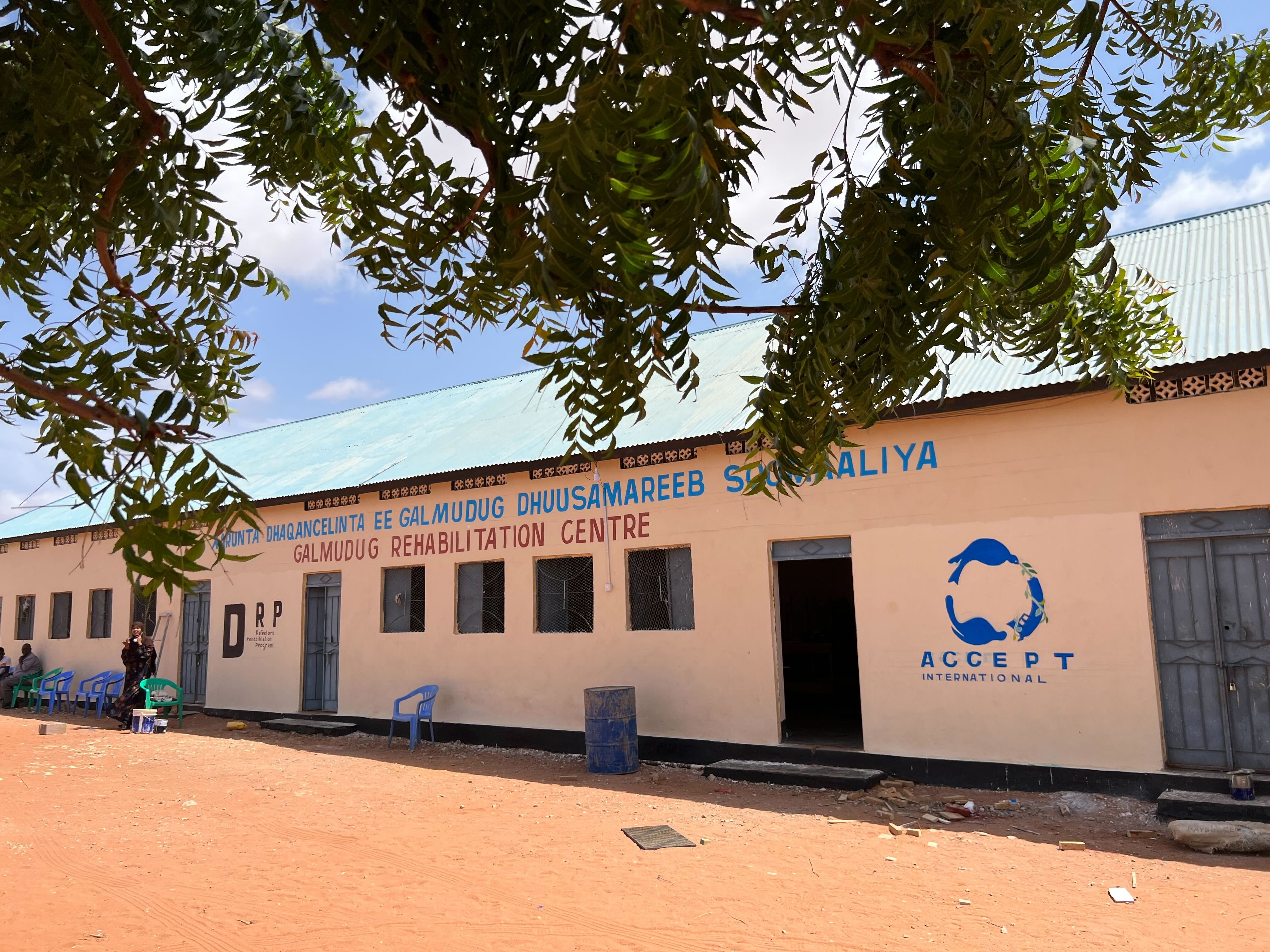
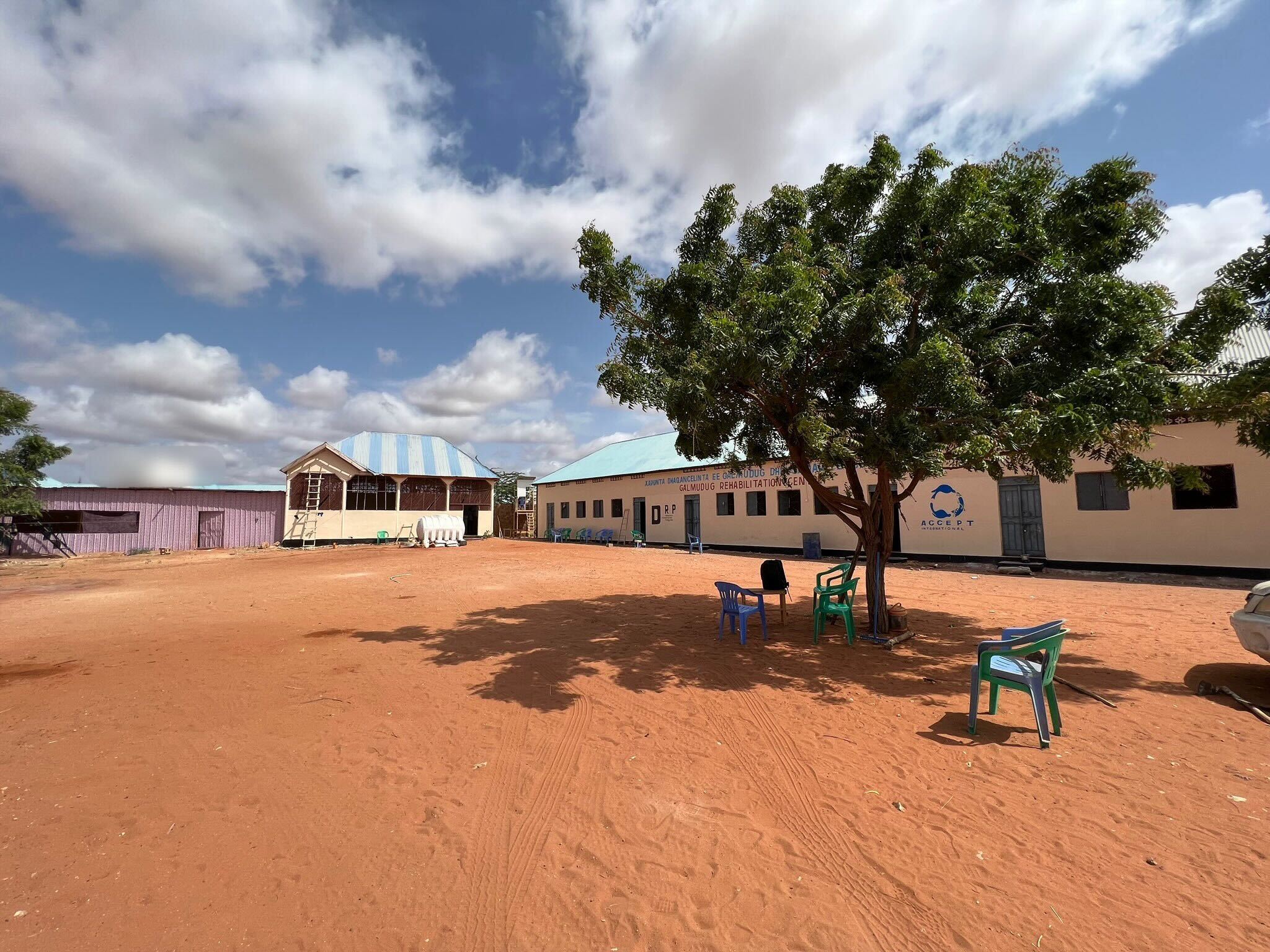
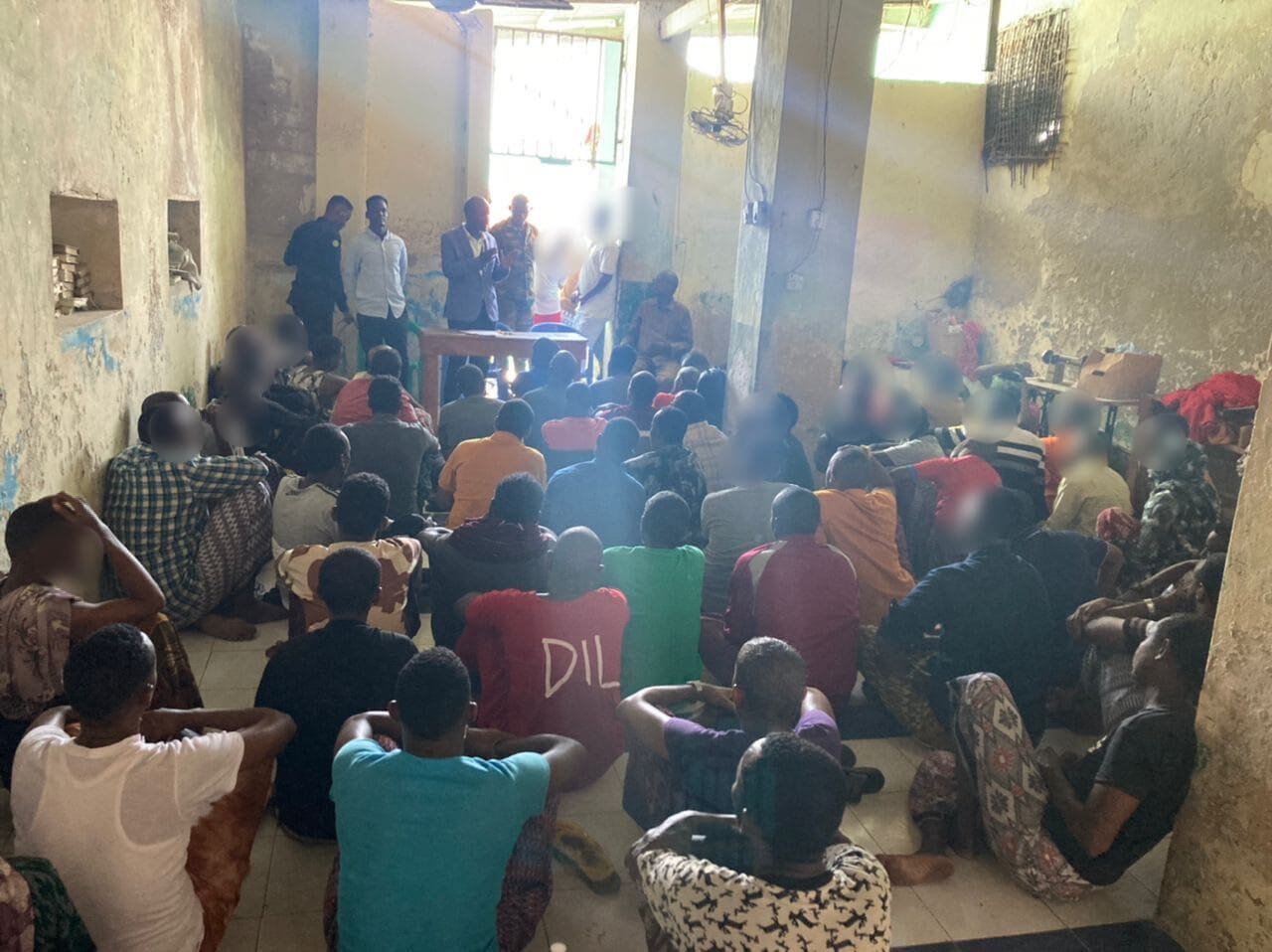
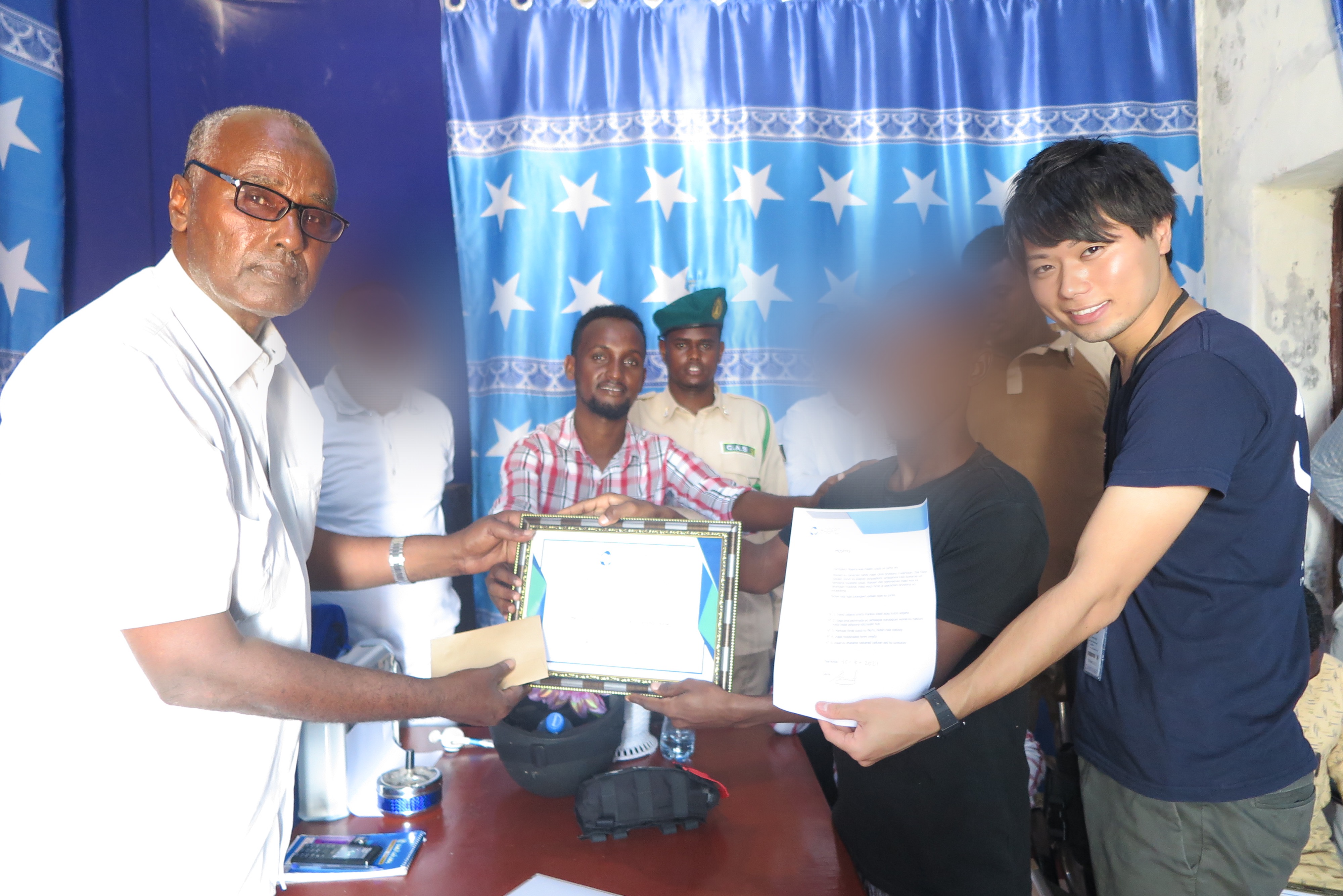
We implement rehabilitation and reintegration programmes at a federal government-run rehabilitation facility for former combatants in the capital city of Mogadishu, as well as at the central prison housing detainees. Furthermore, in Dusamareb, Galmudug State, a frontline region affected by the conflict with Al-Shabaab, we operate a rehabilitation facility for former combatants in collaboration with the regional authorities.
1. Supporting Disengagement and Defection from Al-Shabaab
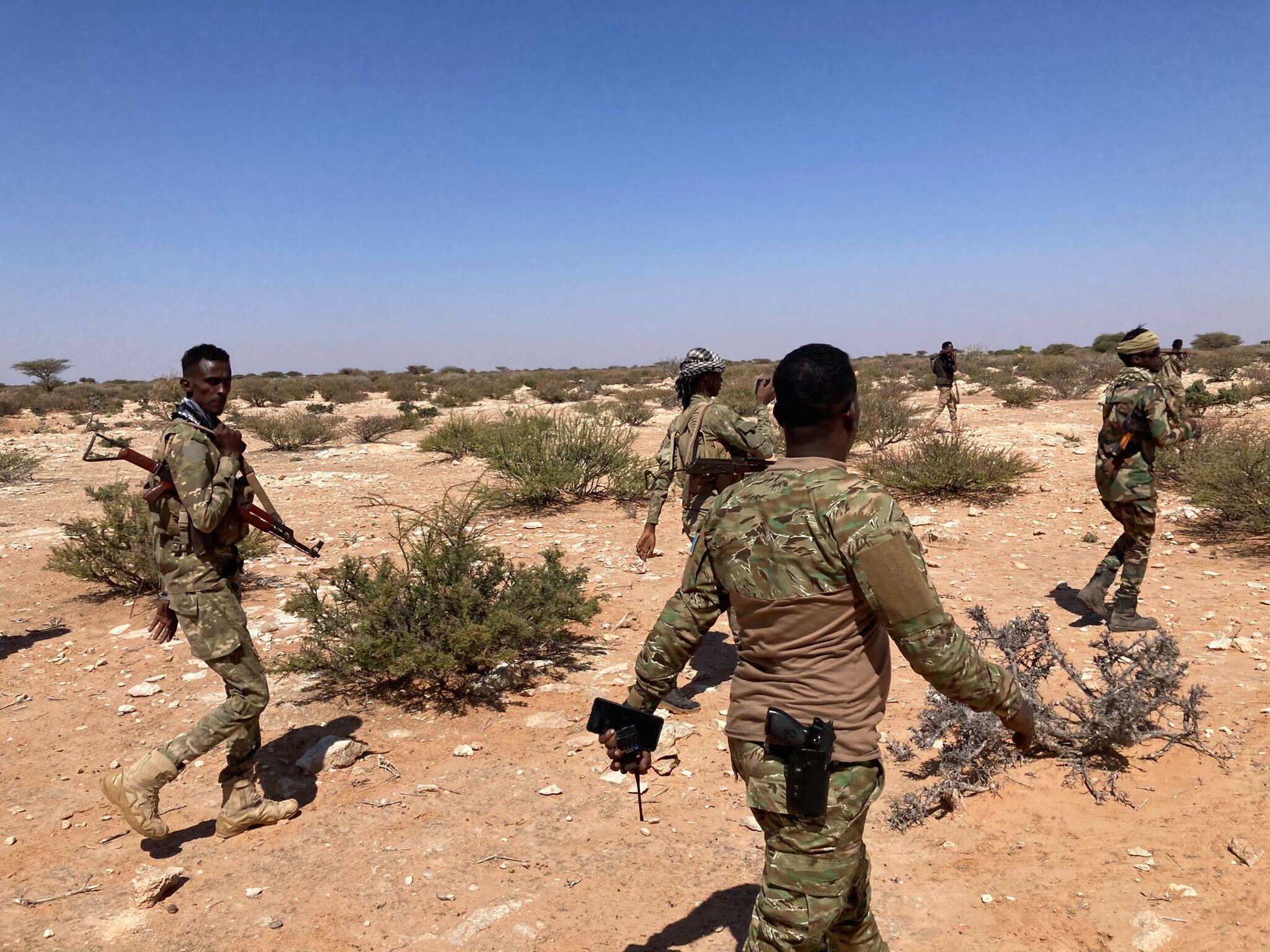
In cooperation with military forces, intelligence agencies, and other relevant authorities, we directly support young individuals seeking to disengage from Al-Shabaab and defect from the group by disseminating information on amnesty opportunities, rehabilitation and reintegration programmes, and testimonies from former combatants who have successfully defected. This information is shared through radio broadcasts, informational leaflets, and community awareness sessions.
In addition, we operate a toll-free hotline through which individuals can confidentially seek advice and support regarding disengagement and defection.
We also provide capacity-building training to military and police personnel responsible for receiving defectors, focusing on the humane treatment of former combatants, appropriate reception procedures, and compliance with relevant international legal standards and norms.
2. Rehabilitation and Reintegration Support
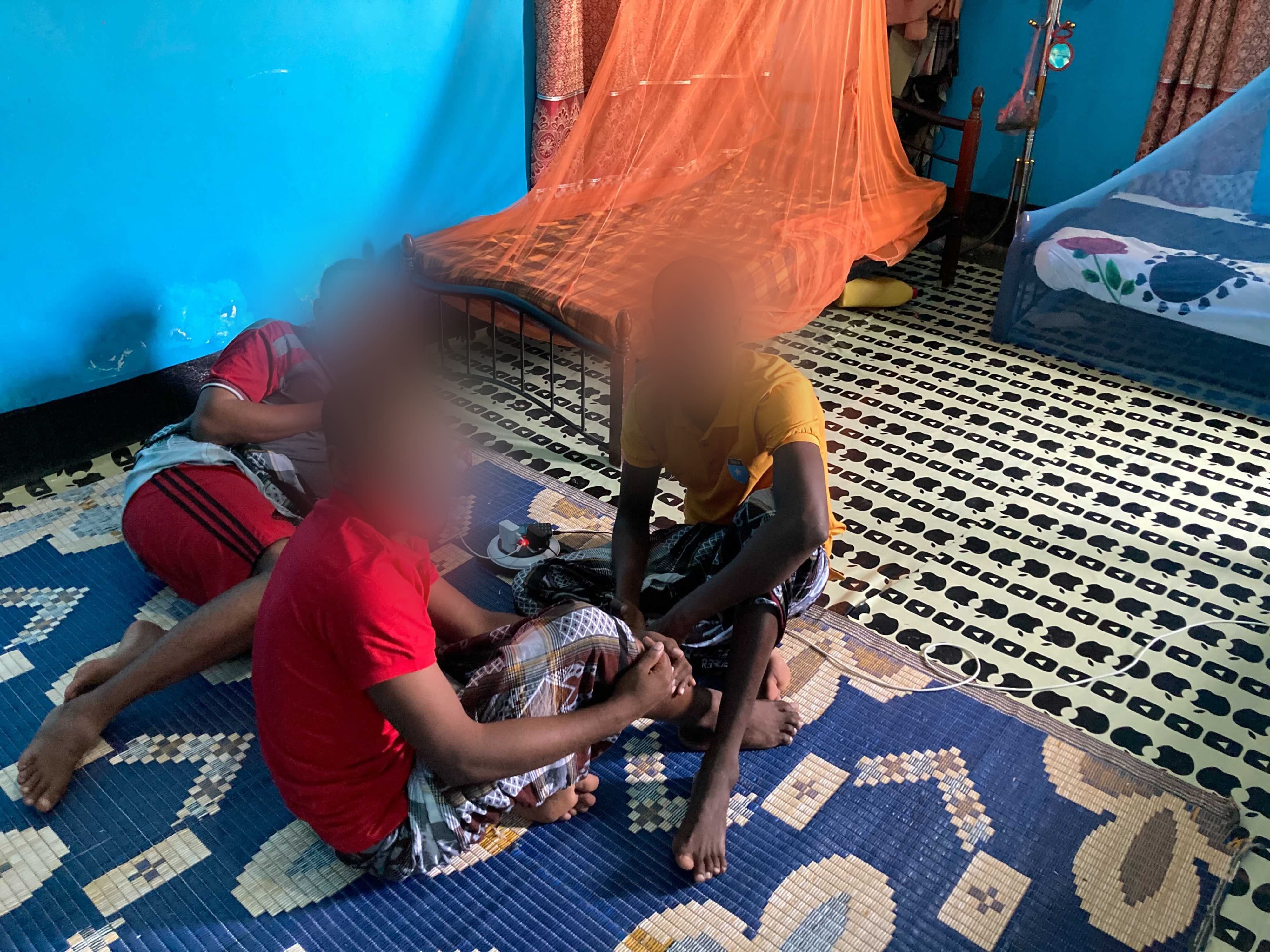
We provide a wide range of rehabilitation and reintegration programmes for detainees held in prisons, as well as former combatants residing in rehabilitation facilities. Through these efforts, we aim to support them in becoming agents of peace within their communities.
Psychosocial Counseling
Rather than denying or dismissing the beliefs, grievances, and frustrations these young individuals carry, we begin by acknowledging their experiences and working together to explore peaceful and constructive ways to address them.
We place particular emphasis on understanding the often unavoidable circumstances that led them to join armed groups, while connecting discussions to their future aspirations, personal goals, and life after release.
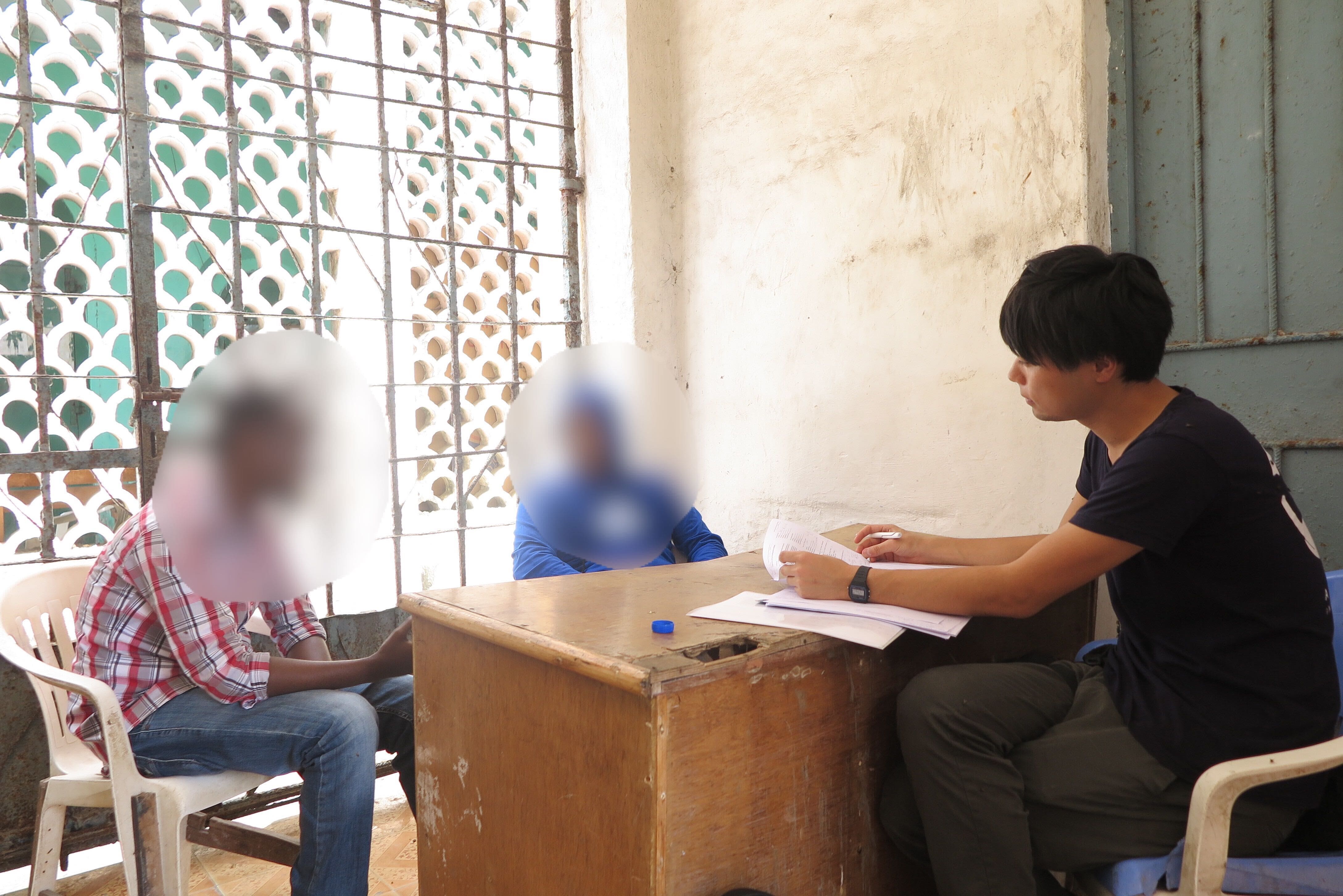
Through repeated one-on-one counseling sessions conducted over time, we build trust and support long-term behavioral transformation.
Vocational Training and Livelihood Support
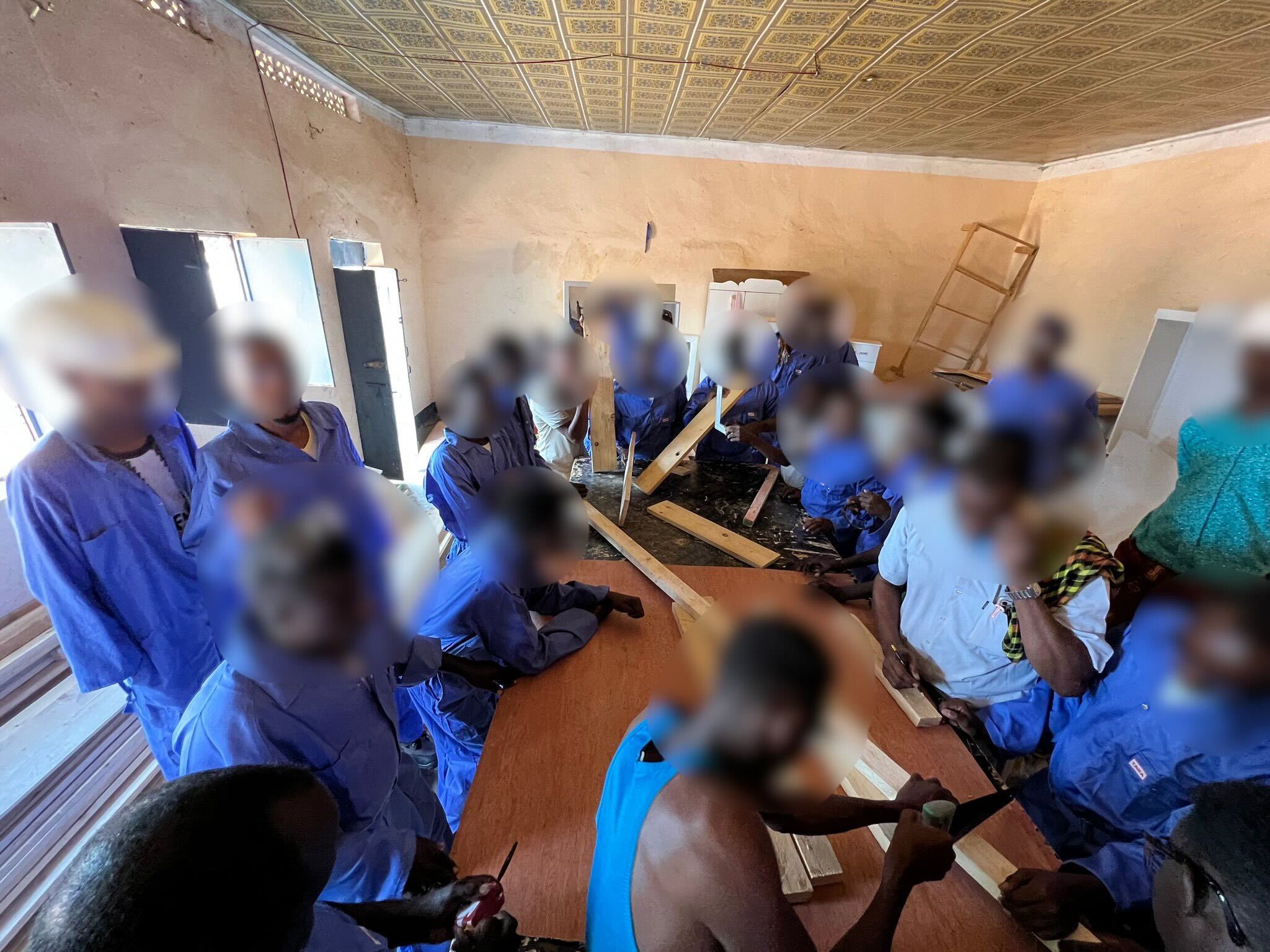
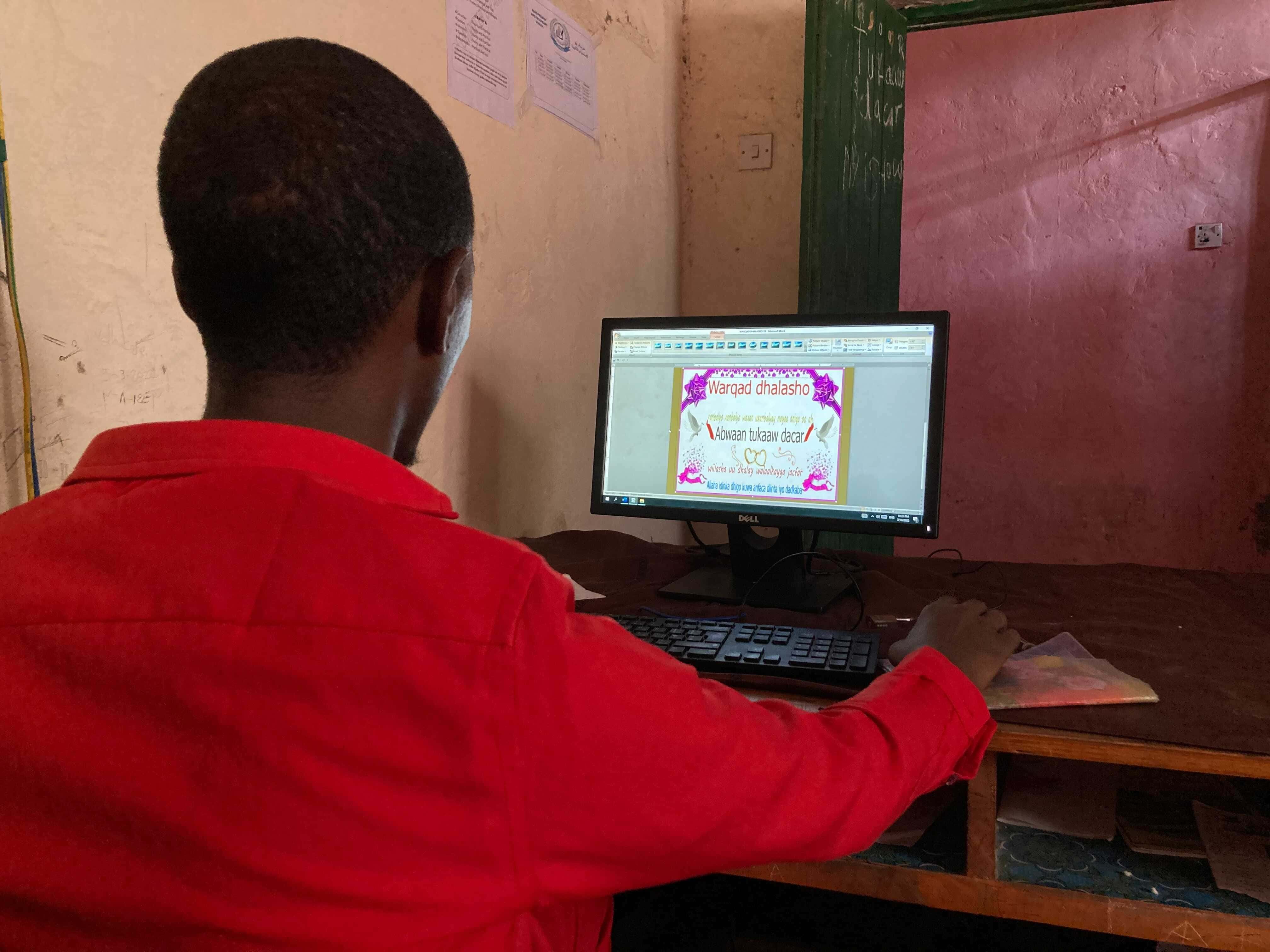
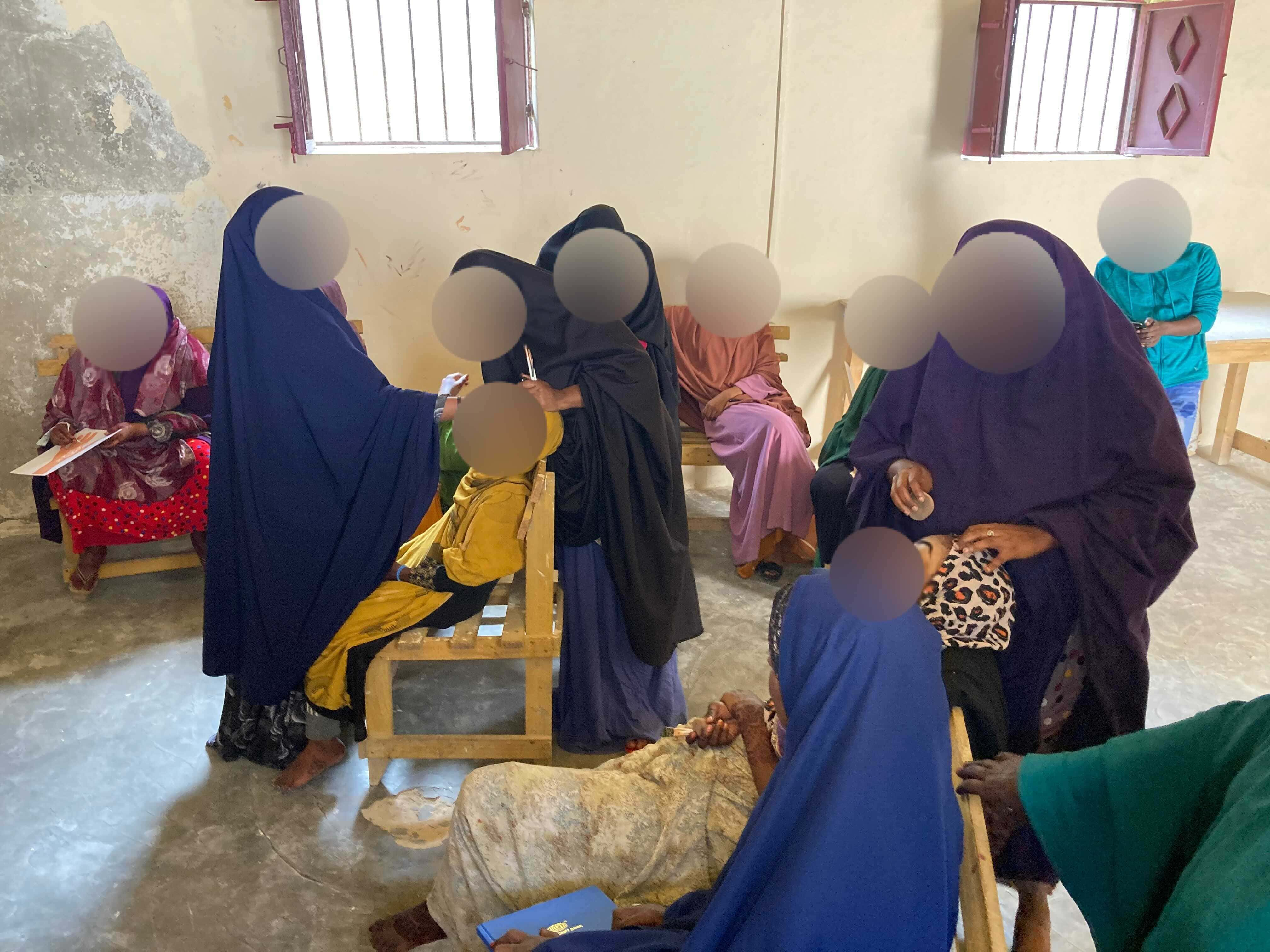
To promote economic and social independence, we provide vocational training in skills that are in demand within local communities, including carpentry, tailoring, and ICT. For women, this also includes skills such as henna art and makeup.
In addition, we work closely with participants to develop practical plans for how these skills can be applied in real-life settings and transformed into sustainable sources of income.
Basic Education
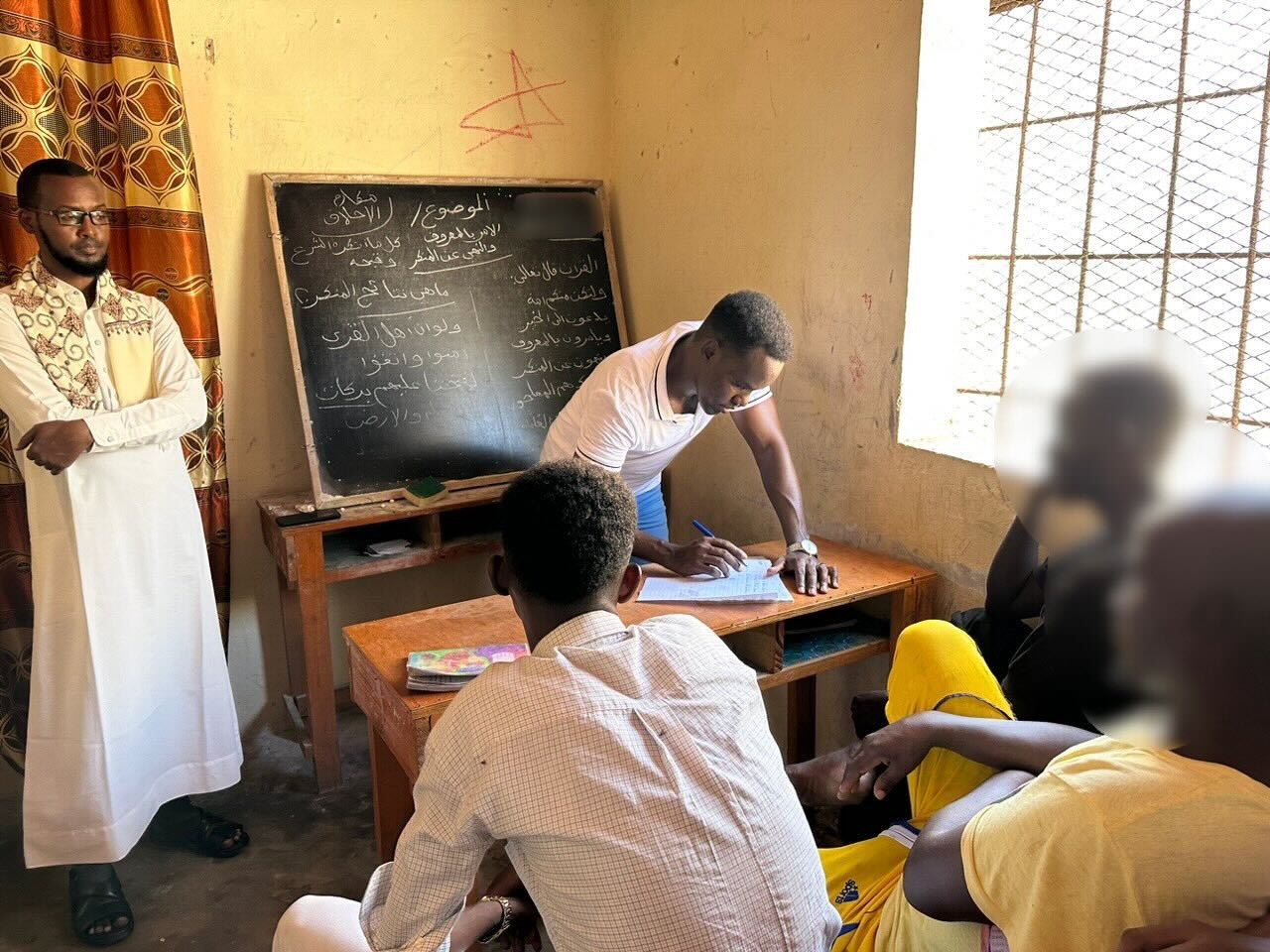
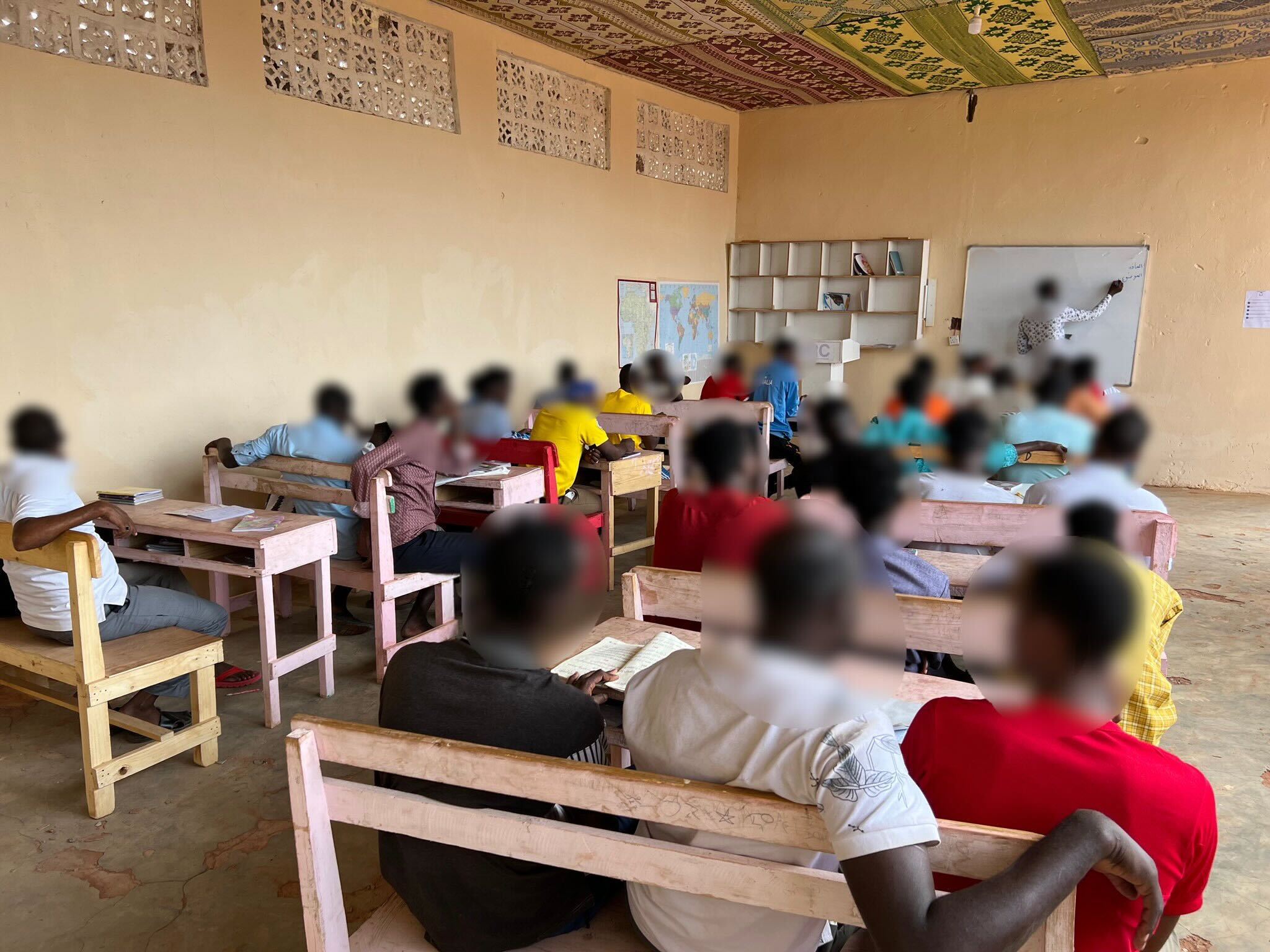
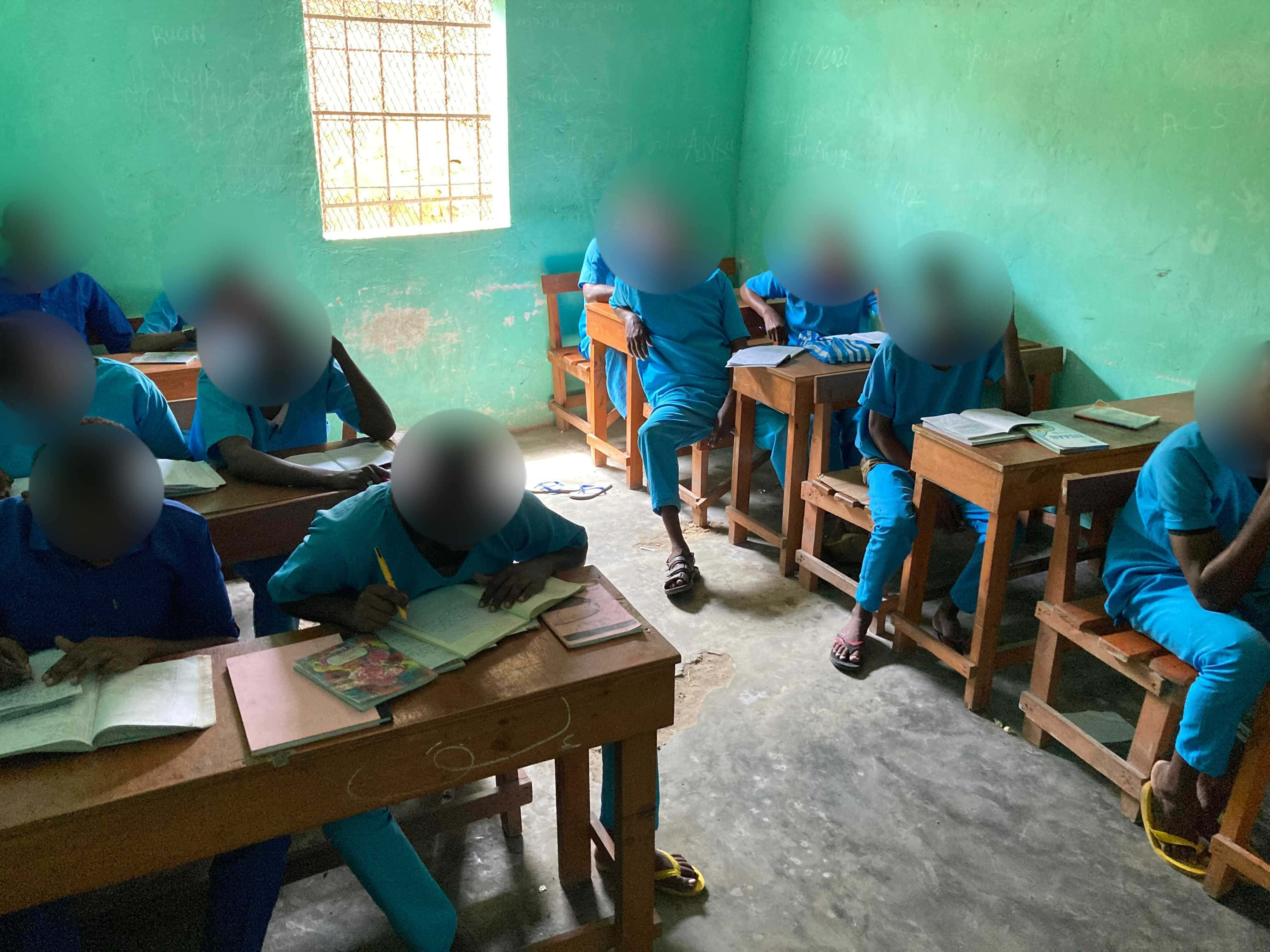
We provide foundational education five days a week in literacy, numeracy, English, Arabic, social studies, science, and business.
Within prison settings, we also engage literate inmates as peer educators, creating opportunities for mutual learning and empowerment.
Religious Dialogue and Critical Reflection Seminars
Many young individuals have never directly studied Islamic scripture and may have developed highly one-sided interpretations after prolonged exposure to extremist narratives.
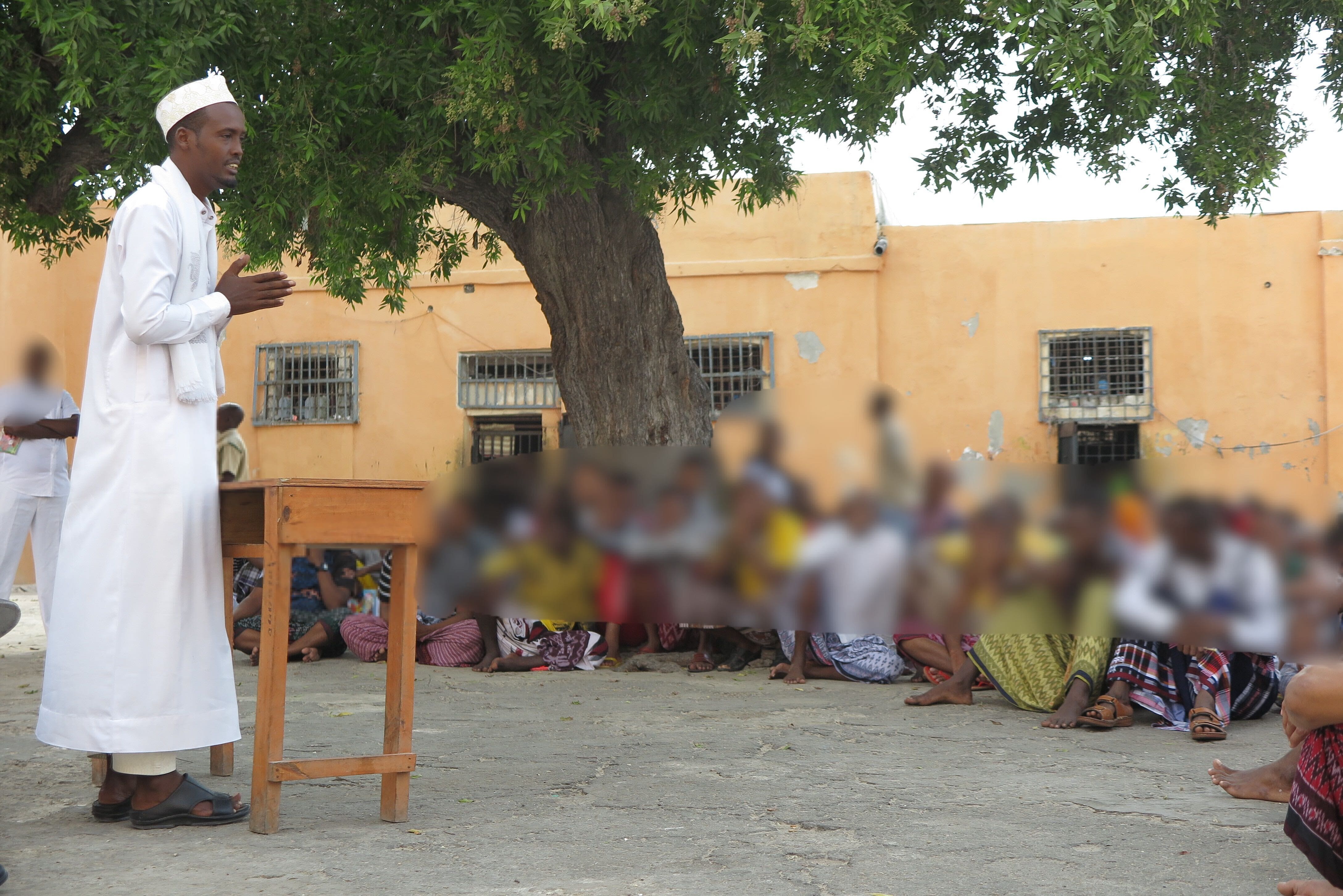
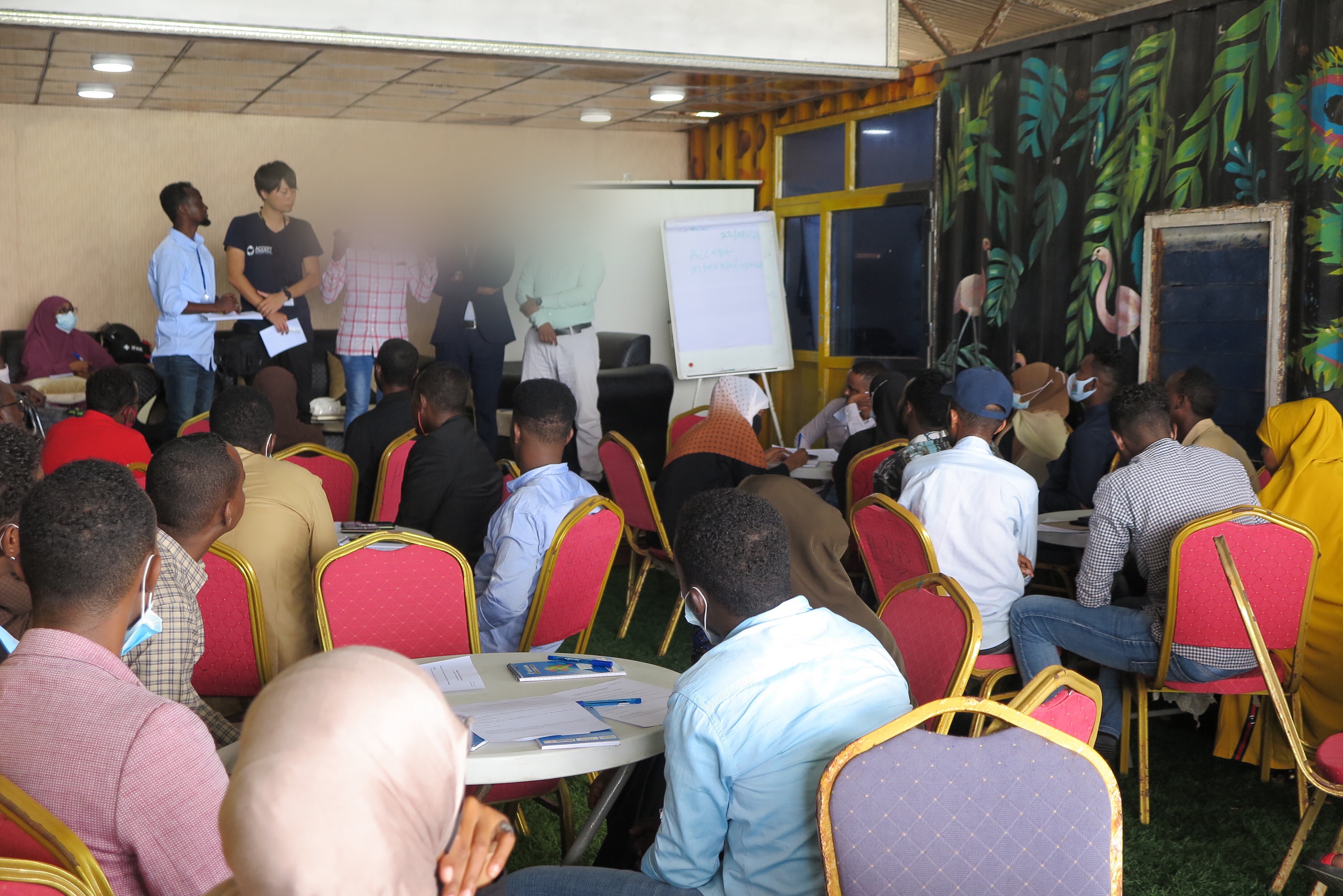
Rather than attempting to change their beliefs through one-way ideological instruction, we work alongside local religious leaders to facilitate group dialogue sessions on themes such as reconciliation, sin and forgiveness, peace, nonviolence, and traditional Islamic teachings. Through open discussion and reflection, participants are encouraged to develop multifaceted perspectives and critical thinking skills.
For detainees who are not permitted to leave their cells, we have also installed broadcasting systems to deliver educational sessions directly into the prison cells.
Post-Release Preparedness Sessions
When young people encounter realities after release that do not align with their expectations, the risk of re-radicalization can increase.
Through post-release preparedness sessions, we discuss potential challenges they may face within society in advance, jointly explore practical solutions, and help them build realistic expectations before reintegration.
Guarantor Coordination and Long-Term Follow-Up
Upon release or graduation from the programme, we coordinate with family members, guarantors, and community supporters to ensure that participants do not face reintegration alone.
We provide long-term follow-up support for at least one year, including periodic reintegration assistance, regular communication, and in-person visits to provide ongoing guidance regarding business development, employment, and daily life challenges.
Improvement and Refurbishment of Prisons and Rehabilitation Facilities
To expand access to rehabilitation, we have supported the improvement of prisons and rehabilitation facilities through the renovation of educational spaces, installation of computers, provision of school supplies and blackboards, distribution of medical kits and medicines, construction of separate cells for individuals under the age of 18 and for those requiring medical isolation, and the establishment and operation of libraries.
These visible forms of support also help strengthen trust and facilitate constructive engagement with government authorities.
3. Promoting Reconciliation with Local Communities
Dialogue Sessions and Community Awareness Activities
In many cases, former members of armed groups are unaware of how local communities perceive them, while communities often do not fully understand the circumstances that led young people to join armed groups.
This lack of mutual understanding, and the misconceptions that arise from it, deepen emotional divides and make reconciliation in conflict-affected areas even more difficult.
To help bridge this gap, we regularly organize dialogue sessions that bring together community representatives and former members of armed groups.
During these sessions, participants share their experiences, including the circumstances that led them to join armed groups, as well as their experiences within prisons and rehabilitation facilities. Through open dialogue as equal members of society, we help create the foundations for genuine reconciliation.
In addition, our radio broadcasts, originally designed to promote disengagement and defection, are also accessible to the general public and are intentionally designed to foster a broader understanding of the circumstances faced by young people who became involved in armed groups.
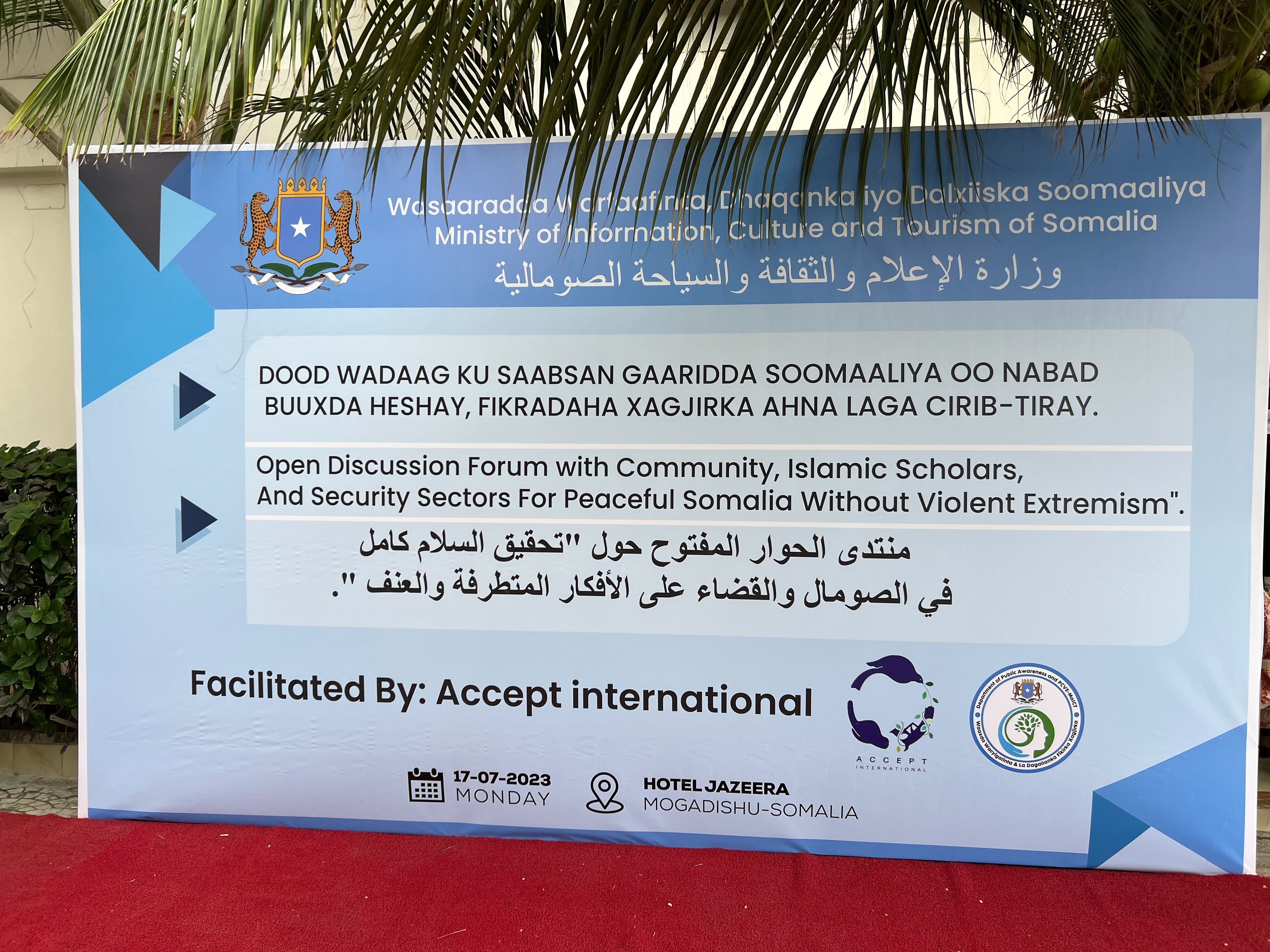
We also conduct various awareness-raising activities in cooperation with government institutions.
Emergency Humanitarian Assistance for Conflict-Affected Communities
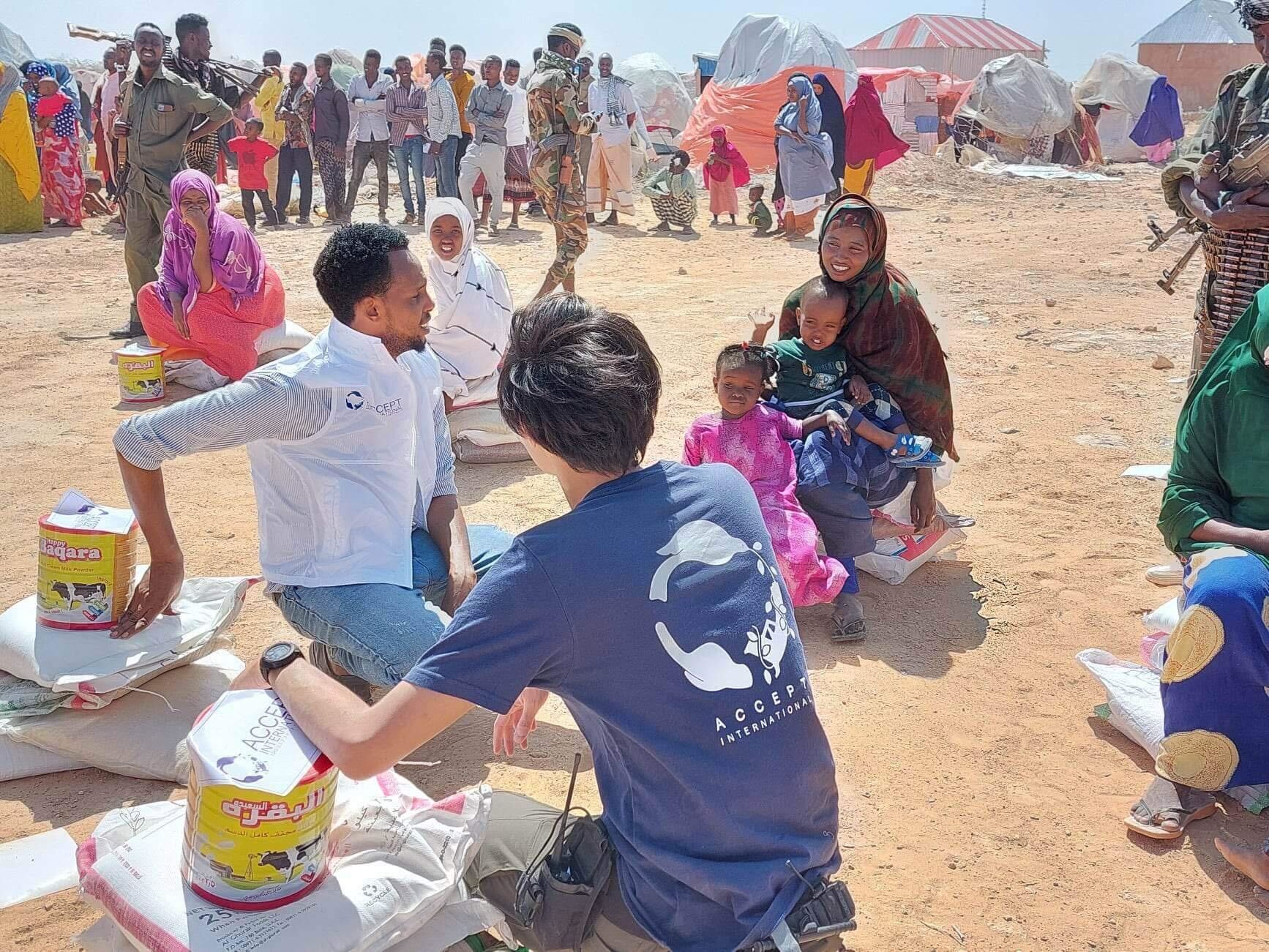
We provide emergency humanitarian assistance, including food, water, and medical support, to people displaced by prolonged conflict and recurring episodes of famine.
We also provide educational support for children living in displacement camps who have limited access to schooling.
These activities are not conducted in isolation. To connect humanitarian assistance with conflict resolution and peacebuilding, we actively create opportunities for former youth combatants from Al-Shabaab to participate in these initiatives.
Through such involvement, they are able to contribute positively to society, foster a sense of accountability and purpose, and build meaningful pathways toward reconciliation with local communities.
Examples of Youth We Have Supported
• Hussein (pseudonym), who now supports the disengagement and reintegration of former combatants (Read his story here)
• Mumin (pseudonym), who rebuilt his life and became an assistant restaurant manager (Read his story here)