





Our Work in Japan
1.Supporting the Reintegration of Young People Who Have Been Involved in Offending and Raising Public Awareness

Young people who have been involved in offending are often labelled as “offenders” and excluded from society. Supporting victims of youth crime is essential, and helping young people reintegrate into society can also help prevent further harm and reduce the number of future victims.
Many of these young people face challenges they cannot resolve on their own, including domestic violence, poverty, mental health conditions, and disabilities. When involvement in crime adds to these complex difficulties, existing rehabilitation and welfare services alone may struggle to meet their needs.
Drawing on our experience of providing comprehensive reintegration support to young people associated with armed groups overseas, we help young people build hopeful futures with support from those around them. Our services primarily support young people in their teens and twenties living in Tokyo, Saitama, Chiba, and Kanagawa who have concerns related to offending or lack trusted adults they can turn to. Our work has four main components.
Community Reintegration and Individual Support
We provide ongoing support to young people leaving juvenile training schools or prisons, those on probation, people in detention awaiting trial, and those serving prison sentences. Through regular communication, visits, and correspondence, we help them find hope for the future and build confidence in their lives within the community.
Our approach draws on our experience overseas: rather than seeking to “correct” or “rehabilitate” young people through a one-sided process, we work alongside them to understand their challenges and explore new possibilities for their future.
Outreach and Support to Build a Sense of Belonging
In and around Kashiwa City, Chiba Prefecture, we reach out to young people at risk of becoming involved in delinquency or crime. Some spend time in nightlife and entertainment districts in search of a place to belong, where they may be exposed to situations that put them at risk.
Drawing on our experience of reaching young people associated with armed groups in conflict affected contexts, we use a range of outreach methods to connect with young people in Japan who have difficulty accessing support. We share information and build relationships so that they have someone to turn to when they need help.
Emergency Accommodation and Daily Living Support
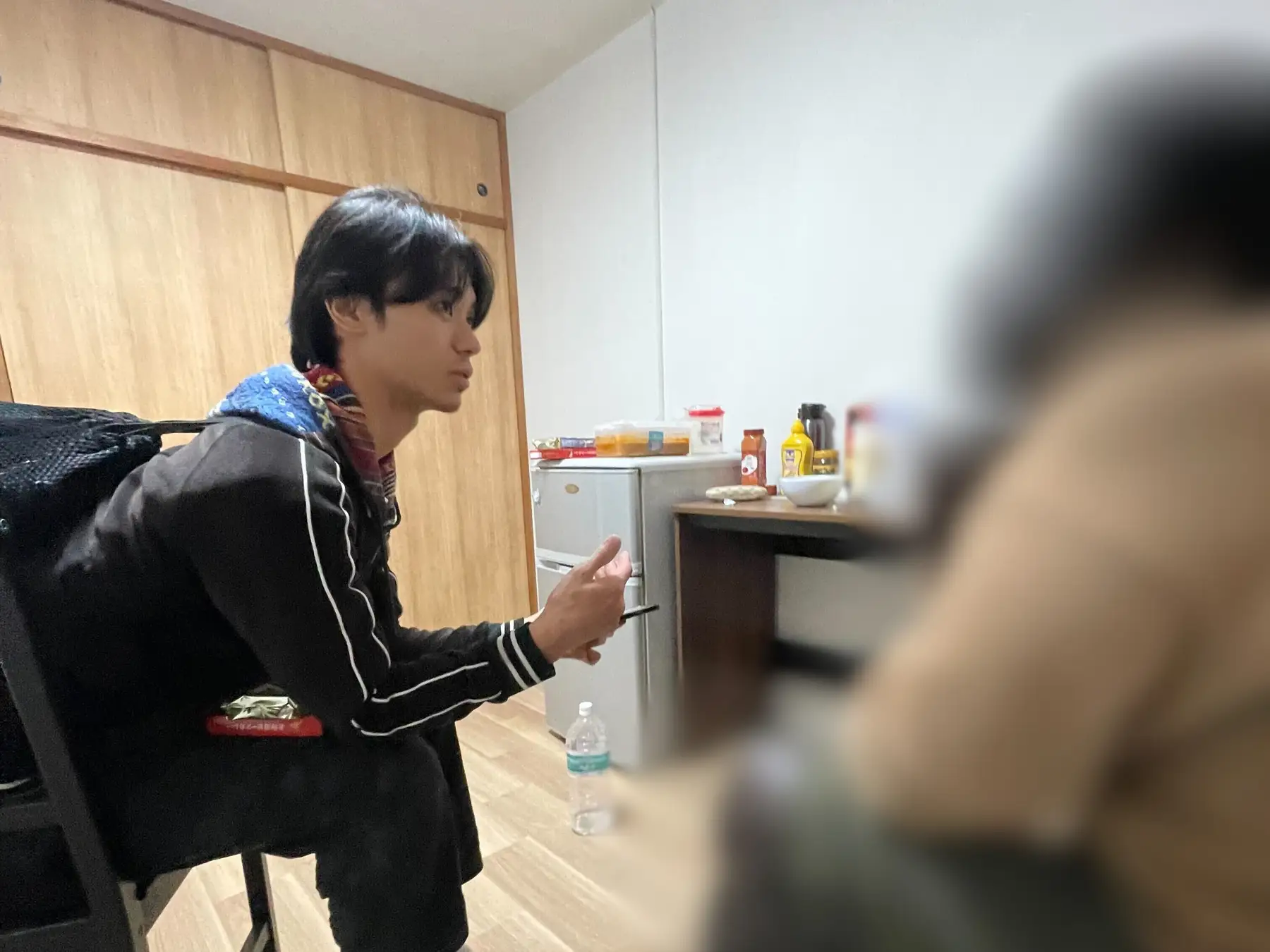
We provide accommodation for approximately three to six months to young people who have concerns related to delinquency or crime and have nowhere to return to. Alongside housing, we offer support with managing money, finding employment, and accessing education to help them move towards independent living.
Among the young people we have supported are those who were forced to relocate after being targeted by groups of young people riding motorcycles, and those who lost both their jobs and their accommodation when jobs that provided housing did not work out.
Some of these challenges are difficult to address through existing rehabilitation or disability support services alone. Drawing on our experience of independently operating rehabilitation facilities for former members of armed groups in conflict settings, we provide comprehensive support—including help with managing money and access to meals—to help young people build independent lives.
“Tsunagaru Radio” in Correctional Facilities
Tsunagaru Radio is a programme designed to help people in correctional facilities connect with themselves, with society, and with possibilities for their future.
It shares personal stories that encourage listeners to reflect on their own challenges, offers opportunities to feel connected with people in the wider community, and provides practical information about difficulties they may encounter after release, ways to address them, and available support services.
2.Supporting Foreign Residents Who Have Been Left Behind
Consultation and Ongoing Individual Support
Through our website, WhatsApp, and other channels, we respond to questions and concerns about residency status, employment, education, healthcare, daily life, and the future. We provide information, ongoing individual support, opportunities for social connection, and access to legal advice in cooperation with lawyers and other specialists when needed.
This approach draws on our experience overseas of providing comprehensive support tailored to each person’s needs and circumstances.
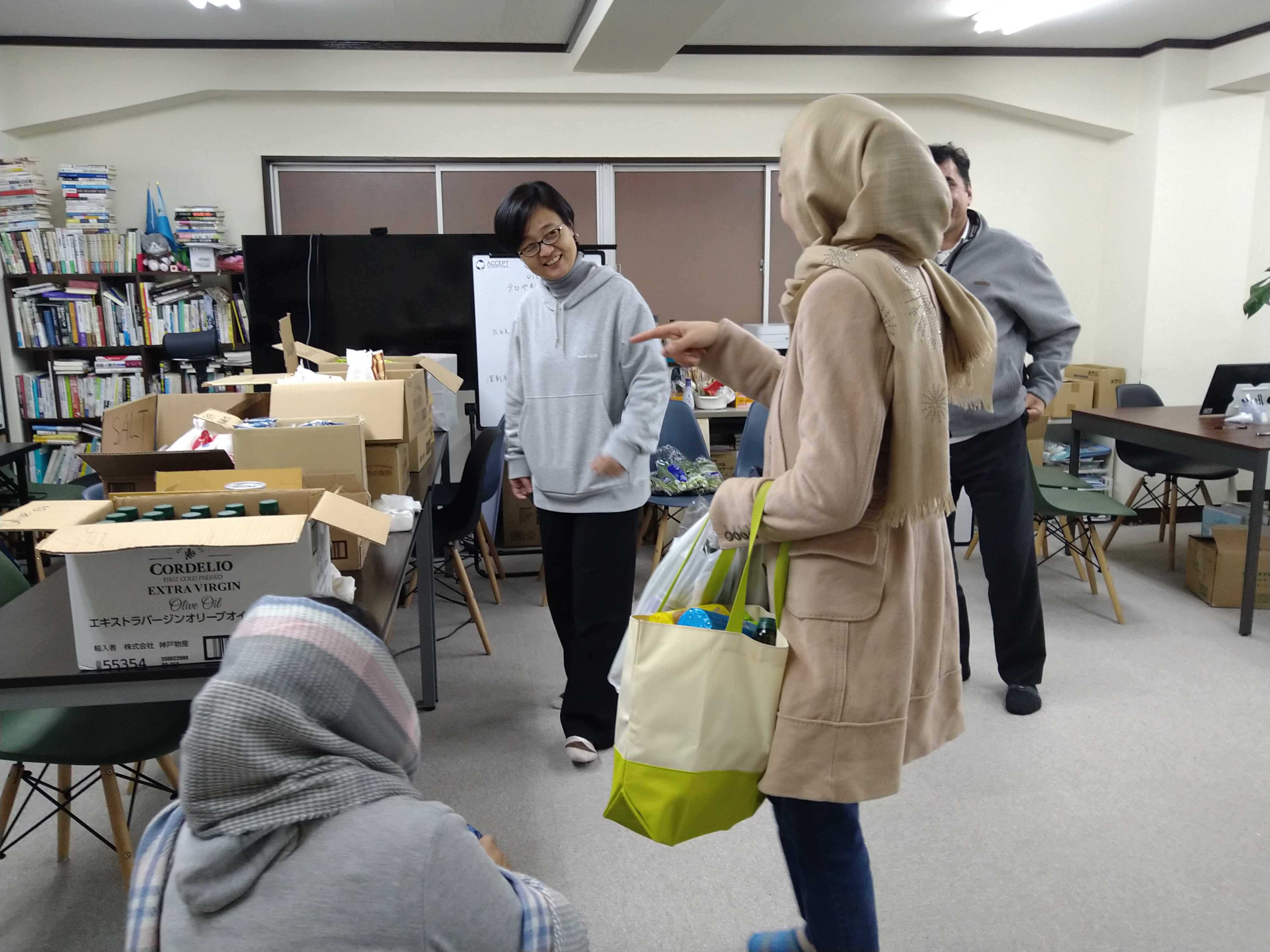
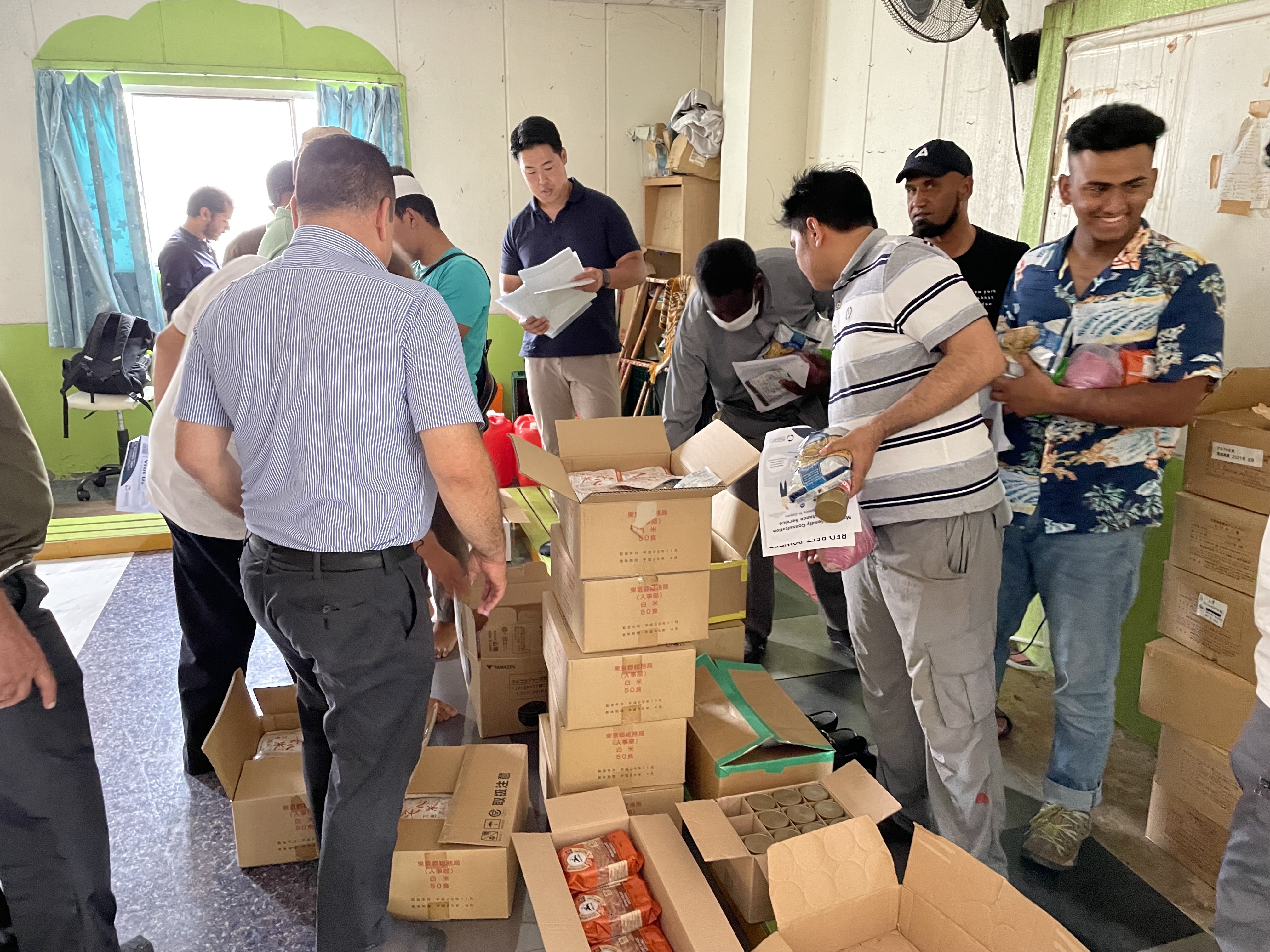
Food, Accommodation, and Japanese Language Support
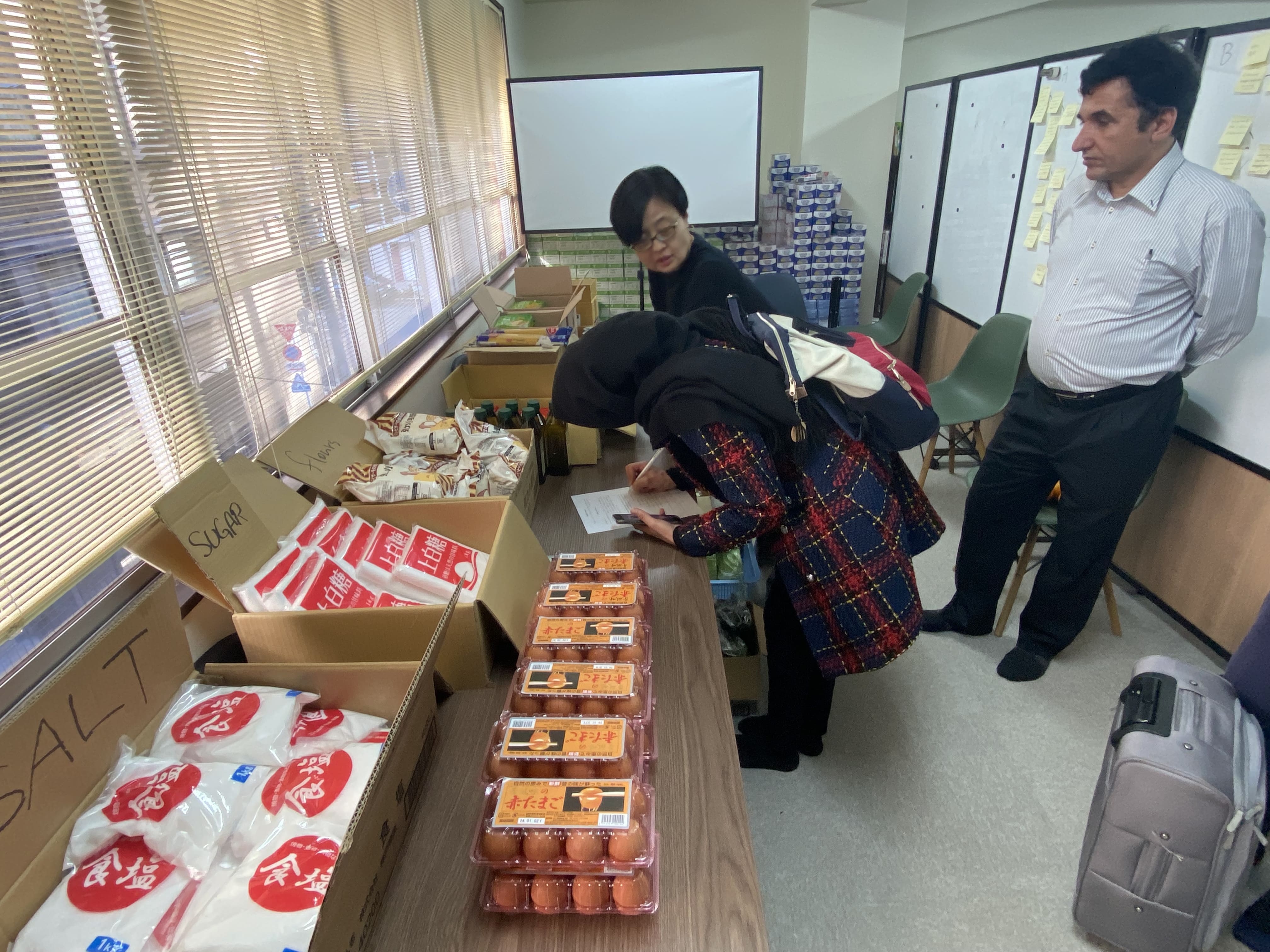
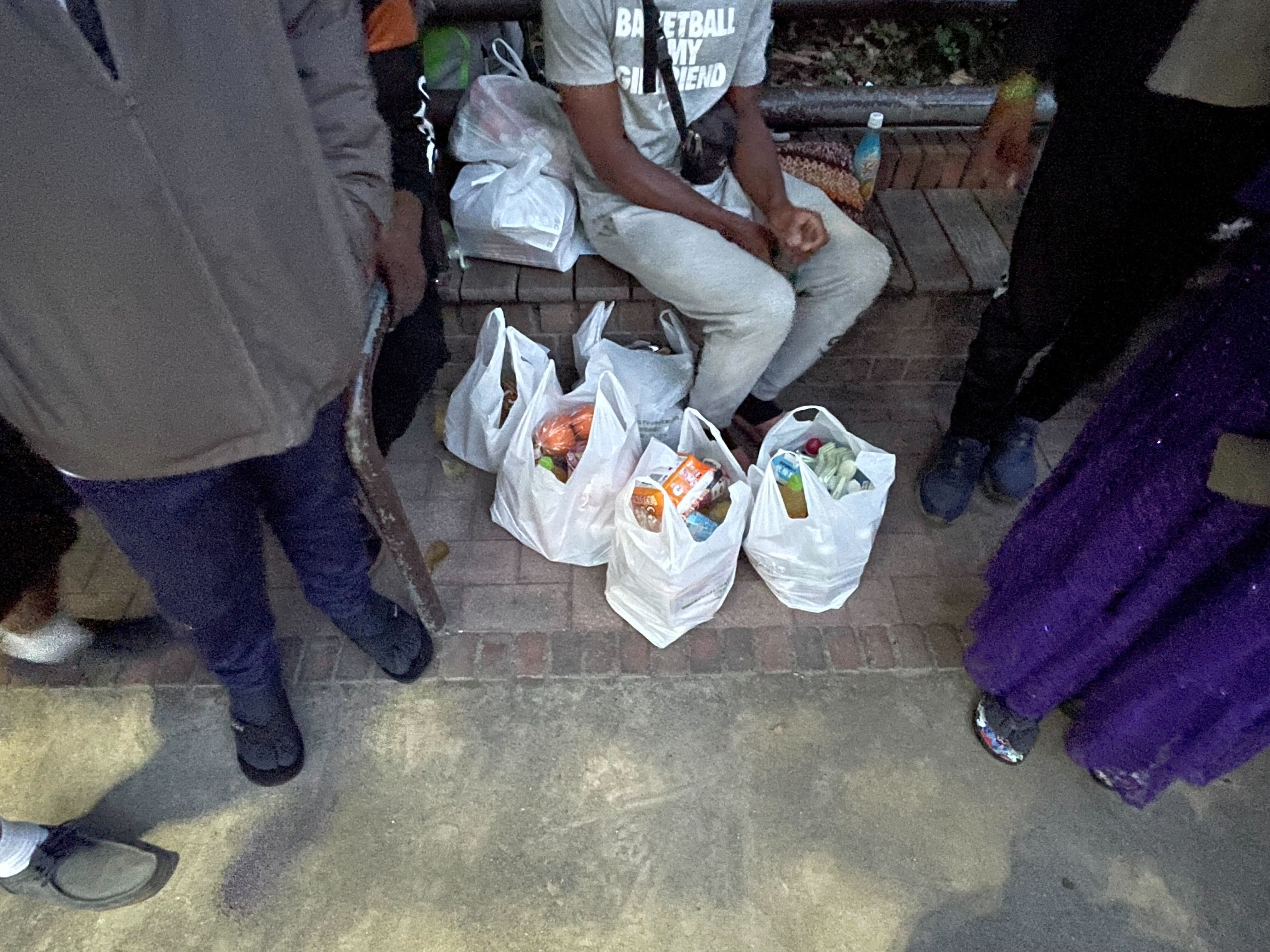
For people facing particular hardship, we provide food, daily necessities, and other essential supplies. Where needed, we also offer temporary shelter and basic online Japanese lessons to help reduce isolation.
Through this support, we aim to uphold each person’s dignity and help them develop their potential as they work towards the future they envision.
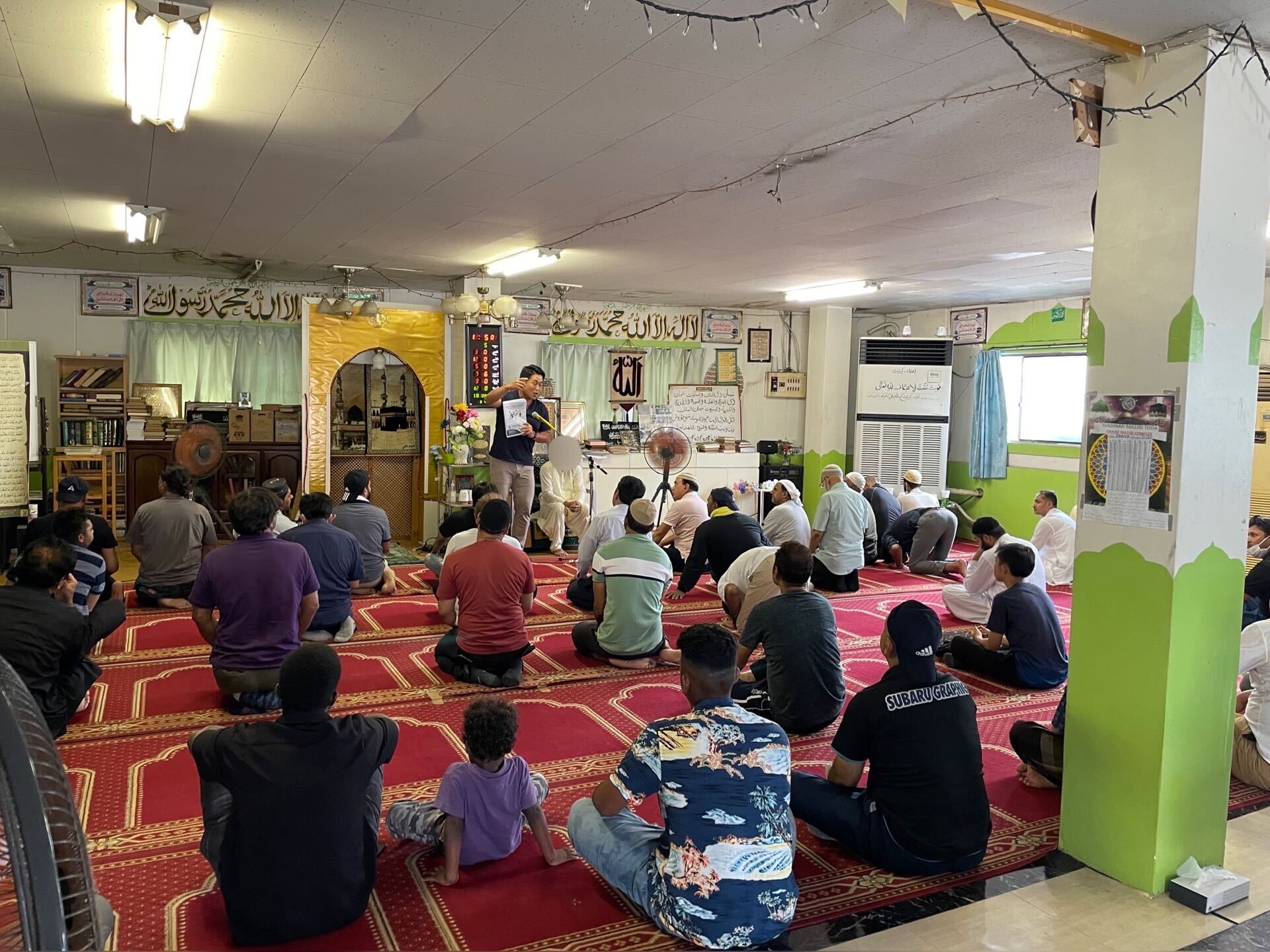
Events to Promote Cross-Cultural Understanding and Inclusive Communities
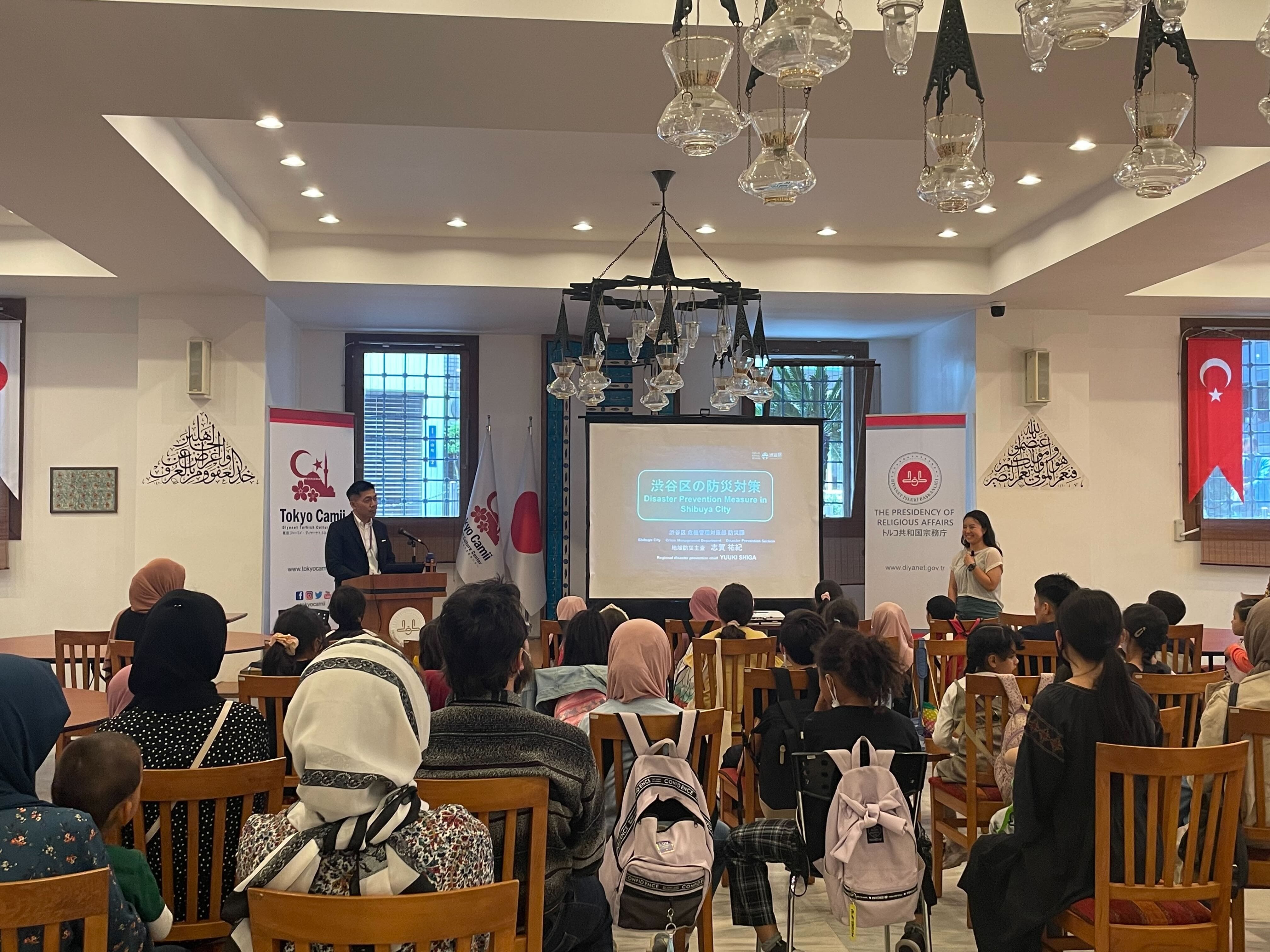
Primarily in Saga Prefecture, where we have a regional branch, we organize events that enable local Japanese residents to learn about and experience other cultures. We also create opportunities for foreign residents to learn about Japanese culture and customs and connect with Japanese members of their communities.
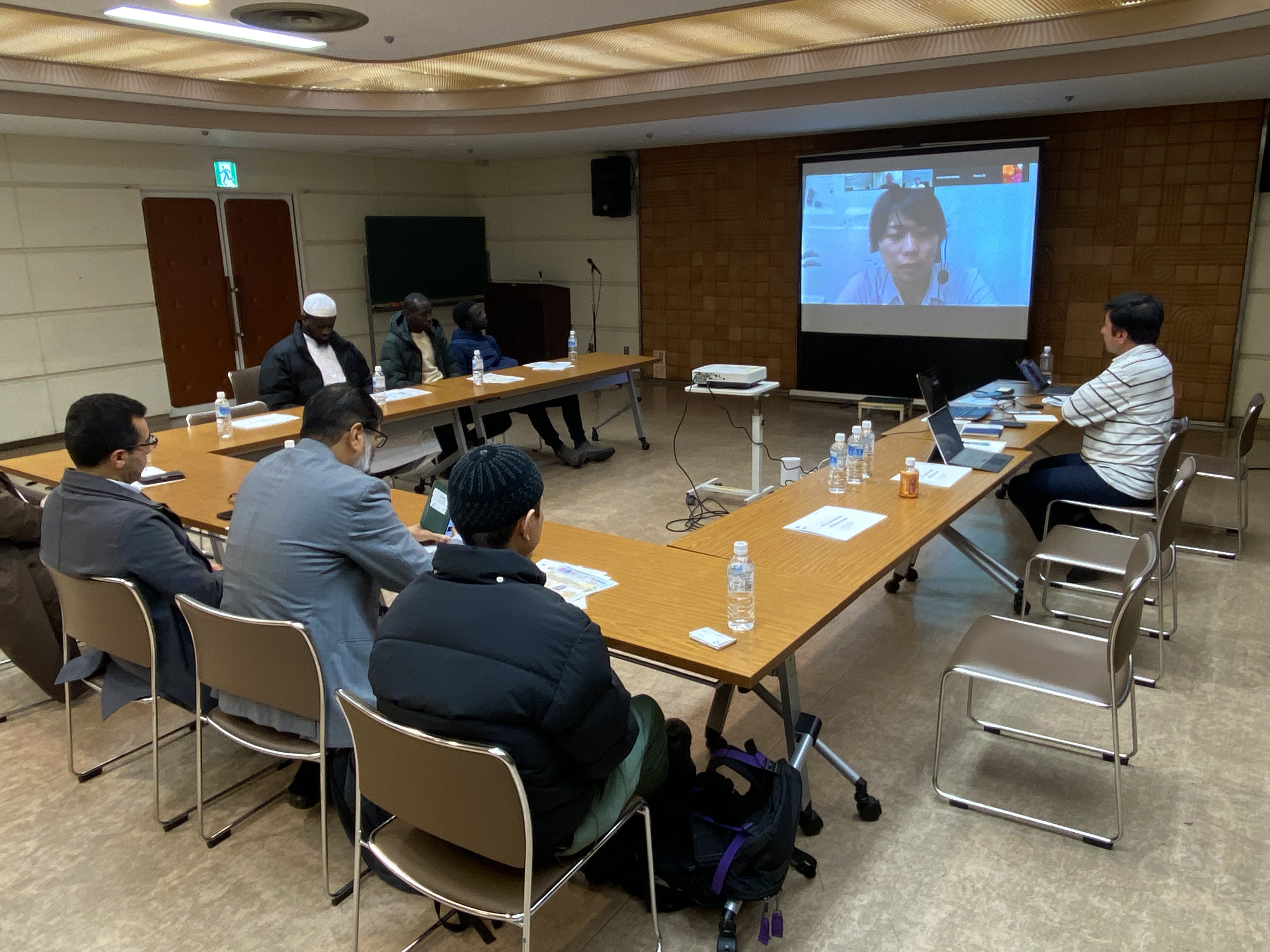
Dialogue Forums Led by Foreign Residents
Exclusionary rhetoric, including one-sided criticism of foreign residents, has increasingly circulated on social media and other platforms. As Japan’s population ages and its birth rate declines, building a society in which people of different backgrounds can live together is an increasingly important task that calls for constructive discussion.
Through our work, we have seen that differences in culture and values can sometimes create friction. At the same time, many foreign residents have adapted to life in Japan with respect for the society around them. These experiences often receive little attention amid the focus on more extreme views.
We therefore work with foreign residents who are concerned about public discourse on these issues to convene forums where they can share their perspectives and explore ways to build a more inclusive society.
Support for Foreign Nationals During and After Imprisonment
The number of foreign nationals held in correctional facilities in Japan has gradually increased since 2022. According to the Ministry of Justice, there were 2,761 foreign nationals in these facilities at the end of 2024, accounting for 6.6% of the total population in custody.
We support foreign nationals during and after imprisonment as they work to rebuild their lives, whether in Japan or overseas. During their time in custody, our activities focus on correspondence and helping them maintain contact with family members in their home countries. After release, we also provide support towards independent living for those who, for various reasons, have no option but to remain in Japan.
Our Partners
We work alongside numerous partners to achieve the greatest impact.