





Our Work in Yemen
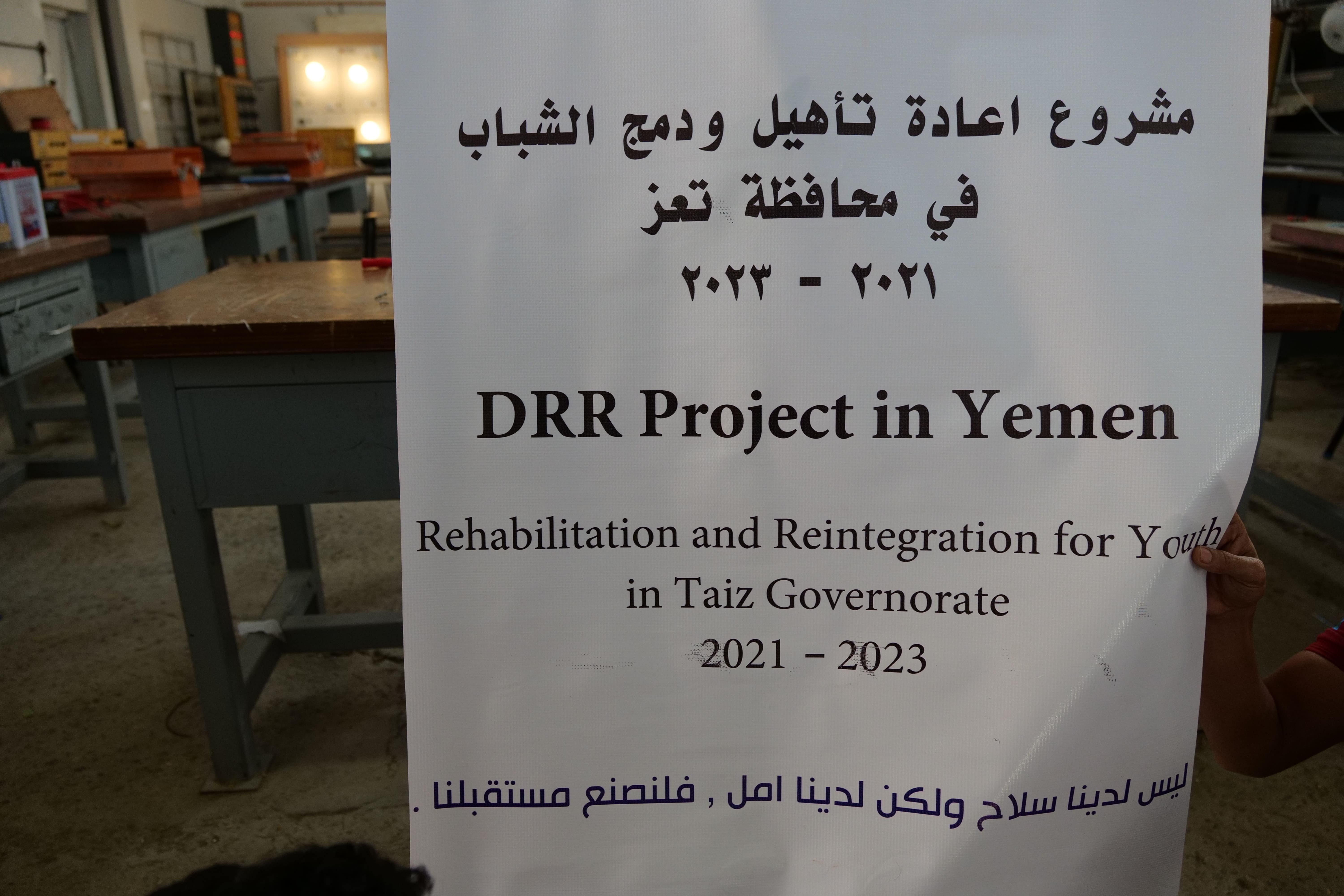
We provide rehabilitation and social reintegration support to young people formerly associated with the Houthis, who have been held for prolonged periods as detainees, as well as to individuals who have experienced arbitrary detention by the Houthis. In addition, we work to facilitate negotiations for the release of detainees and provide support to victims and communities affected by the conflict. Through these efforts, we aim to contribute to breaking cycles of violence and mistrust in Yemen.
Our main areas of activity are Taiz Governorate in the southwest and Ma’rib Governorate in the central region, both of which are frontline areas in the conflict between the Houthis and the Yemeni government. In these locations, we also coordinate with government-run detention and rehabilitation facilities.
1. Expansion of Rehabilitation and Negotiations for Release of Detainees
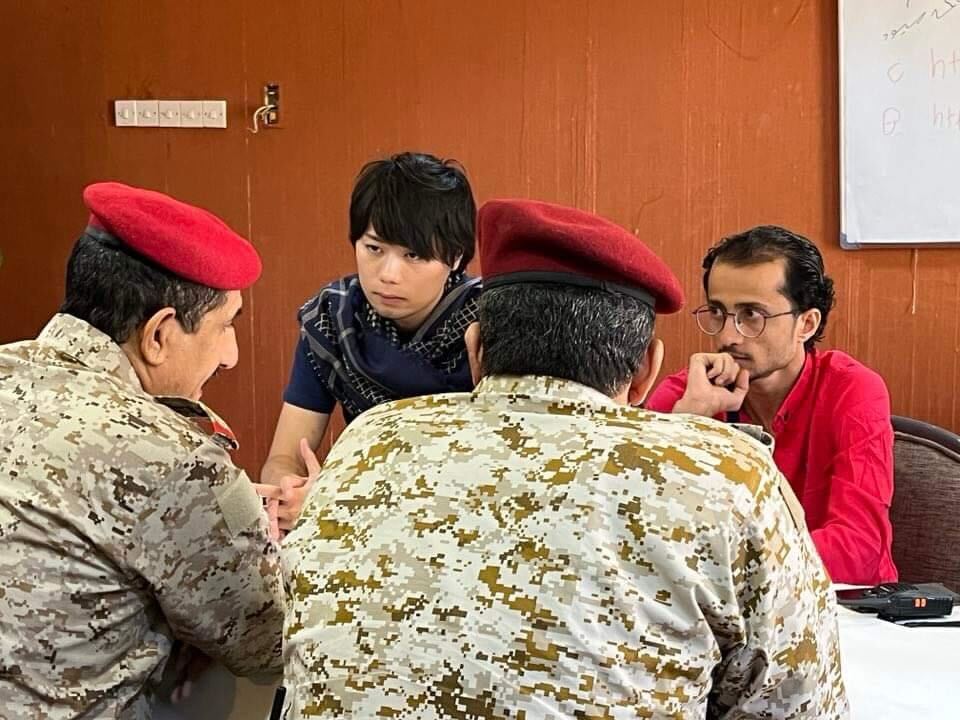
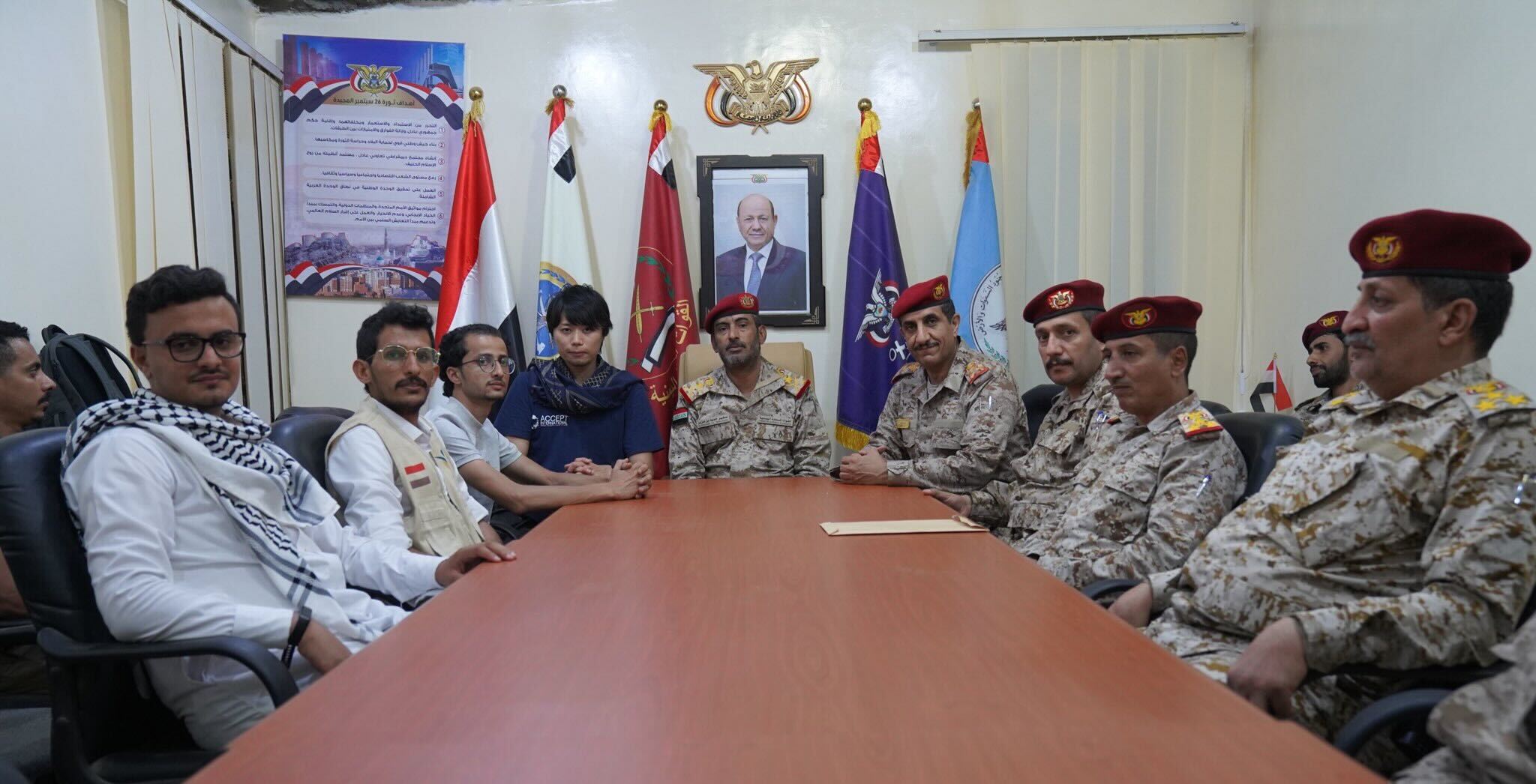
We are engaged in supporting the expansion of rehabilitation programmes and facilitating negotiations for the release of detainees held in the context of the conflict between the Houthis and the internationally recognized Government of Yemen. This includes individuals detained by both parties as part of prisoner exchange arrangements, in which we participate in negotiation processes.
A key challenge of these arrangements is the risk that individuals may return to armed activity if they are released without adequate rehabilitation and reintegration support. Therefore, we advocate for and support a process in which all detainees receive rehabilitation and social reintegration assistance prior to release, enabling them to make informed choices about their future pathways.
Unlike criminal detainees serving defined sentences, conflict-related detainees are often held for indefinite periods. This contributes to overcrowding in detention facilities and uncertainty regarding future reintegration. We therefore also work to facilitate the release of young detainees who have completed rehabilitation programmes.
2. Rehabilitation and Social Reintegration Support
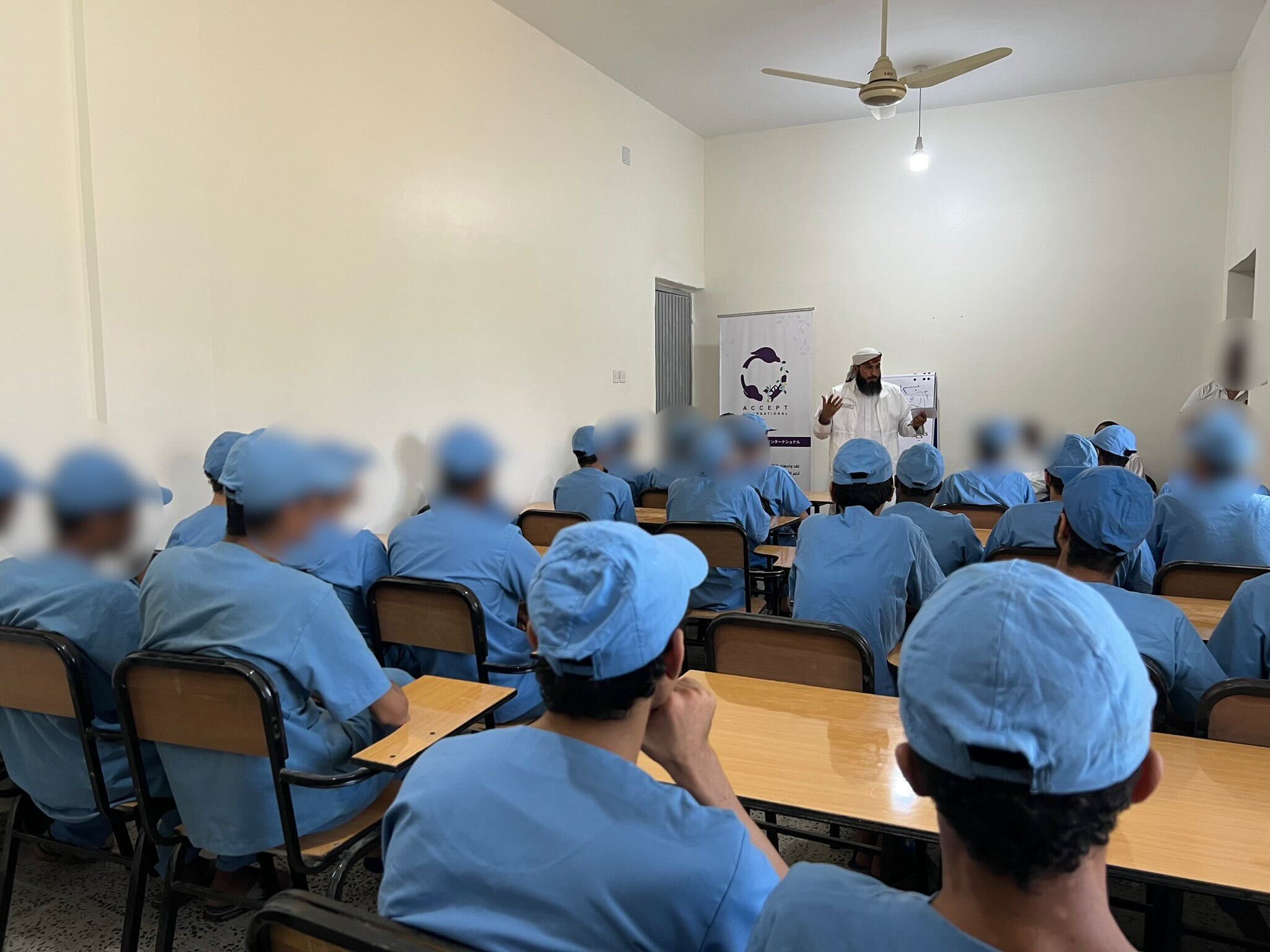
We provide rehabilitation and social reintegration support to young former combatants held in special detention centers, as well as to individuals who have been arbitrarily detained in the context of the conflict.
Our aim is to empower individuals affected by conflict to become agents of peace within their communities. Our main programmes include:
Psychosocial Support and Counselling
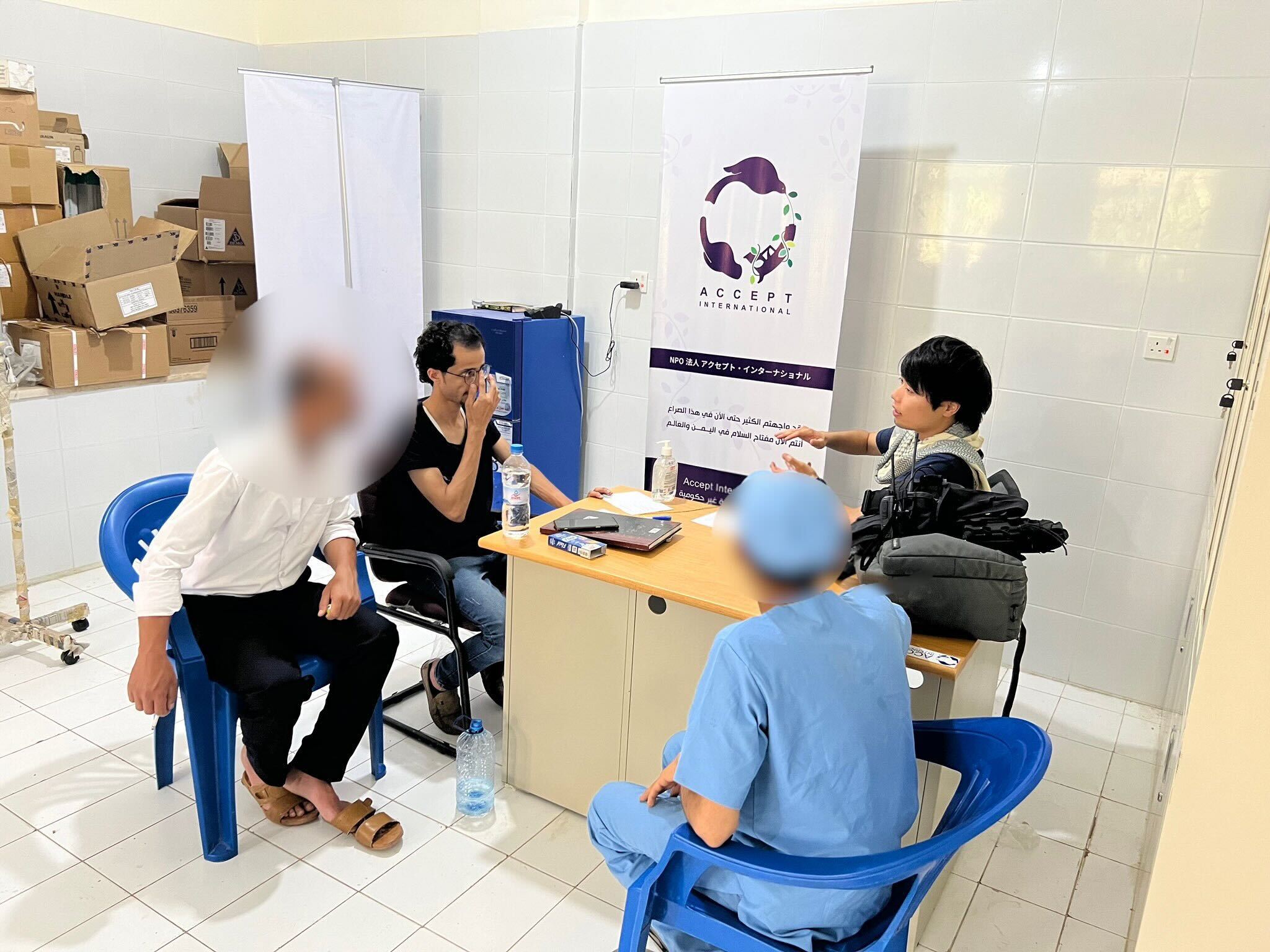
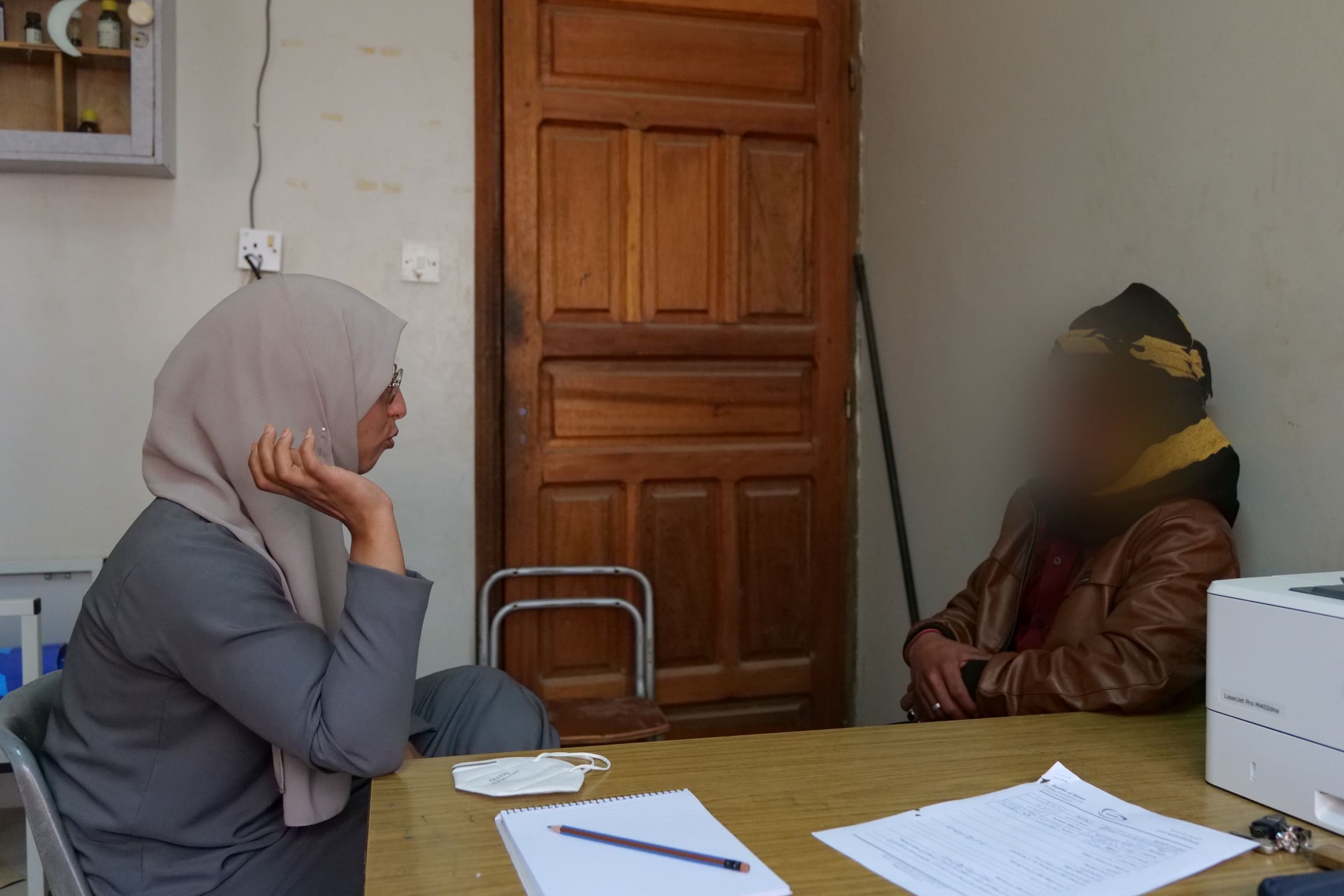
We provide counselling services to help individuals process their experiences, identify personal challenges, and explore constructive, non-violent pathways forward. Given that many individuals have experienced prolonged detention or forced recruitment, psychosocial care is essential in helping them rebuild their sense of purpose and outlook for the future.
Vocational Training and Life Skills Development
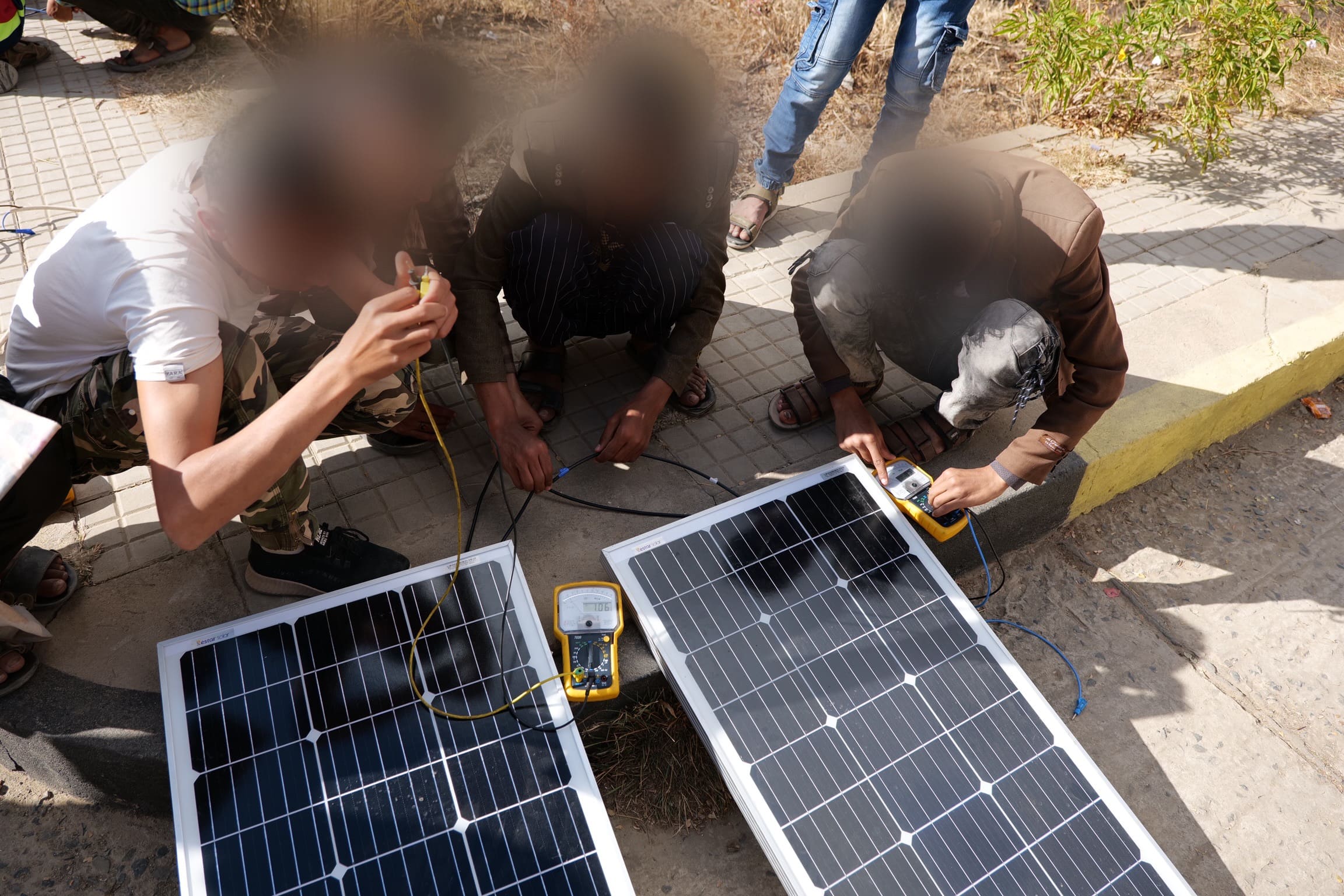
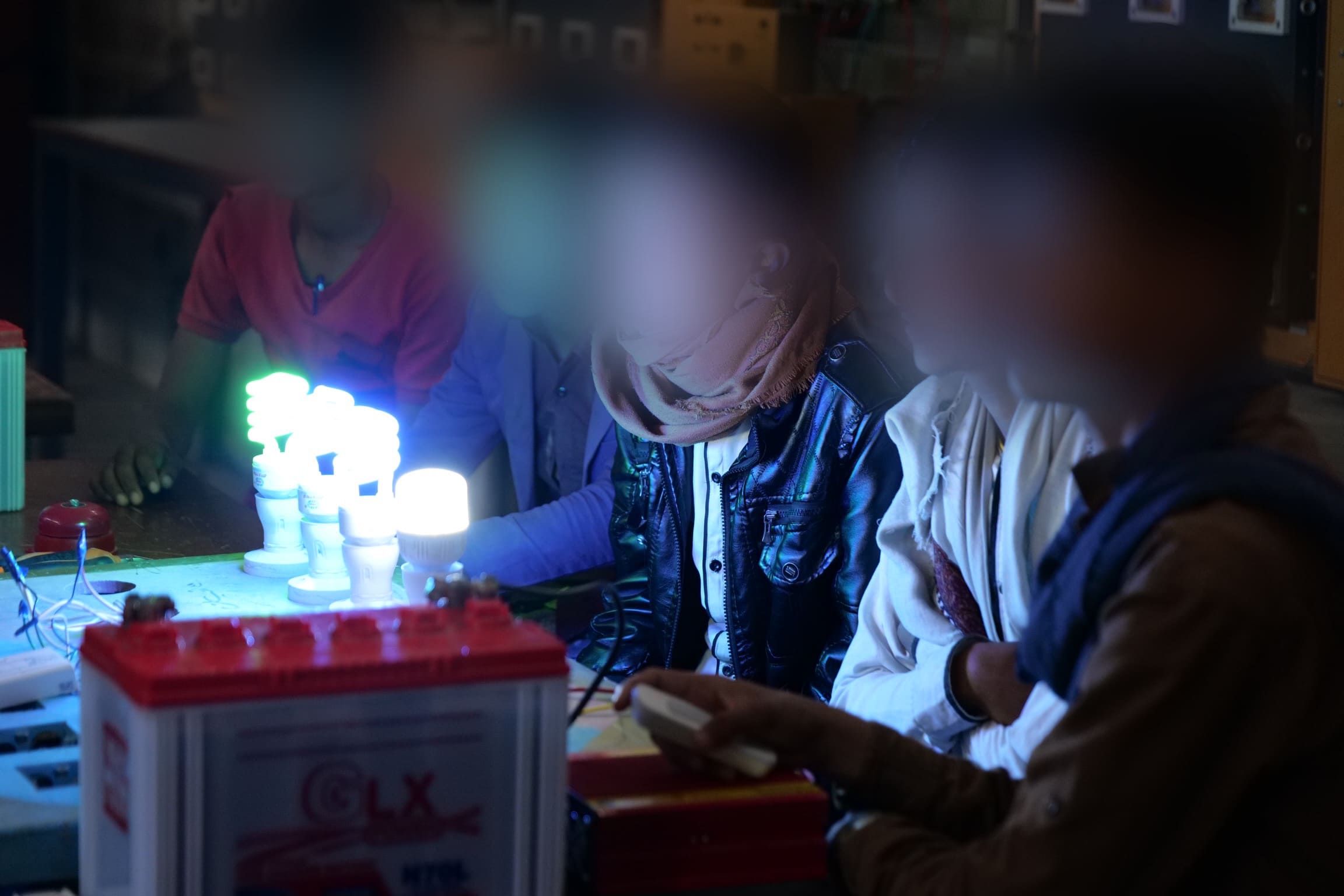
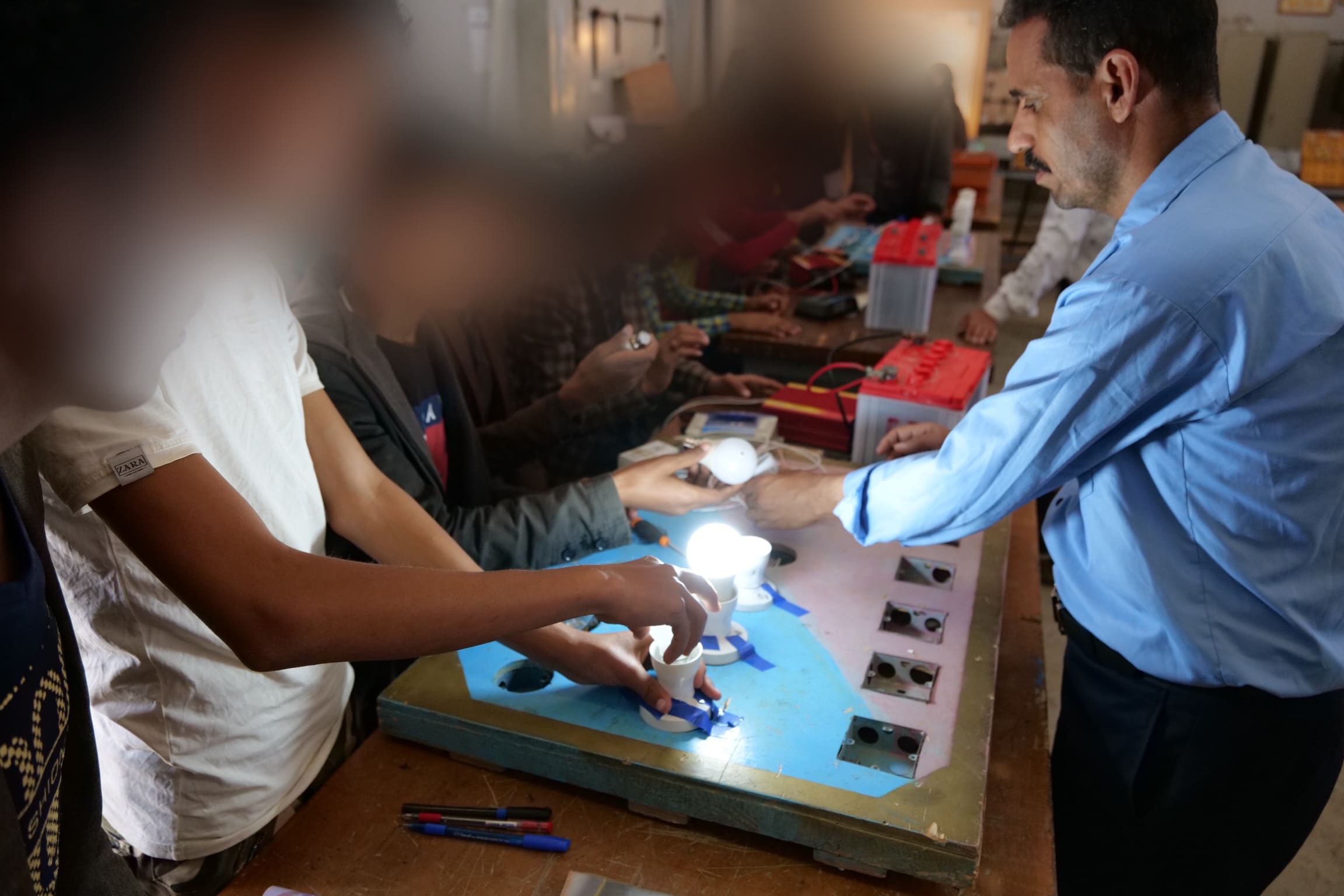
We provide training aimed at enhancing income-generating opportunities, including solar panel installation and maintenance, vehicle and motorcycle repair, and tailoring. These are complemented by life skills training that supports participants in applying these skills in real-life contexts.
Basic Education
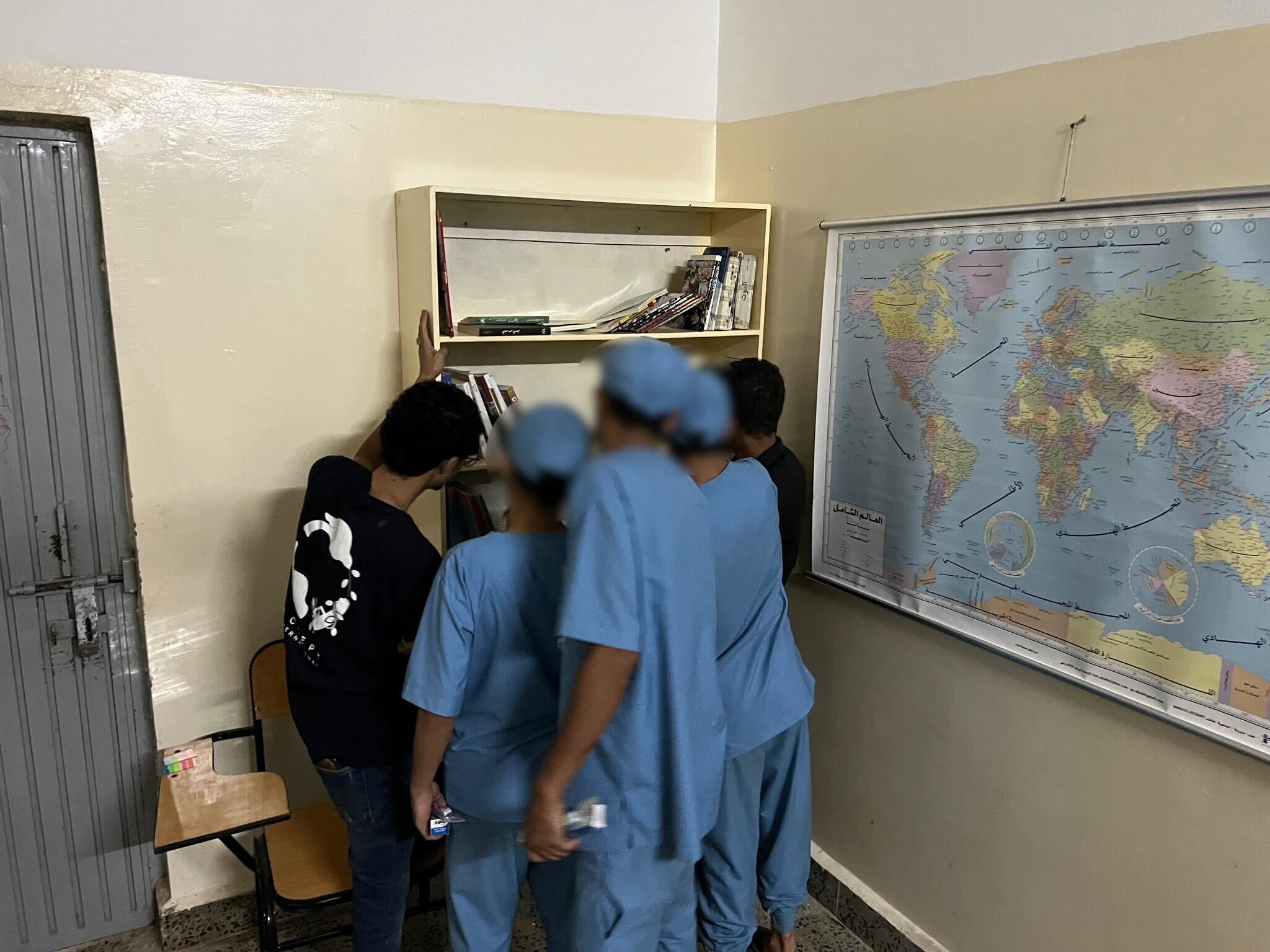
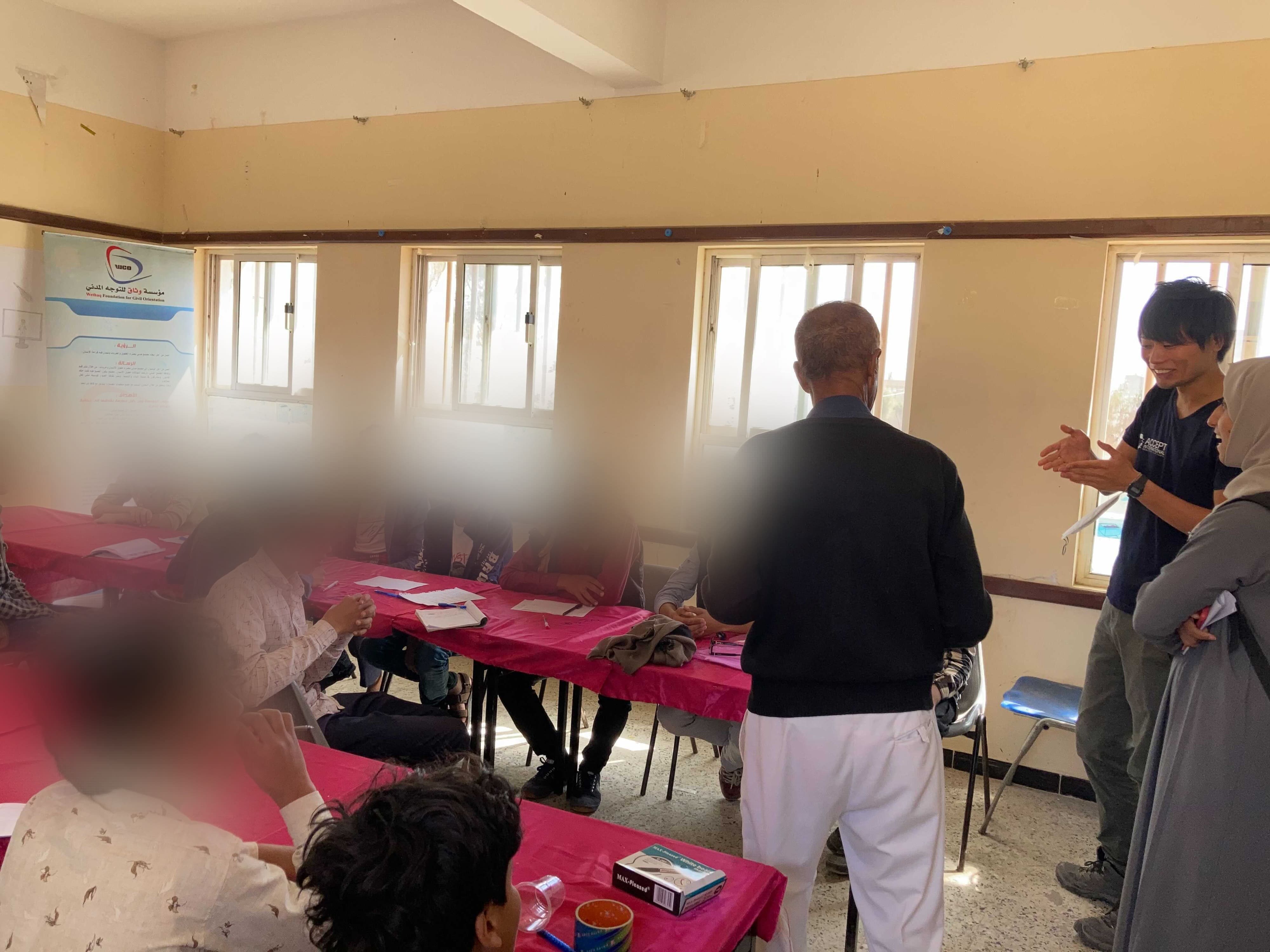
We offer weekly classes in Arabic literacy and English. In some cases, former teachers among detainees are engaged as peer educators, allowing them to contribute positively to the learning environment.
Future Preparedness Sessions
These sessions address the challenges individuals may face after release, including social stigma and limited employment opportunities. Participants are encouraged to anticipate these challenges and collectively explore coping strategies and practical solutions.
Religious Dialogue and Critical Reflection Seminars
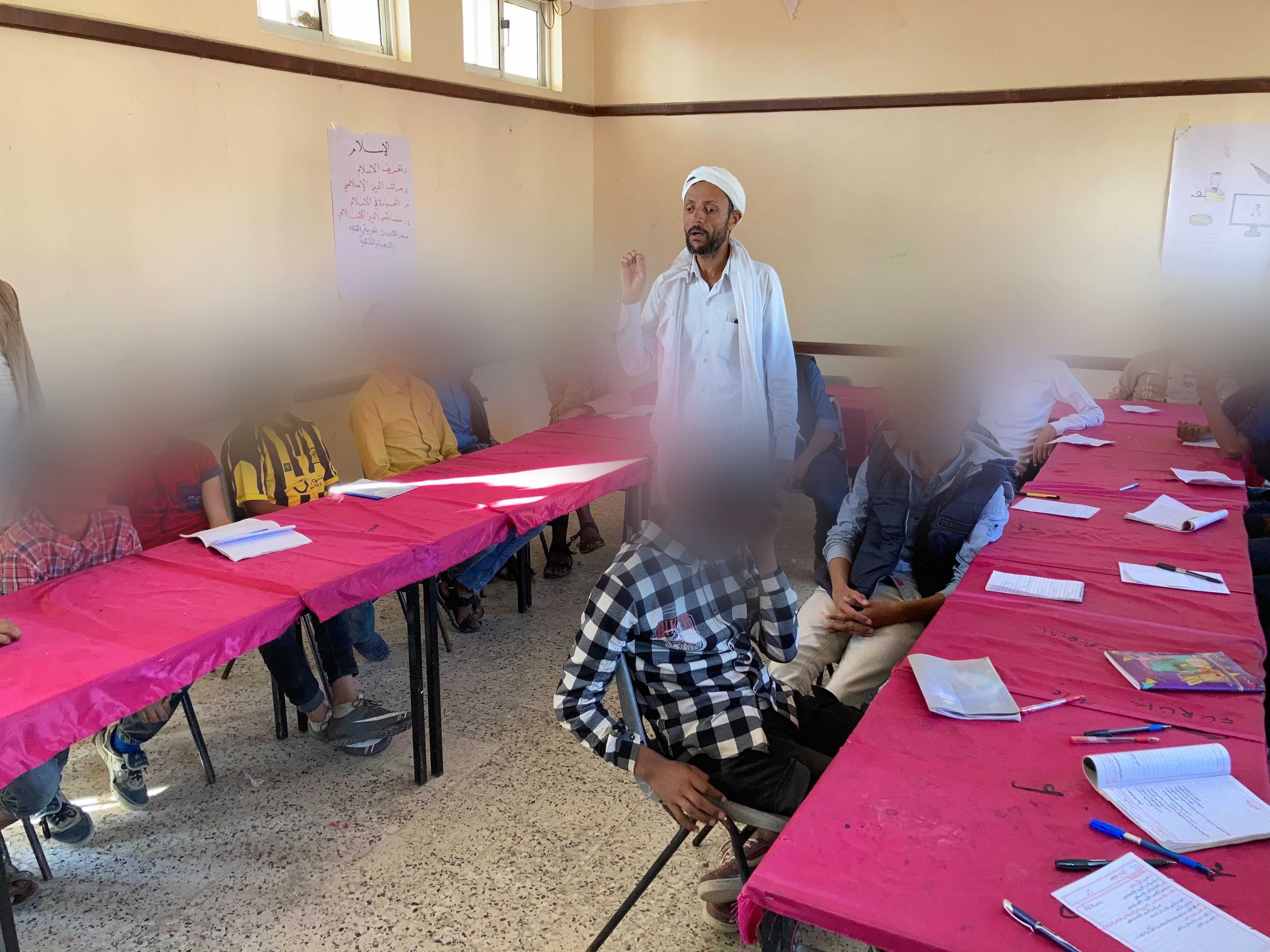
In collaboration with Islamic scholars, we conduct dialogue-based sessions on themes such as reconciliation, forgiveness, justice, and peace, drawing on religious texts. These sessions aim to promote critical thinking and broaden perspectives on coexistence and social harmony.
Reintegration Support and Long-Term Follow-Up
We support the identification of guarantors where necessary and maintain follow-up support after programme completion to facilitate sustainable reintegration.
Detention Facility Improvement Support
To strengthen rehabilitation efforts, we support improvements to detention centers, including the expansion of vocational training halls and living spaces, installation of audio systems to extend access to educational sessions, and provision of books and learning materials. We also support improvements in hygiene conditions through the distribution of basic supplies such as soap, shampoo, toothbrushes, and other essential items.
In addition, we have supported the development of agricultural plots outside detention centers to improve dietary diversity and nutrition. Although detainees are generally not permitted to leave the facilities, we have advocated for and secured limited participation in agricultural activities.
These improvements contribute to better mental health outcomes, the restoration of dignity, and the fostering of a more positive outlook toward reintegration.
3. Support for Conflict-Affected Populations
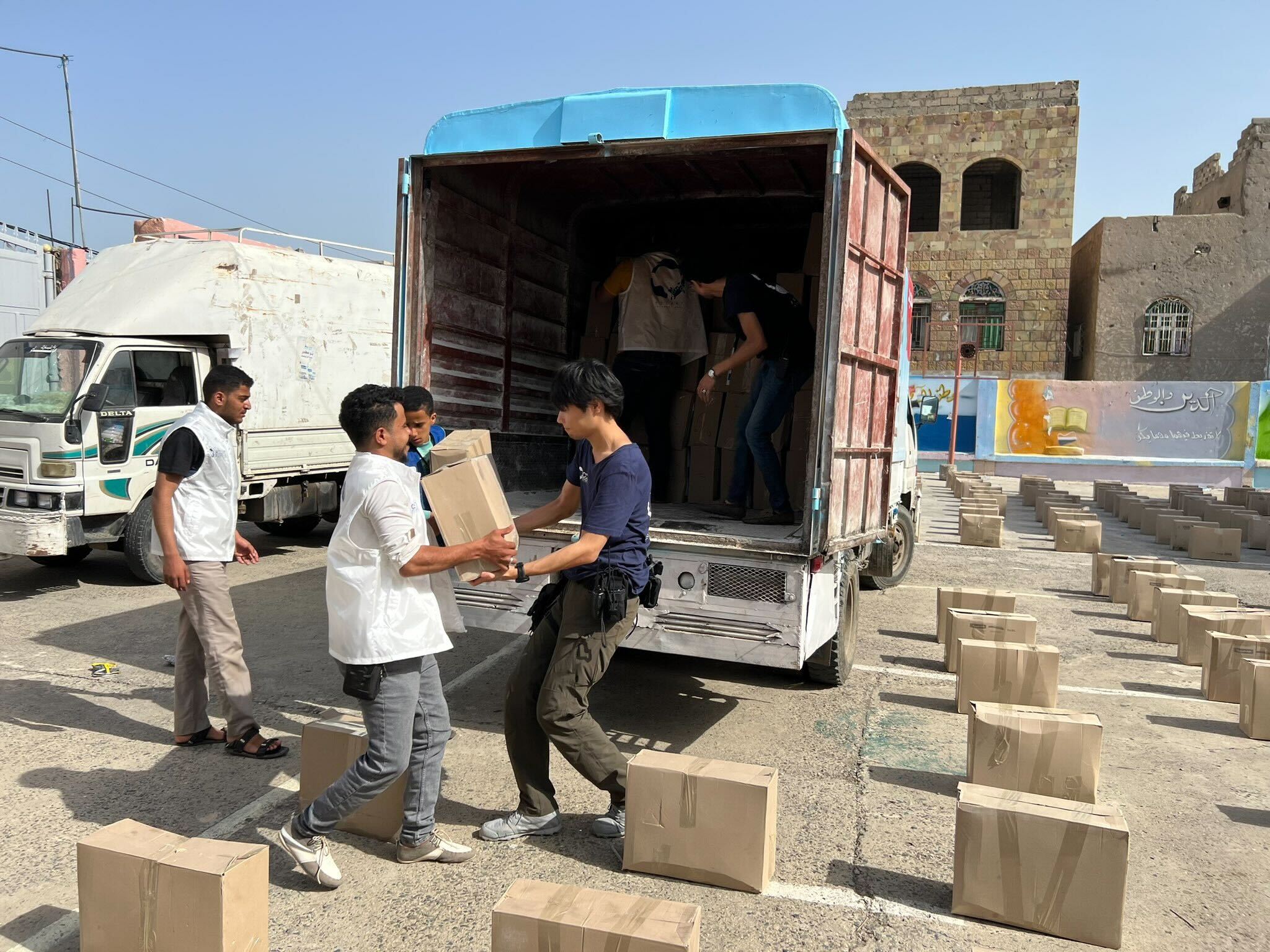
We provide humanitarian assistance to internally displaced persons and individuals affected by arbitrary detention in areas under the control or influence of parties to the conflict. This includes food assistance, cash transfers, psychosocial support, emergency education for children, and vocational and life skills training for income generation.
We also create opportunities for former combatants who have disengaged from armed groups to participate in these programmes, contributing to social cohesion and community-level reconciliation.