





Advancing International Norms
Advocacy and Policy Engagement at Multilateral Forums
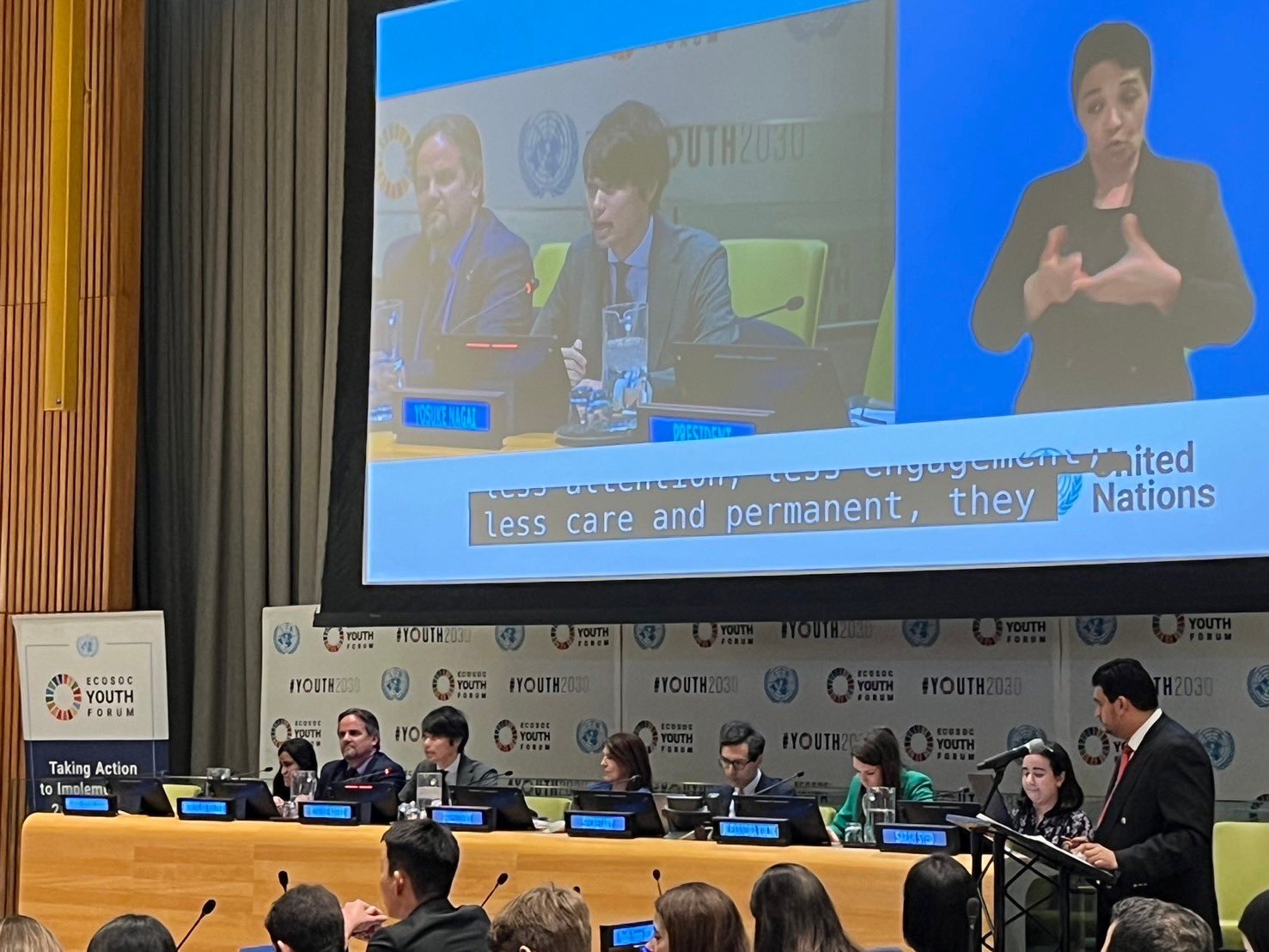
We work with a wide range of stakeholders and conduct advocacy to advance international norms, including the adoption of relevant resolutions by relevant United Nations council. Through these efforts, we seek to raise international awareness of YANSAG, as well as their rights and empowerment, while further strengthening our work on the ground.
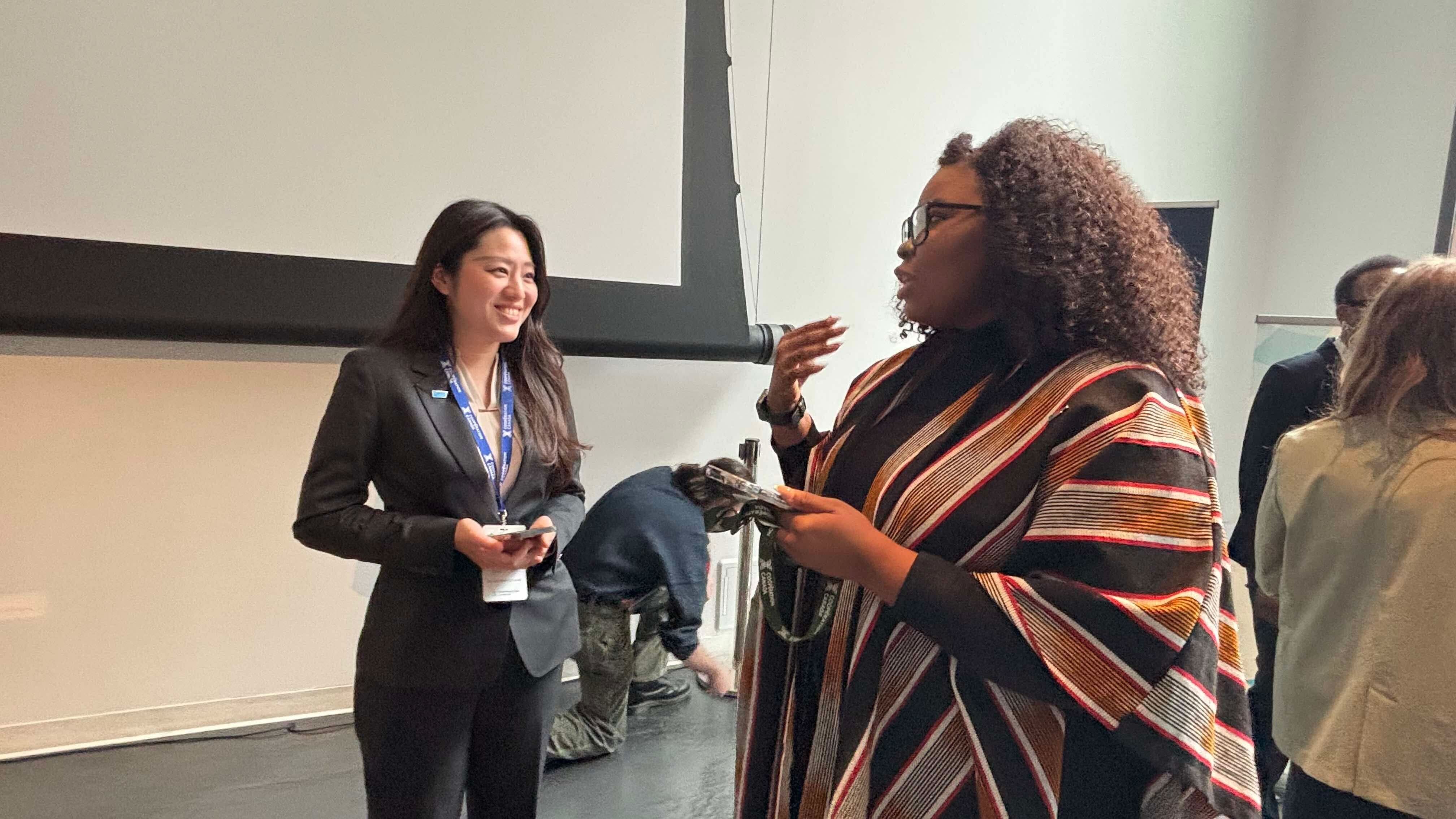
We also organize international conferences and symposiums to provide space for dialogue from a wide range of perspectives. These events bring together government representatives from various countries, United Nations agencies, experts, practitioners, and other relevant stakeholders. They also create opportunities for YANSAG themselves and victims and survivors of armed conflcit to participate. Through these forums, YANSAG can share their experiences as individuals directly affected by armed conflict, express their hopes for peace, and actively contribute to peacebuilding.
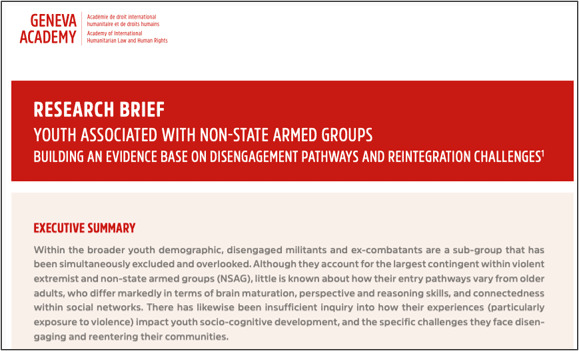
In addition, we engage in ongoing policy advocacy by participating in international conferences, including those convened by the United Nations, submitting statements, issuing policy papers on YANSAG to G7 and G20 member governments, and publishing policy research.
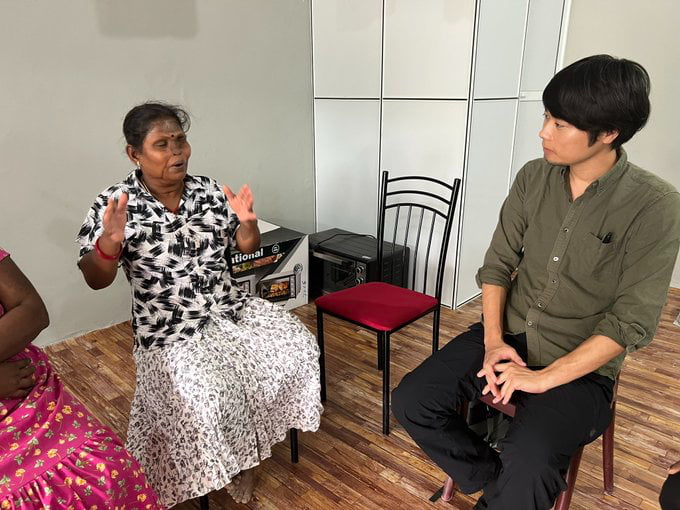
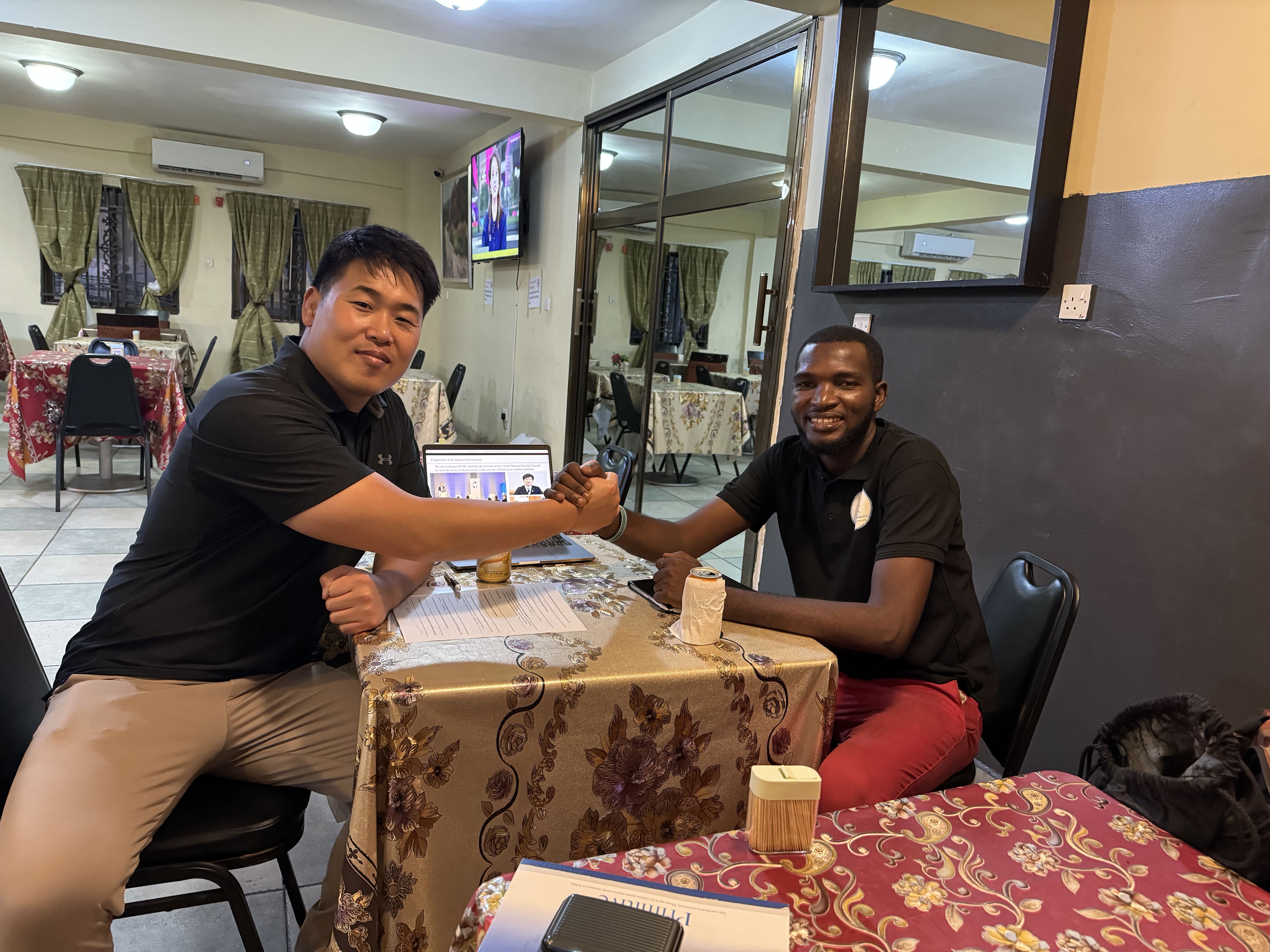
Drawing on the networks we have built and our longstanding engagement with YANSAG, we also collect testimonies from individuals around the world. This work helps us understand their circumstances, the challenges they face, their potential to become Agents of Peace, and the support they need to do so. Having experienced armed conflict firsthand, they carry powerful messages for those who remain involved in armed groups and for the international community. We listen to their voices and bring them to the attention of the wider world."
Launch and Operation of the Global Taskforce for Youth Combatants (GTY)
We established the Global Taskforce for Youth Combatants (GTY), to lead international efforts to generate concrete discussion on the development of international norms concerning the rights and empowerment of YANSAG.
Together with YANSAG from different countries and regions, experts and practitioners in relevant fields, and victims and survivors of armed conflict, GTY conducts global awareness raising activities. It also collects testimonies from YANSAG around the world, publishes blog posts in which they share their experiences and hopes for peace, and organizes international conferences.
GTY also provides grants to grassroots projects supporting YANSAG in different parts of the world, as well as initiatives led by people with direct experience of armed conflict.
Prominent experts and policymakers from around the world serve as members of the GTY Advisory Board.
Visit the GTY website: https://gt4y.org/
Development and Delivery of Empowerment Programs for YANSAG as Agents of Peace
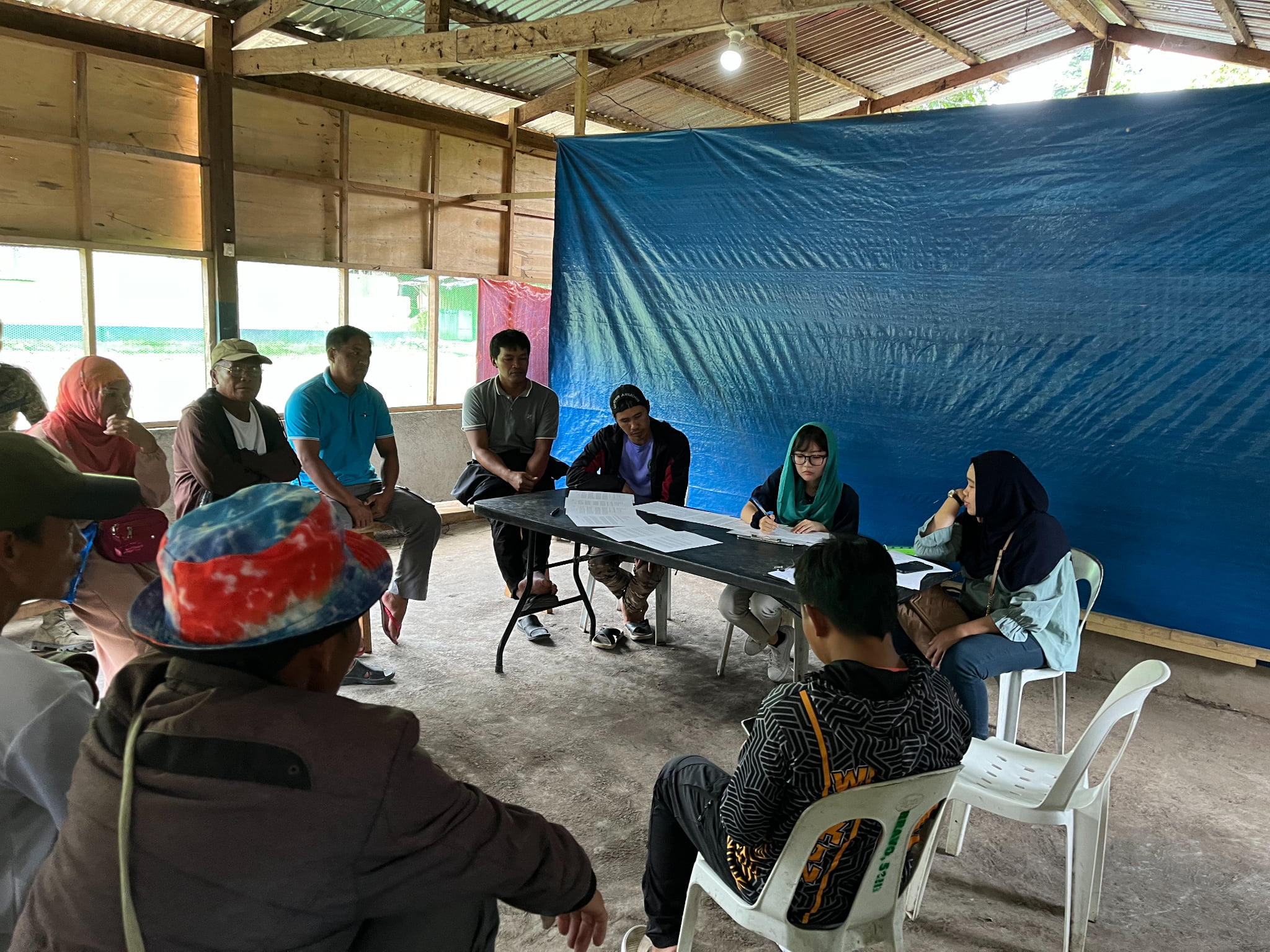
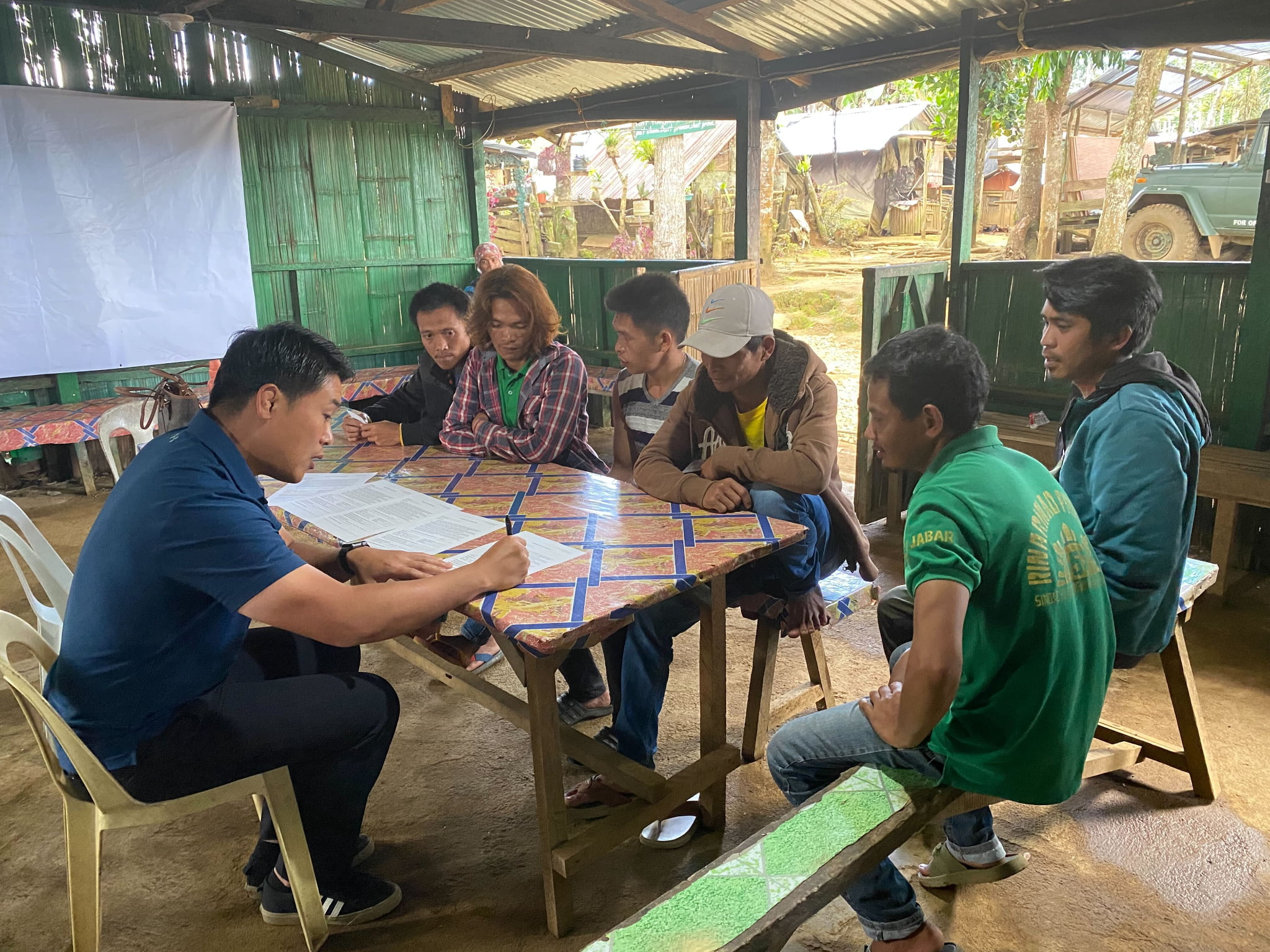
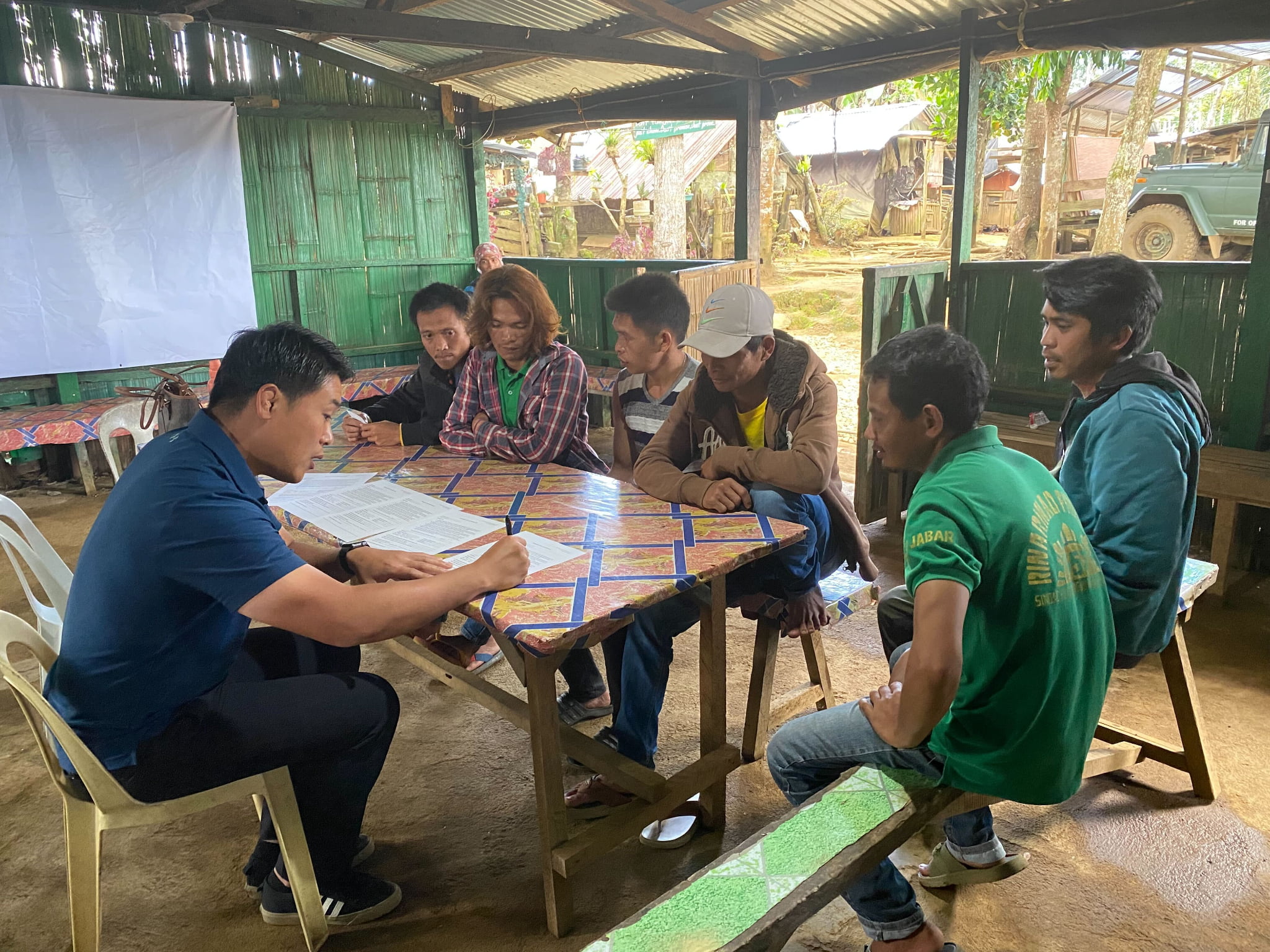
Drawing on testimonies collected through interviews with YANSAG and the knowledge we have gained through years of work on the front lines, we analyze the distinct challenges and needs they face in becoming Agents of Peace within their countries and local communities. Based on this analysis, we develop and deliver comprehensive empowerment programs tailored to those needs.
We implement flexible programs suited to local circumstances and environments, including prisons and reintegration camps. These programs are carried out in partnership with educational institutions and specialist organizations that provide skills development and other forms of empowerment support.