





July 2026
My name is Amgad, and I serve as Accept International’s Country Director in Yemen. I am writing from Yemen.
In light of the recent situation in Iran, Yemen continues to face extremely difficult circumstances. Despite these challenges, we remain fully committed to our work so that those who have been left behind can live in peace.
I hope you will read to the end to learn more about the latest situation and our project updates on the ground.
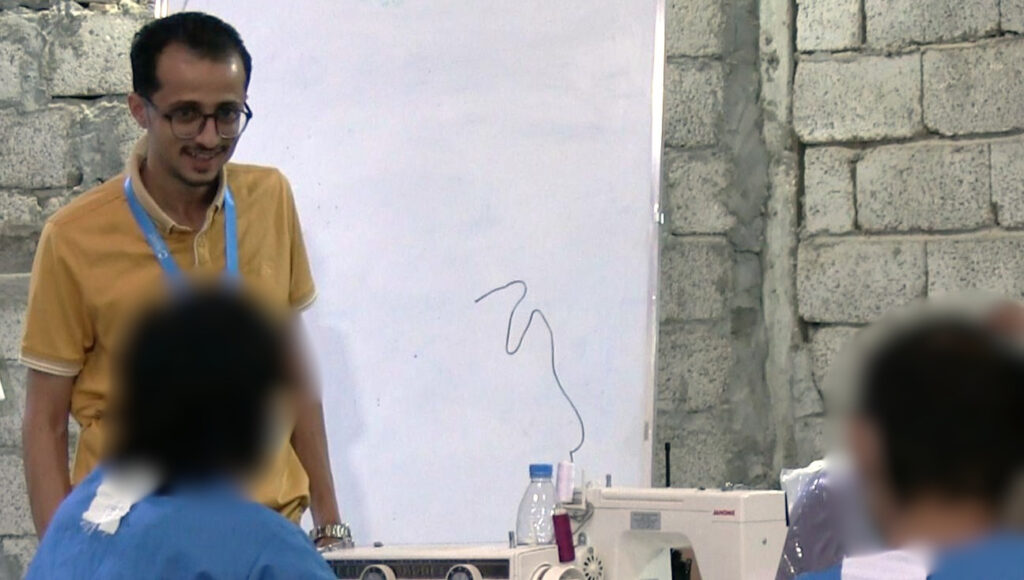
▲ Amgad, Accept International’s Country Director in Yemen
The Meaning of Rehabilitation and Prisoner Exchanges
Since 2021, we have been supporting people who became involved in armed conflict as members of the Houthis and were subsequently detained by the government.
To help them break free from cycles of hatred and build peaceful lives, we provide rehabilitation and reintegration programmes, including care counselling, basic education, vocational training, and religious re-education.
Through this support, even those who once took up arms have gradually come to see themselves as people who can help build peace in Yemen. They now tell us, “We are the ones who can become agents of peace in Yemen.”
of peace in Yemen.”
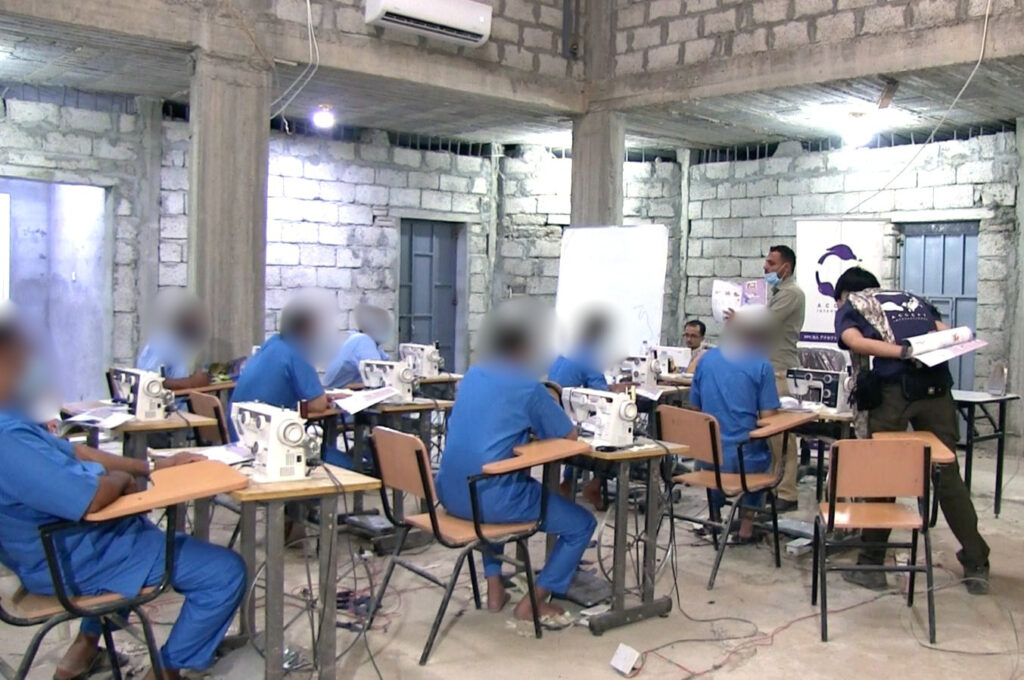
▲ Vocational training
At the same time, another major part of our work is engaging and negotiating with the government to support their rehabilitation and reintegration into society.
In Yemen, there is an established framework for the release and exchange of Houthi prisoners held by the government and prisoners affiliated with the government who are held by the Houthis.
However, simply exchanging prisoners carries the risk that they may return to the fighting. What matters most to us, therefore, is to ensure that these young people are able to return to the place where they wish to live.
For example, if someone says, “I want to live in an area under government control,” we negotiate with the government to make that possible. If someone wishes to return to a Houthi-controlled area, we first engage with them to help ensure that they do not become involved in the conflict again before they are released.
One of the points of contention surrounding this prisoner exchange is whether the young people we have been supporting will be included.
After persistent negotiations, we were able to reach an agreement for those we support to be included in the large-scale prisoner exchange scheduled for 11 July this year.
When the prisoners heard that they would be released, they were filled with hope.
“I want to return to my hometown, get married, and live a happy life.”
“I just want to live a peaceful everyday life with my family.”
“I want to use the skills I gained through vocational training to start my own business.”
They shared these hopes with us one after another.
Some also told us that they wanted to move with their families away from Houthi-controlled areas so that neither they nor their family members would ever be forced to go to the front line again.
How the Situation in Iran Is Affecting the Negotiations
However, on the night before 11 July, when the release and prisoner exchange were supposed to take place, we suddenly received a request to postpone them.
There were several reasons behind this, one of which involved a dispute over the return of the Houthi delegation from Iran to Yemen. At the time, the delegation had been attending the funeral of Ayatollah Khamenei, Iran’s former Supreme Leader. As the armed clashes intensified, disagreements arose over how the delegation should return to Yemen.
The government side then attacked the Yemeni airport where the Houthi delegation was expected to land. The stated reason was that weapons supplied by Iran to the Houthis were believed to be on board the aircraft.
I was deeply disappointed and discouraged by what had happened.
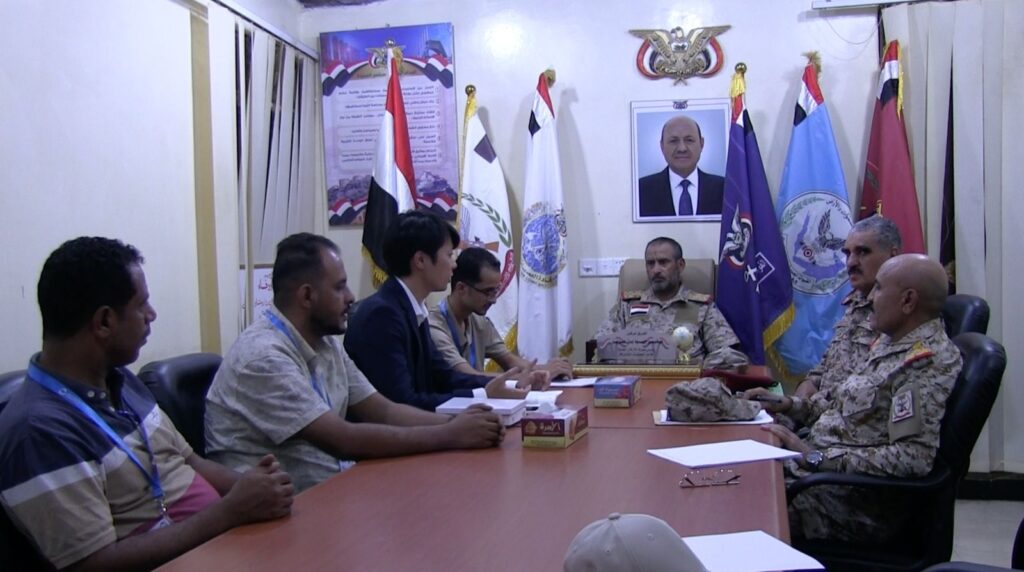
▲ Receiving news from the Yemeni government delegation
that the prisoner exchange had been postponed
The prisoners who heard that the exchange had been postponed also suddenly lost the sense of hope they had been holding on to. Many of them became deeply discouraged, saying, “Maybe we will never be able to leave this detention center and will have to stay here for years.”
Then, the situation took an even more tragic turn.
One of the prisoners took his own life after learning that the prisoner exchange had been postponed.
Given that suicide is prohibited in Islam, this was also deeply shocking to me. I felt as though everything had gone dark, and I was heartbroken.
He had been working very hard to take part in the rehabilitation and reintegration programme. Even so, I could not understand why this had happened. No matter how much I thought about it, I could not find an answer. It was an extremely painful experience.
And everyone in the detention center was affected in the same way.
They were deeply disappointed and began saying things such as:
“What is the point of continuing the rehabilitation and reintegration programme if we are never going to be released?”
“No one cares about us.”
“We’re as good as dead already.”
“If we have to live in such a miserable situation, it would be better to die.”
“We do not need support from Accept International anymore. We just want to be free. We want to get out of this detention center.”
I immediately responded to their feelings with sincerity, because I felt it was extremely important for them to regain hope. I also felt that if I did not continue to hold on to hope myself and share that hope with them, they would fall even deeper into despair.
I met with them face to face and listened carefully to each person, without setting a time limit.
Then I told them:
“There is hope.”
“You have spent a very long time here and learned many things.”
“It won’t be long before you can put what you have learned into practice and start a new life in freedom.”
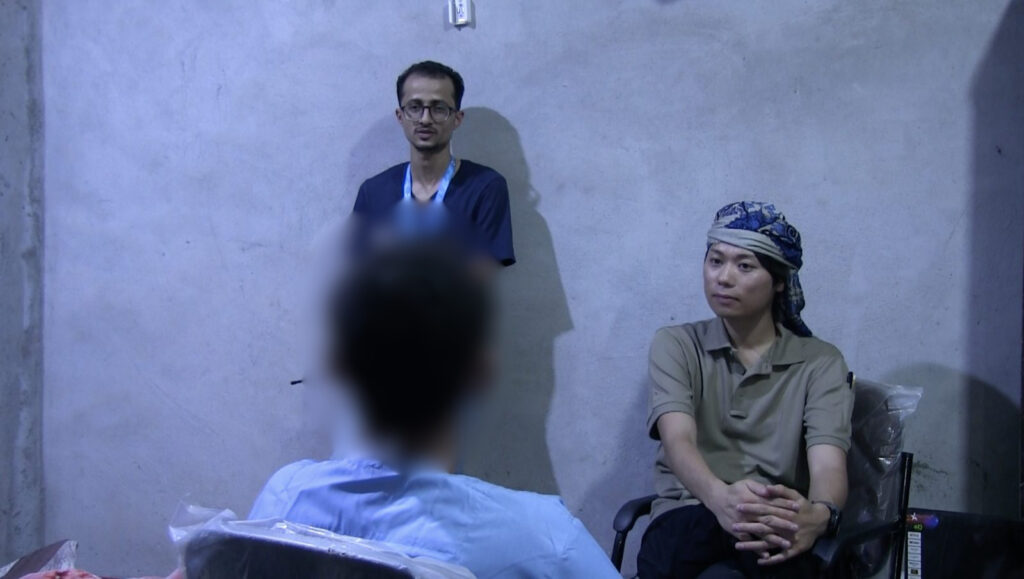
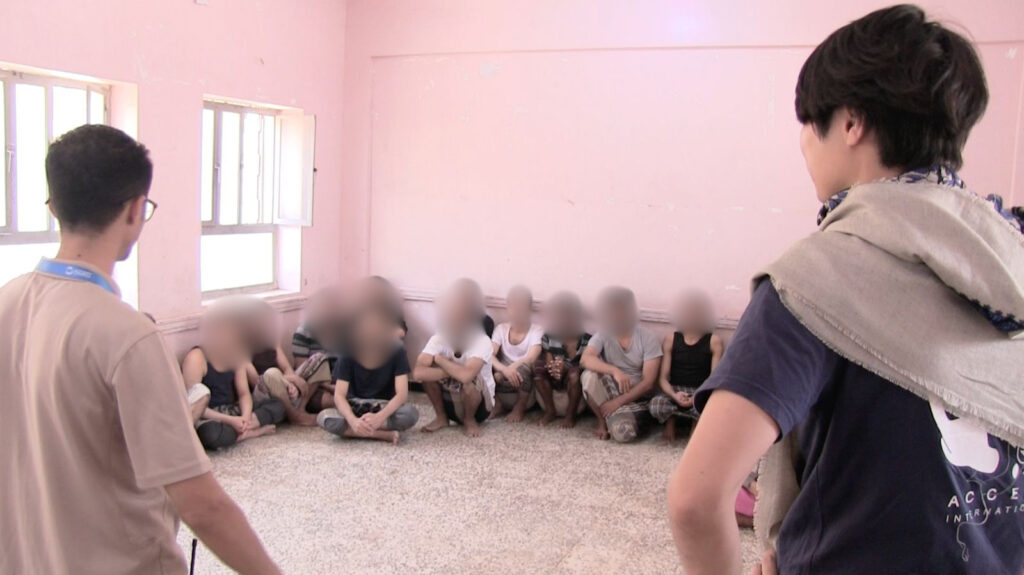
▲ Dialogue with the prisoners
▲ I continued sharing a message of hope with every prisoner
As we continued these conversations, I could see smiles gradually returning to their faces and a renewed sense of optimism emerging.
In fact, one of them said:
“After I am released, I want to continue studying English, build on what I have learned here in the detention center, study abroad, and broaden my horizons.”
There is still no clear prospect for the release and prisoner exchange, but there is absolutely no reason for us to give up here.
I believe that the day will come when they are able to reintegrate into society. I will continue doing everything I can to bring that day even one day closer.
Message to Our Readers
Supporting prisoners in such a sensitive and complex situation is far from easy. I believe it is not something just anyone can do. But if no one is willing to take on this work, then I believe I must.
Addressing the root causes of conflict is essential to achieving peace in Yemen. And to me, that means reaching out to each and every prisoner caught in cycles of violence and hatred, and helping them build a life in peace.
Above all, when I speak with these prisoners, what matters most to me is understanding how they feel and what they need.
What do they dream of? What words do they need to hear?
They are all human beings, just like us. I believe that people have the potential to rebuild their lives.
I will continue to stand alongside those who have been left behind and do everything I can to help bring peace to Yemen.
Until the day comes when everyone can live freely and safely, and Yemen is filled with love and peace, I will not give up on the work that Accept International is committed to pursuing: work that is extremely difficult, yet truly necessary.
For the people of Yemen, and for the children and young people who will shape its future, I am determined to see this work through to the end.
Finally, I want to express my heartfelt gratitude to all our Ambassadors. It is because you believe in our mission and continue to support us so generously that I have been able to carry on this work and help bring about gradual, positive changes in the lives of these young people.
Thank you so much. Let’s continue this journey together, with the same passion and commitment to building peace.
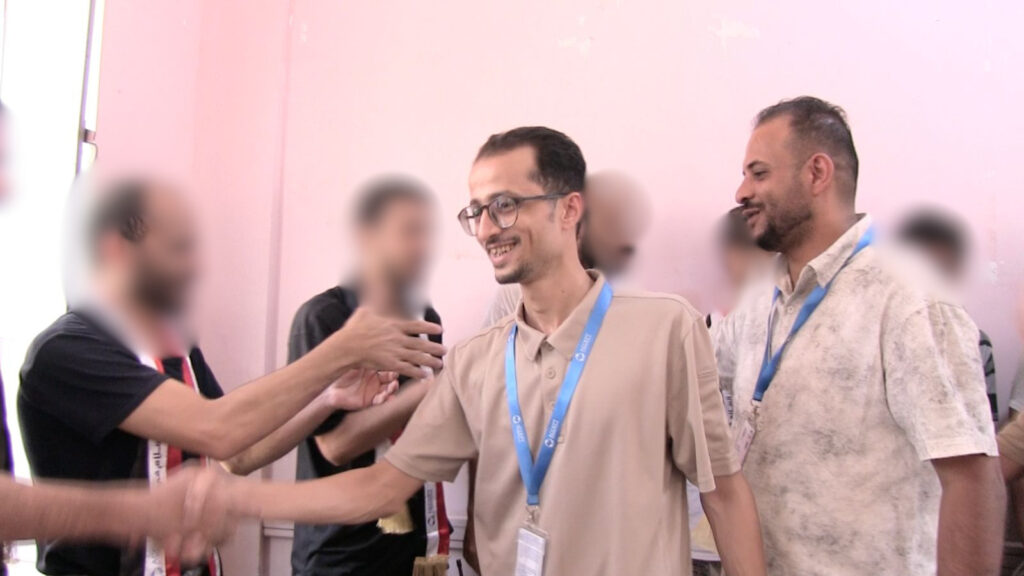
▲Shaking hands with each prisoner of war after sharing a message of hope.
To Our Readers
Thank you for reading this activity report. We will continue to share updates on the activities, and we hope you will continue to follow our work.
All of these initiatives are made possible through your support, particularly from those who join as “Accept Ambassadors”, contributing from just 10 USD per month.
To support more young people engaged in armed conflicts on new paths forward, we still need much more help.
We hope you will walk with us as an Accept Ambassador – to help break the cycles of violence and build a more peaceful future together.
➡ Become an Accept Ambassador