





September 2026
In this issue, we’re pleased to share news about a grant initiative by the Global Taskforce of Youth Combatants (GTY), which promotes efforts toward the development of international norms.
Efforts to Establish International Norms and the Background Behind Them
Through our work, we have seen that many young people are involved in non-state armed groups. We have also witnessed the reality that, rather than being driven primarily by extremist ideologies, many have been drawn into violence and caught in cycles of hatred as a result of kidnapping, threats, poverty, social exclusion, and disillusionment with their governments and the international community.
To support these young people in rebuilding their lives and reintegrating into society around the world, we are working to develop international norms that can serve as a guiding framework. Leading these efforts is the Global Taskforce of Youth Combatants (GTY), a body comprising conflict-affected individuals, experts, and others.
Established in 2024, GTY launched a grant program in 2025 to support initiatives that help conflict-affected individuals reintegrate into society, as well as peacebuilding activities carried out alongside those directly affected by conflict. The program currently provides grants of up to US$5,000 per project.
In 2026, GTY received more than 600 applications from around the world, approximately three times as many as the previous year.
From these applications, GTY selected grassroots projects that contribute to conflict resolution and lasting peace, ultimately deciding to award grants to two projects: one in Mali and the other in Afghanistan.
In this article, we share details of the selected projects, drawing on comments from each project leader.
[Mali] Supporting Reintegration Through Mental Health Care, Agricultural Training, and Reconciliation with Local Communities for Former Combatants
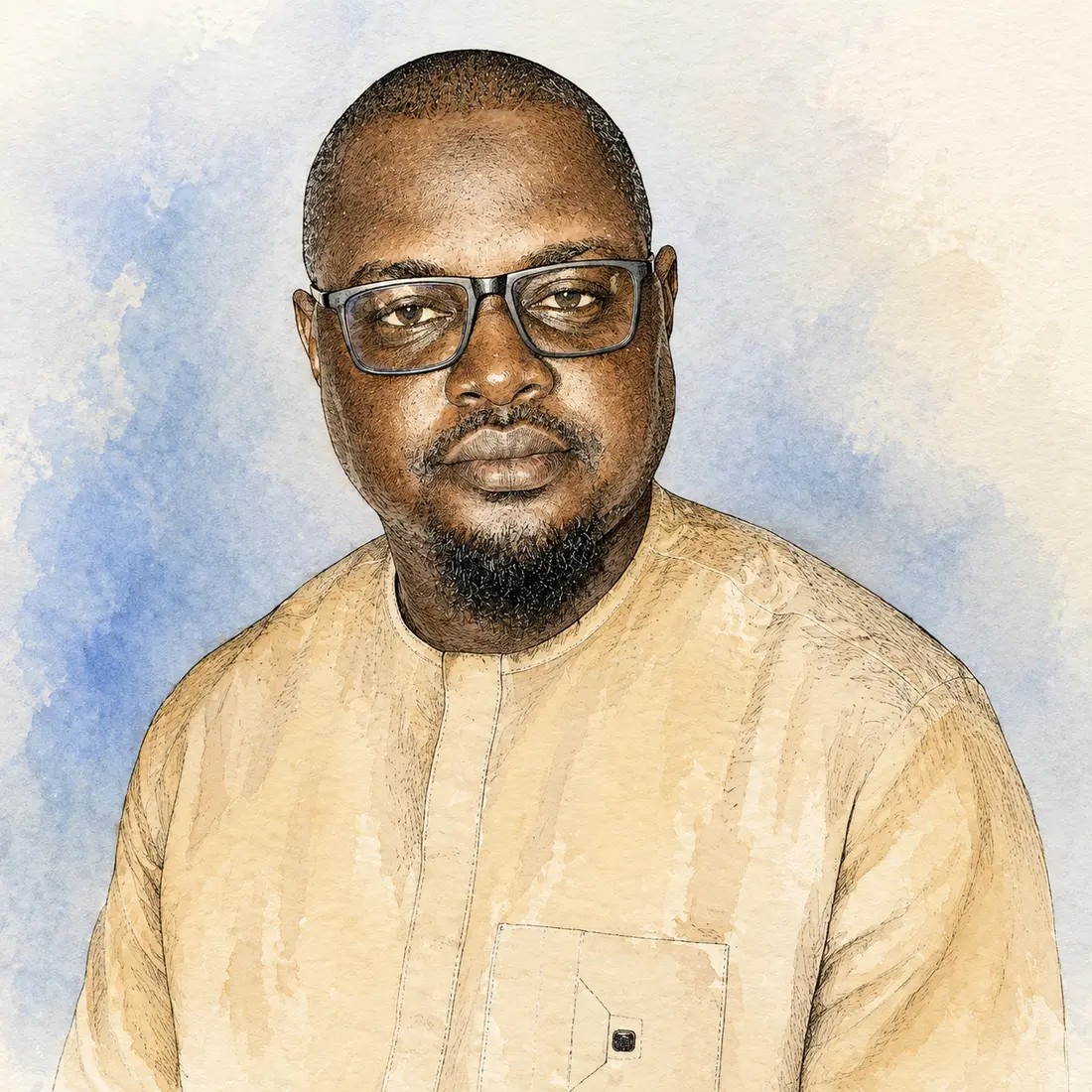
▲ Project Leader Mr. Breima Hama Touré
The Timbuktu region in northern Mali, where I grew up and have worked, has been affected by armed conflict for more than a decade. Amid poverty and despair, some young people have been unable to find hope for the future and have become involved in armed groups, while others have been forced to join them.
Even after leaving these groups and returning to their communities, rebuilding their lives is far from easy. They face rejection from local residents, struggle to find work due to a lack of skills, and are unable to access adequate care for their psychological trauma. I have witnessed these young people’s struggles firsthand.
At the same time, local communities often lack the resources and knowledge needed to support young people returning from armed groups. If the divide between these young people and their communities persists, it risks deepening existing tensions rather than helping build a peaceful society.
The youth-led organization I represent, CSIDAC, has been working to build a peaceful society by supporting young people’s reintegration and fostering dialogue within communities.
Building on this experience, we will support 30 young people who have been involved in armed groups over the course of one year through this program.
Working Together, Sharing Conversations, and Rebuilding Trust
Our first priority is to help each young person heal from their psychological wounds. Through psychosocial support and counseling tailored to each individual’s circumstances, we aim to help them regain their confidence and self-esteem.
We will also provide hands-on training in environmentally sustainable vegetable farming and small-business management to help these young people earn a stable income and build sustainable livelihoods. We also plan to establish a cooperative so that they can continue working together and generating income even after the program ends.
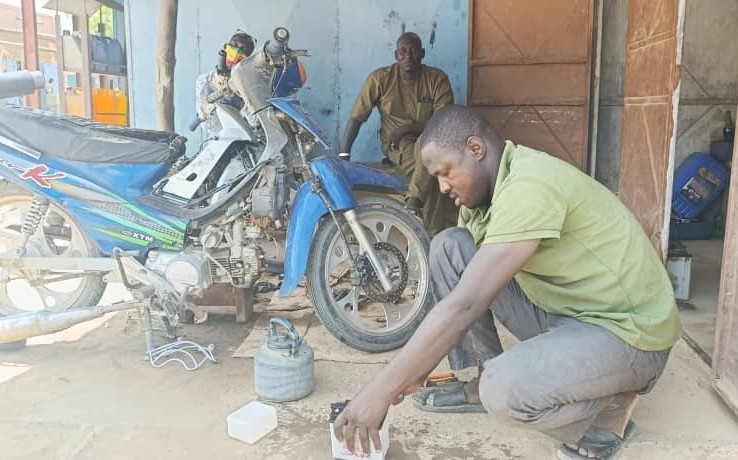
▲ Vocational Training in Progress
We will also work to rebuild relationships between these young people and their communities through agriculture. Specifically, we will begin by having young people who were involved in armed groups and local residents work together to prepare agricultural land. By working side by side, breaking a sweat, and talking with one another, we hope to deepen mutual understanding and gradually rebuild the trust that has been lost.
In addition, we will train young people to provide counseling and support within their communities. Our aim is to establish a system that will allow people to seek help close to home whenever they face difficulties, even after the program ends.
At the heart of these efforts is my personal belief that no young person is born a combatant, and that every young person has the potential to become an agent of peace. That is why I was truly delighted to learn that Accept International and GTY shares this same belief.
My passion for this work also stems from the fact that I have lived in this region and witnessed the struggles of young people firsthand. We, too, are young people from this community. Because we have shared so many experiences in the same region, we understand what these young people hope for, what frustrates them, and the realities they face.
We have chosen to remain in this region despite the conflict and instability. Together with young people returning from armed groups, we will work to build a future for our community.
[Afghanistan] Supporting the Reintegration of Former Combatants Through English Language Education, Vocational Training, and Psychosocial Support Led by Young People with Firsthand Experience of Conflict
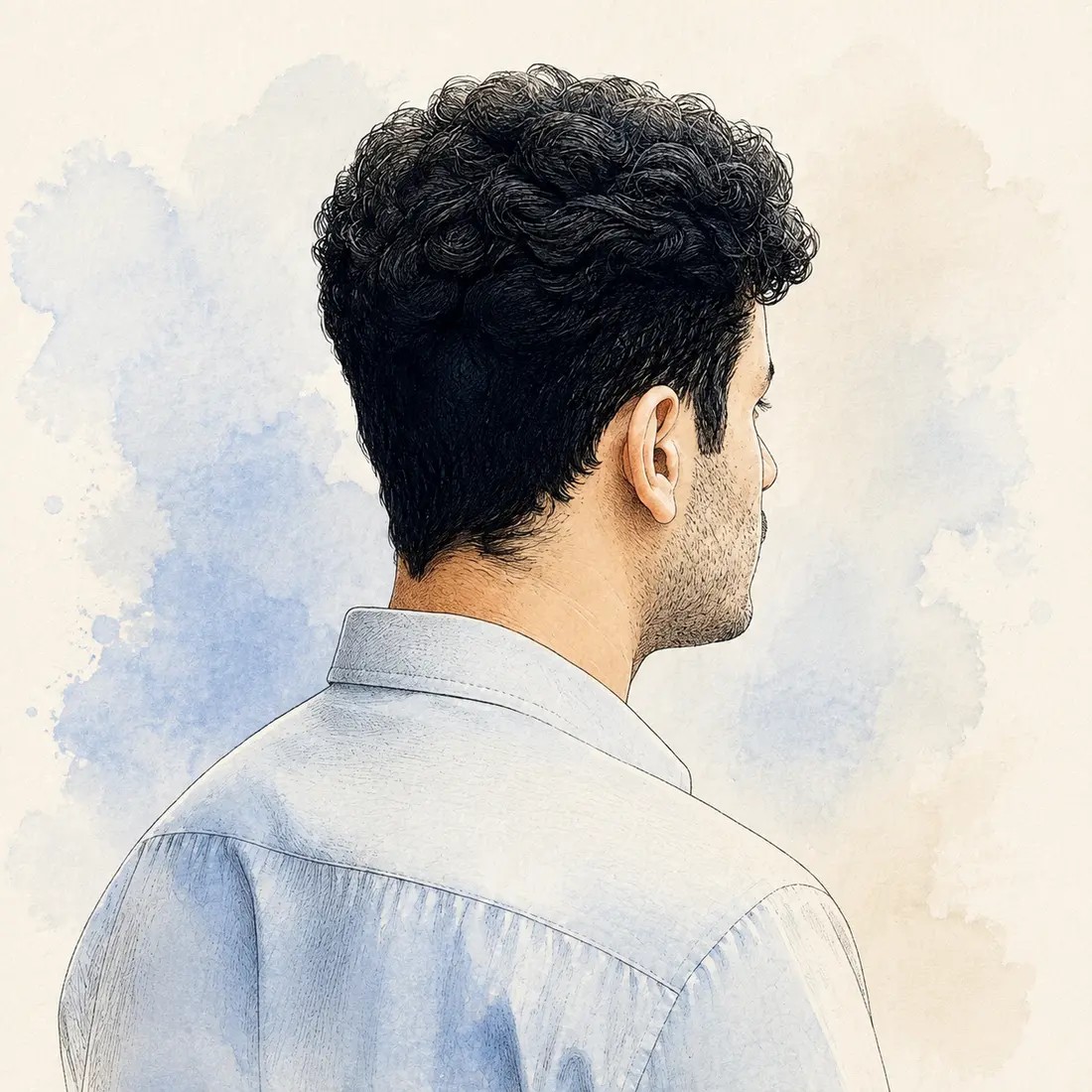
▲ Project Leader Mr. Ali Najafi
The Bamyan Province of Afghanistan, where I grew up, has suffered from decades of conflict and deteriorating security. Combined with poverty and a lack of job opportunities, these conditions have left young people with very few choices for their future. Some young people have had no choice but to become involved in armed groups in order to protect themselves and their families and simply survive.
Even after leaving these groups, they face numerous challenges. They may be rejected by their communities because of their past as former combatants, and sometimes even their own families refuse to accept them. On top of that, they lack access to the education and skills needed to find work, the financial resources to start a new life, and adequate care for their psychological trauma.
I know these challenges firsthand because I have experienced them myself. In 2019, I made the difficult decision to become involved with a local armed group because I wanted to protect my community from the Taliban, who were seeking to consolidate their power at the time. I remained with the group for only six months, but leaving it was one of the most difficult experiences of my life. Even after returning to my community, I received very little support, guidance, or opportunity to rebuild my life.
That is precisely why I wanted to create a pathway for young people in circumstances similar to my own to start over and rebuild their lives in safety.
It Starts with Listening to One Person at a Time
What matters most to me in this project is engaging with each young person individually and building relationships based on trust.
I will begin by meeting with young people one-on-one or in small groups, explaining the program and listening to their concerns and worries. Through ongoing conversations, I hope to build relationships in which they feel safe sharing their experiences and feelings.
I believe that having gone through similar experiences myself allows me to understand their feelings in ways others might not, and to build relationships of trust with them. This is also an aspect of our work that closely aligns with Accept International and GTY’s mission.
Even after the program ends, I plan to stay in regular contact with each participant, checking on their living conditions and continuing to offer advice and support.
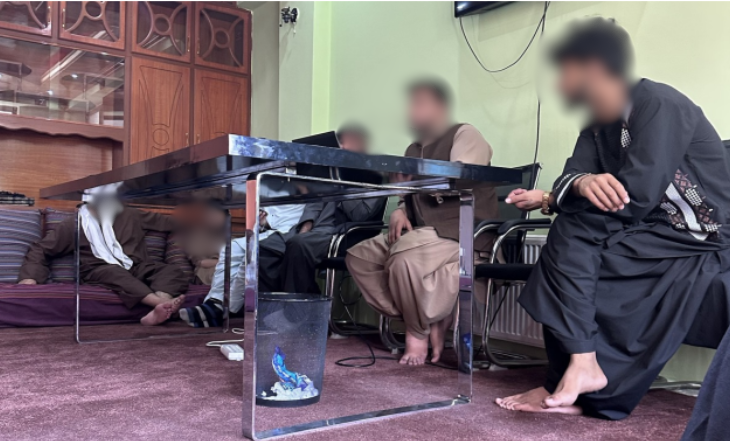
▲ One-on-One Counseling with the Project Leader
We also plan to offer group counseling sessions led by young people who have received training. We hope to create a safe space where participants can share their experiences and challenges, work through their emotional wounds, and regain their confidence and sense of dignity.
Empowering Young People to Choose Their Own Future
Alongside psychosocial support, young people also need opportunities to learn and develop income-generating skills to support their livelihoods.
To broaden their employment prospects, the program will provide English language education, as well as vocational training tailored to local job opportunities and business training to help them launch small enterprises. Our goal is to ensure that what they learn translates into employment and income, empowering them to support themselves and their families.
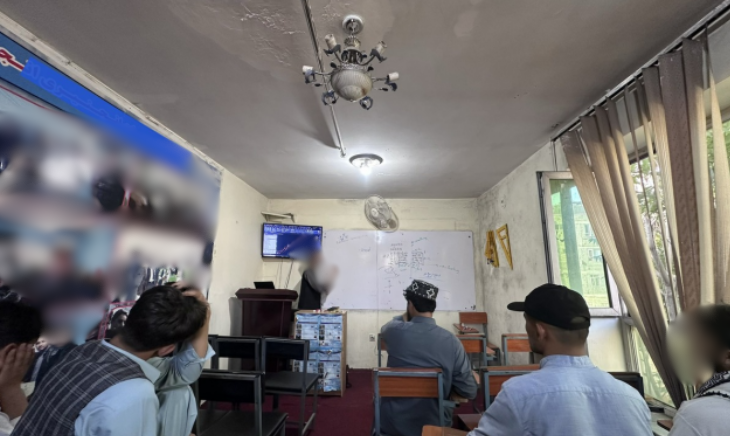
▲ English Language Class in Progress
At the same time, we will create opportunities for dialogue with family members, community elders, and local leaders. No matter how hard young people work, rebuilding their lives will be difficult if they continue to face rejection from their communities. We will therefore engage in ongoing dialogue with those around them to reduce prejudice and discrimination and help ensure that these young people are welcomed back as members of their communities.
For me, this initiative is about helping other young people find a path forward, a path that I myself struggled to find.
Drawing on my own experiences, I will do everything I can to help young people regain their dignity and hope for the future, rebuild their lives on their own terms, and become active contributors to peace in their communities.
Comments from Yuna Minami, Director of International Engagement
We received more than 600 applications for this grant program. During the final selection process, we spoke directly with many applicants online, with the help of interpreters working in various languages. These conversations gave us the opportunity to hear about their individual experiences and the passion behind their initiatives.
Many applicants were young people who had a strong desire to contribute to their communities but had never before had access to this kind of grant support. Many expressed their gratitude for the opportunity. Those selected for funding have been working diligently to keep us updated on their progress, navigating unstable internet connections and learning through trial and error as they tackle the unfamiliar task of preparing progress reports.
Through GTY, we support initiatives led by young people directly affected by conflict. We also work to create opportunities for them to share their voices and experiences, which are so often unheard, through speaking at events and writing blog posts. We believe that amplifying their voices, grounded in their lived experiences, is particularly important because it complements Accept International and GTY’s advocacy efforts to establish international norms.
Every day, I feel grateful that we have the opportunity to walk alongside young people affected by conflict around the world as they take action to transform their communities, the world around them and beyond. I hope you will continue to join us on this journey.
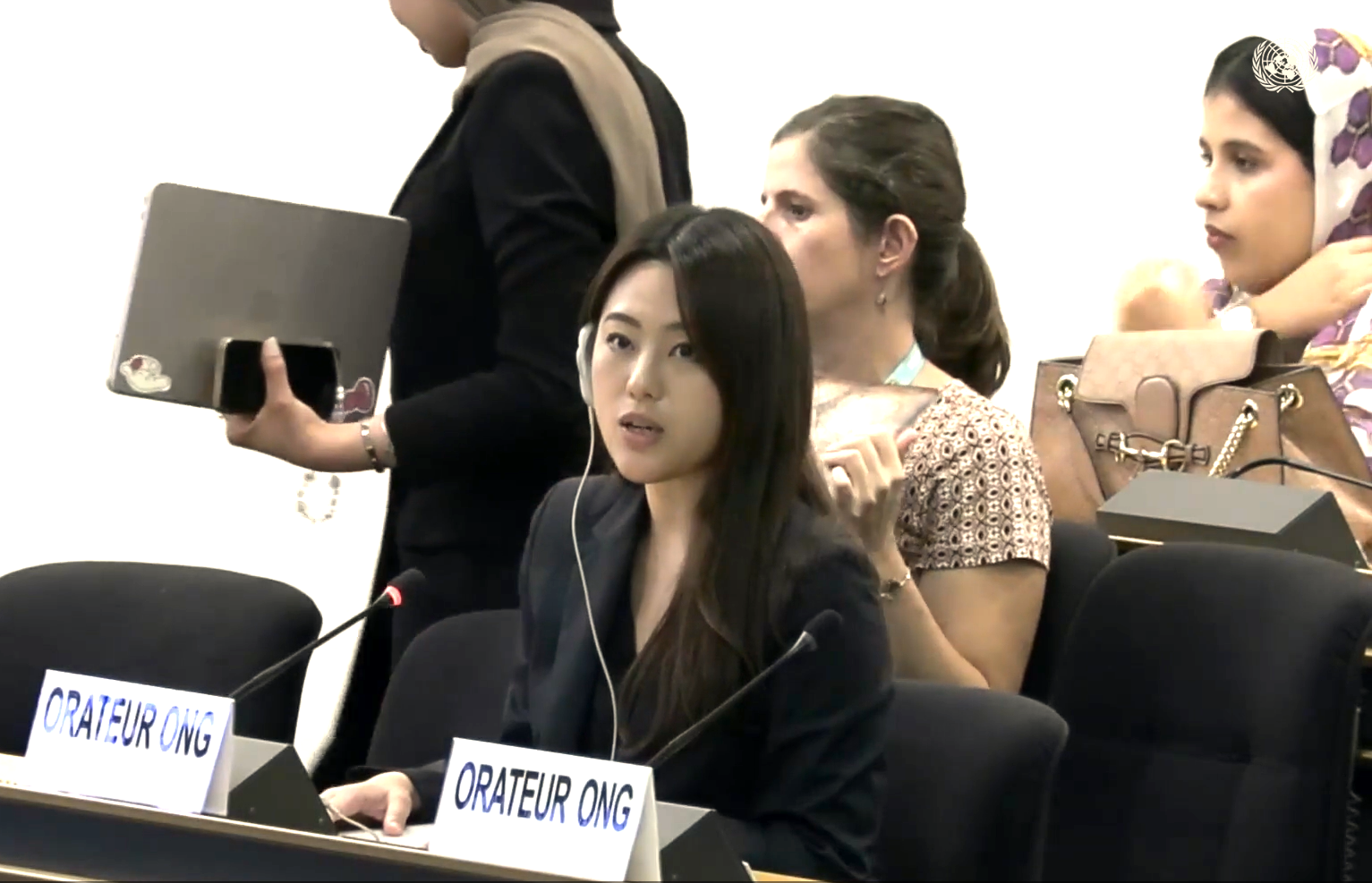
▲ Oral Statement at the United Nations Human Rights Council in Geneva
A Message to Our Readers
Thank you for taking the time to read this activity report. We look forward to continuing to share updates on the work of our various teams in an accessible and engaging way, and we sincerely appreciate your continued support.
Finally, we are currently welcoming new members to our Accept Ambassador program, through which you can support our work with monthly contributions starting at just ¥1,500.
Together, we can help young people around the world break free from cycles of violence, provide them with strong support as they embark on new paths in life, and contribute to resolving terrorism and armed conflict. We would be grateful if you would take this opportunity to join us as an Accept Ambassador.
➡ Become an Accept Ambassador