





What We Do
Colombia

Creating a New Society
After the Peace Agreement,
Together with Former Combatants

Aiming to develop a model for social reintegration and reconciliation with local communities following the peace agreement, we provide rehabilitation and reintegration support to former FARC (Revolutionary Armed Forces of Colombia) combatants, their families, and residents living around reintegration camps, while also implementing initiatives to foster reconciliation.

In Colombia, against a backdrop of deep socioeconomic inequality and limited political participation among marginalized populations, numerous leftist guerrilla groups emerged, contributing to a protracted armed conflict that lasted for more than five decades. Right-wing paramilitary groups, some of which were reported to have links with state actors, including government forces and the police, also became involved, further complicating the dynamics of the conflict and perpetuating cycles of violence. At its peak, the largest leftist armed organization, the Revolutionary Armed Forces of Colombia (FARC-EP), had approximately 20,000 combatants and engaged in various forms of armed violence, including assassinations, bombings, hijackings, kidnappings, and extortion.

Following the 2016 peace agreement with the government, the FARC-EP transitioned into a political party, and former combatants who supported the agreement entered the reintegration process after laying down their arms. However, they continue to face significant challenges to this day. Although the reintegration camps for former combatants, known as the Areas for Training and Reintegration (AETCRs), are established and supported by the government, many residents continue to live in isolated conditions, relying heavily on government financial assistance and remaining disconnected from surrounding communities. As a result, many continue to face precarious economic and social circumstances.

Furthermore, significant challenges remain, including gaps in the implementation of certain provisions of the peace agreement, divisions in public perceptions regarding the reintegration of former combatants, and the continued targeting and assassination of former combatants and their families even after the agreement was signed. Under these circumstances, many former combatants continue to experience anxiety and fear regarding engagement with local communities, making reconciliation and social reintegration more difficult to advance.

This situation further deepens the economic and social inequalities that contributed to the root causes of the conflict, increasing the risk that individuals, including youth, may once again turn to violence. In fact, some former combatants have rejoined or formed new armed groups and become involved in illicit activities, including drug trafficking and attacks against government institutions and security forces.

Our Work in Colombia

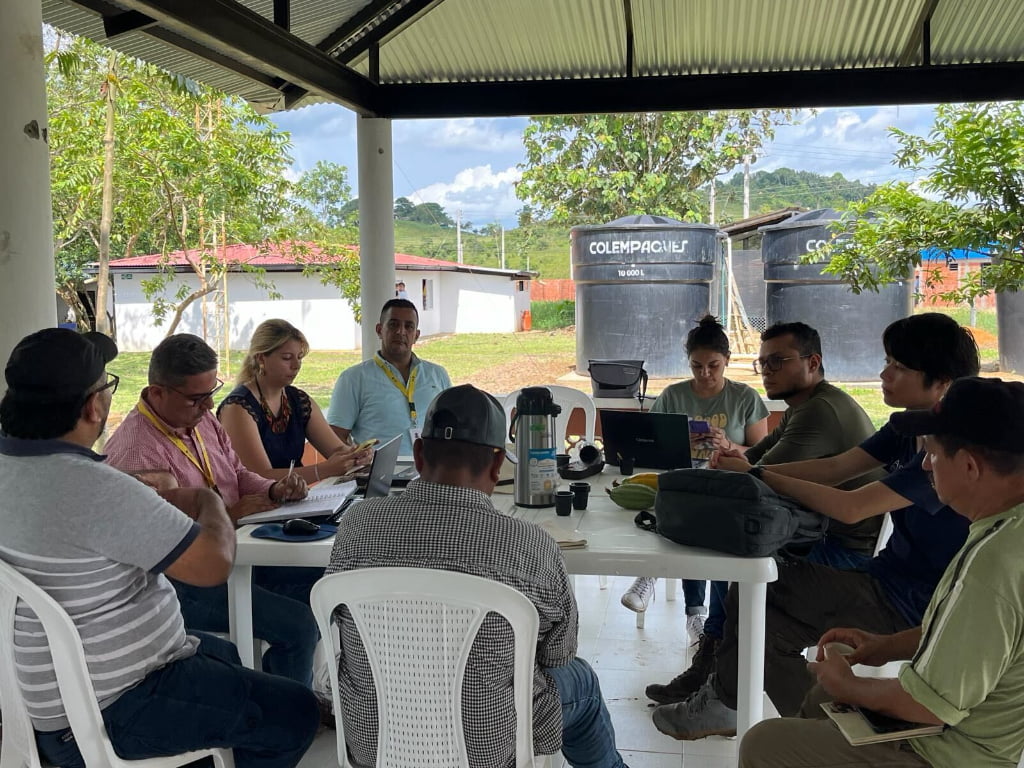
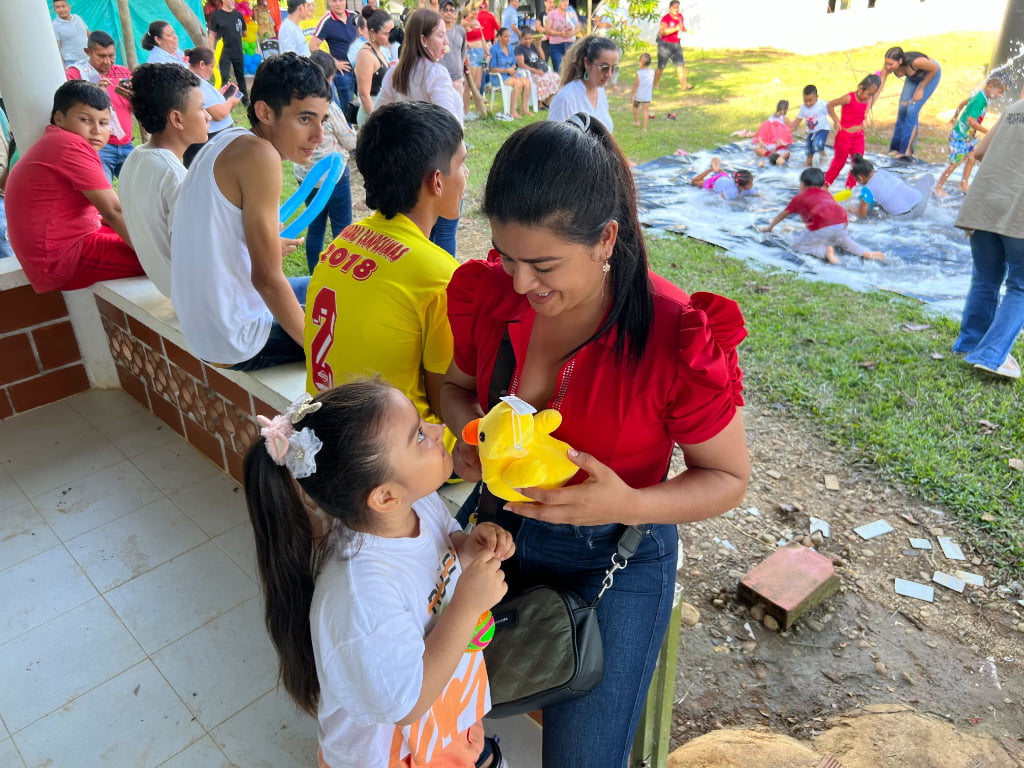
Based in a reintegration camp in the southern department of Caquetá, where a significant number of former FARC combatants reside, we provide rehabilitation and reintegration support to former combatants, their families, and members of surrounding communities. At the same time, we work to foster reconciliation and strengthen community-based support systems.

1. Rehabilitation and Reintegration Support

Based on our experience in Somalia and Yemen, we provide a range of programs, including psychosocial support, vocational training, business management training, life skills training, and civic education.

Through psychosocial support, we address mental health challenges, including trauma resulting from the conflict, experiences of discrimination within local communities, and ongoing anxiety caused by the continued targeting and assassination of former combatants even after the peace agreement. At the same time, through dialogue-based approaches, we support individuals in reflecting on their past experiences while fostering a positive outlook toward reintegration into society.

Furthermore, many former combatants continue to rely on government allowances for their livelihoods. Even when they acquire vocational skills through international assistance, many face challenges in effectively applying those skills and transitioning into employment, entrepreneurship, or further education. To address these challenges, we provide vocational training and business management workshops aimed at promoting long-term self-reliance.

Additionally, we provide life skills training and civic education covering areas such as future life planning, building relationships with local communities, embracing diversity, preventing gender-based violence, and exploring the roles and potential contributions of former combatants in Colombia’s peacebuilding process.

2. Fostering Reconciliation

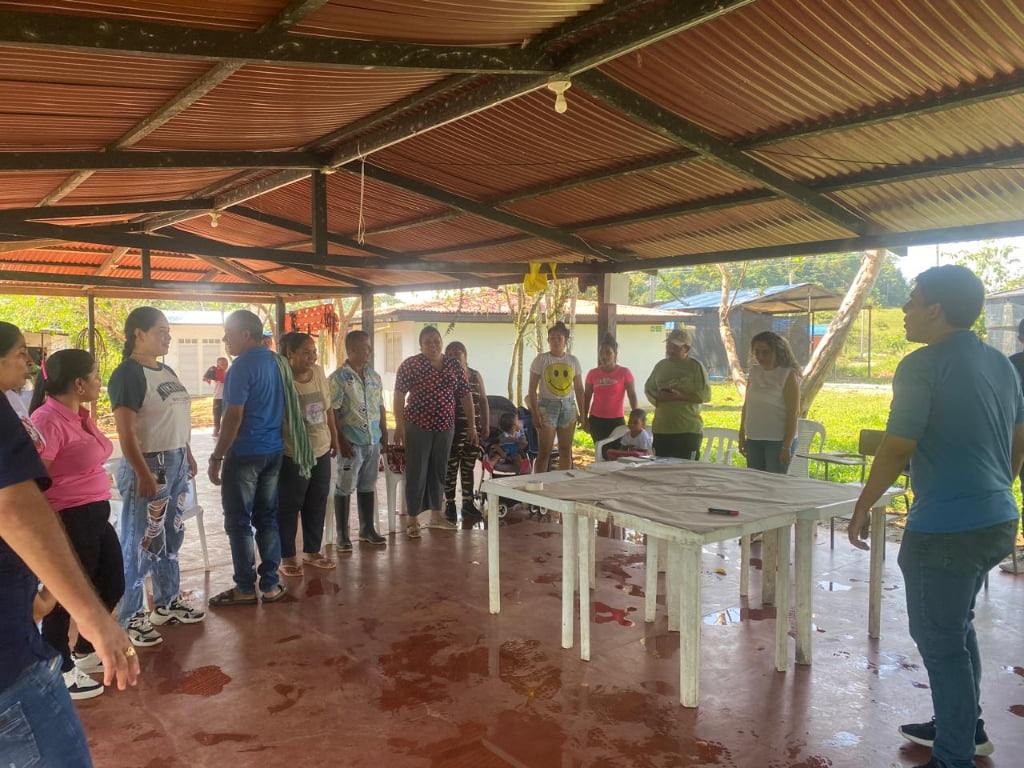
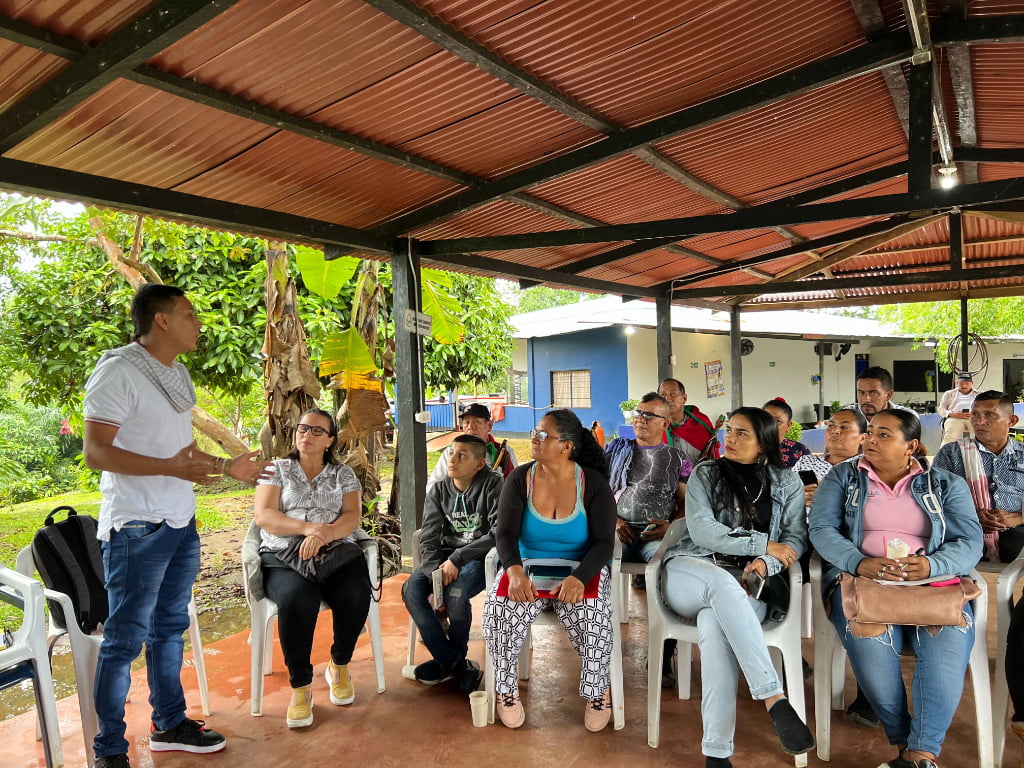
To build mutual understanding and trust between former combatants and local communities, we implement dialogue programs that bring together former combatants, local residents, including internally displaced persons (IDPs), government agencies, and private sector actors.

At the same time, we are developing a multipurpose vocational training center within the reintegration camp that is also open to local residents. This creates an inclusive environment where former combatants and members of the local community can learn together and access support. Through these initiatives, we aim to lay the foundation for long-term reconciliation and social cohesion.

3. Strenghtening Support Systems

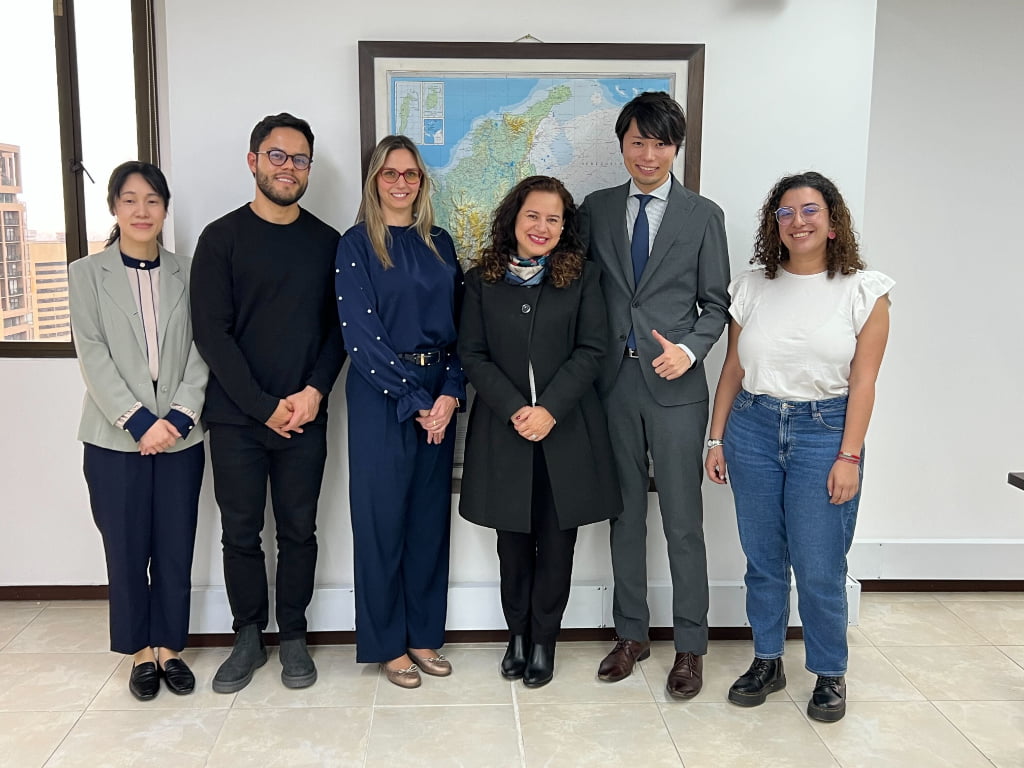
We provide capacity-building training focused on dialogue skills for government officials who support former combatants, their families, and local communities. Furthermore, by engaging government agencies and local stakeholders in the implementation of our rehabilitation and reintegration programs, we are developing a framework for sustainable and locally led support.
Your support is crucial to break the cycle of hatred
and save people from armed conflict.