Our Work in Kenya
We are working in cooperation with the Japanese Ministry of Foreign Affairs, JICA, UN agencies, and other international partners to support individuals formerly associated with armed groups and unemployed youth in finding alternatives to violence, while also strengthening the support systems that underpin these efforts.
1. Prevention of Recruitment into Armed Groups and Radicalization
Income-Generation Support for Unemployed Youth
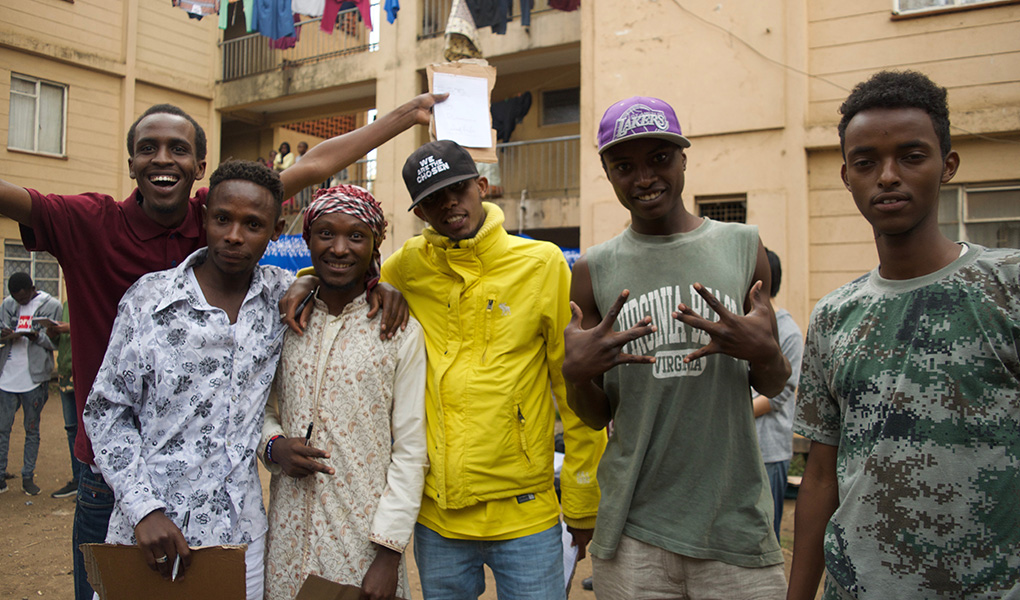
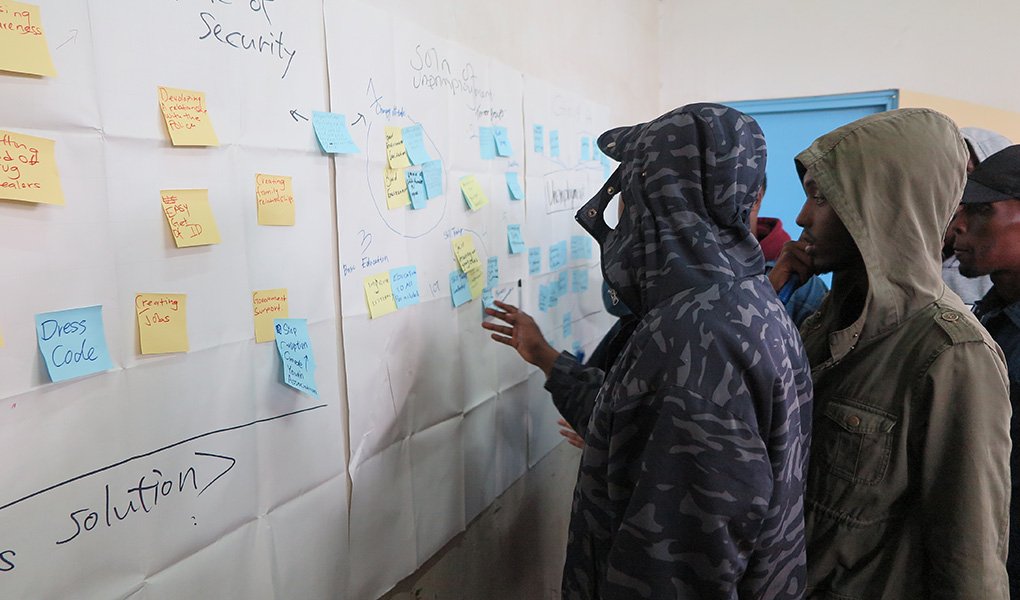
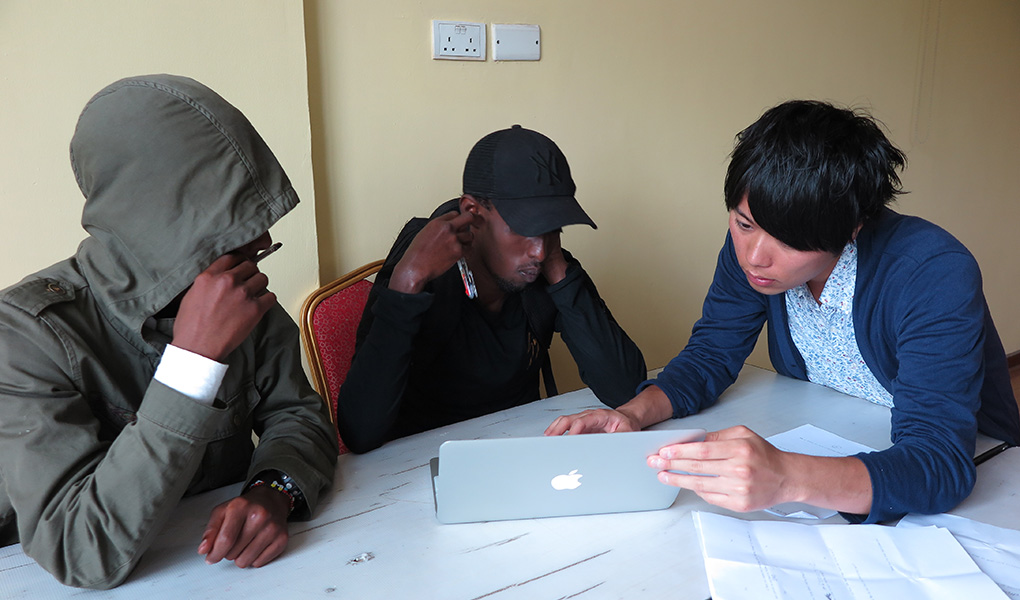
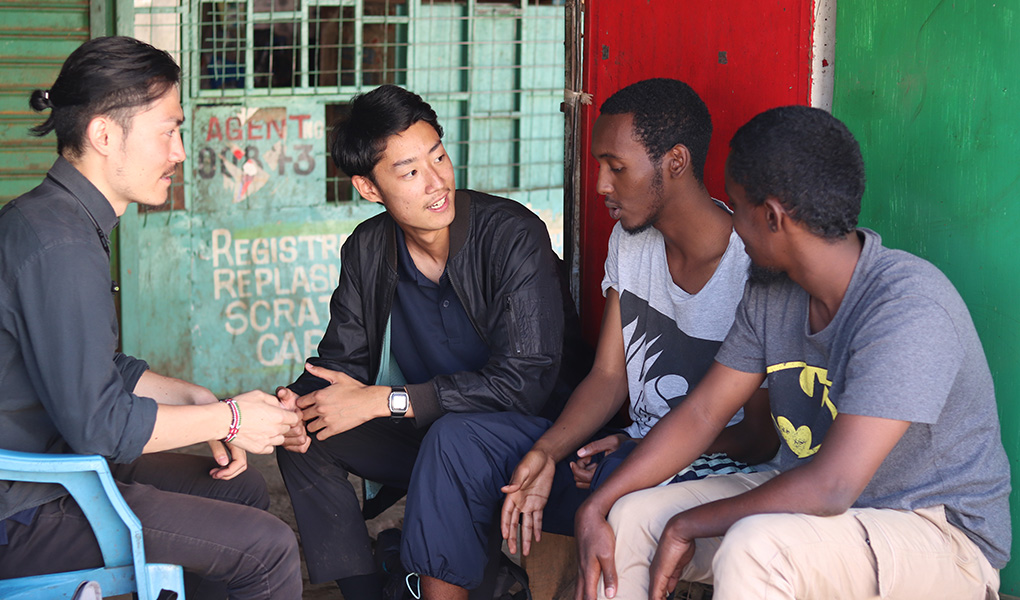
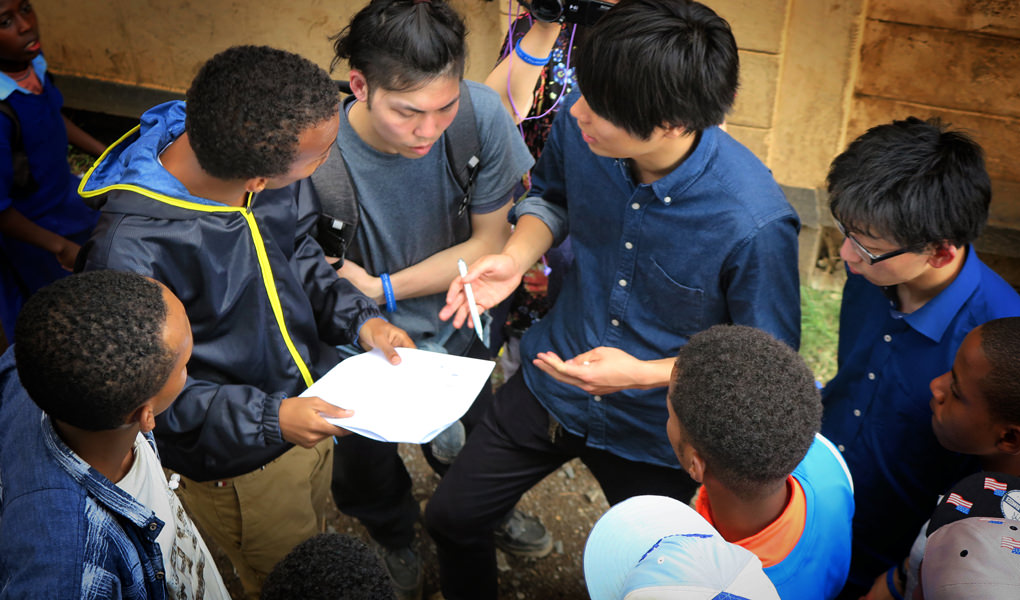
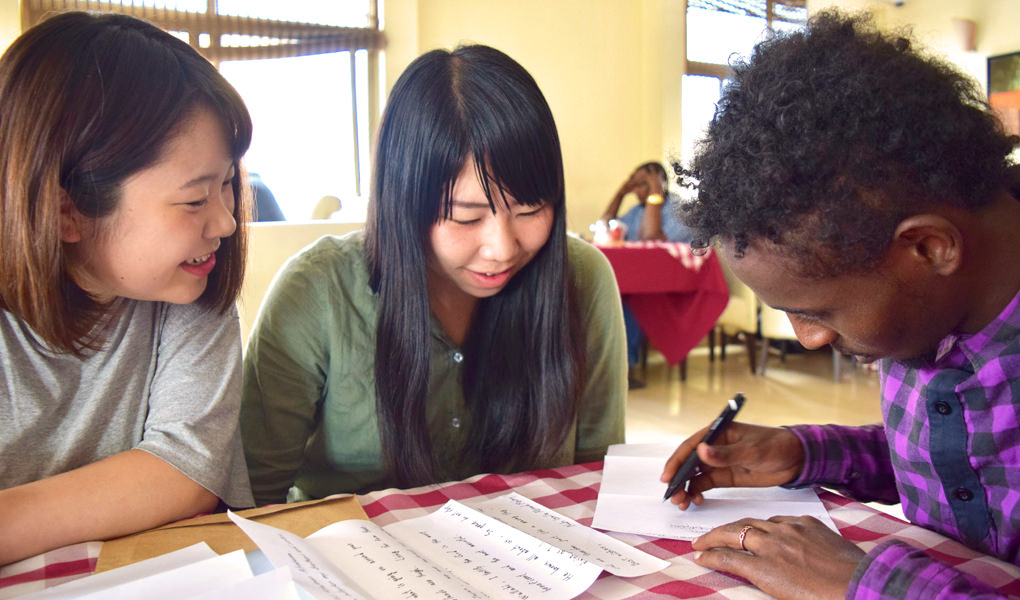
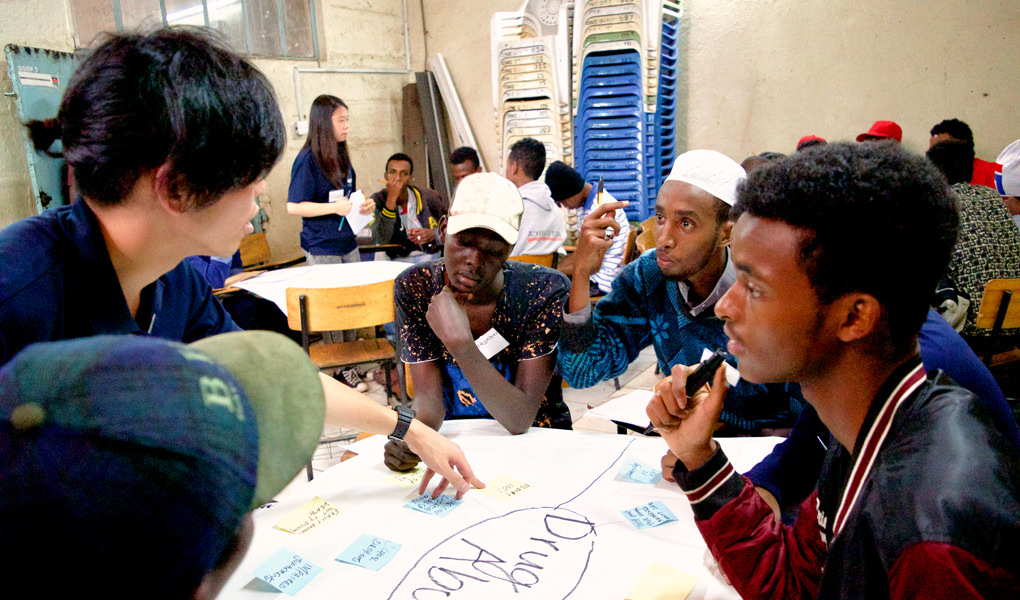
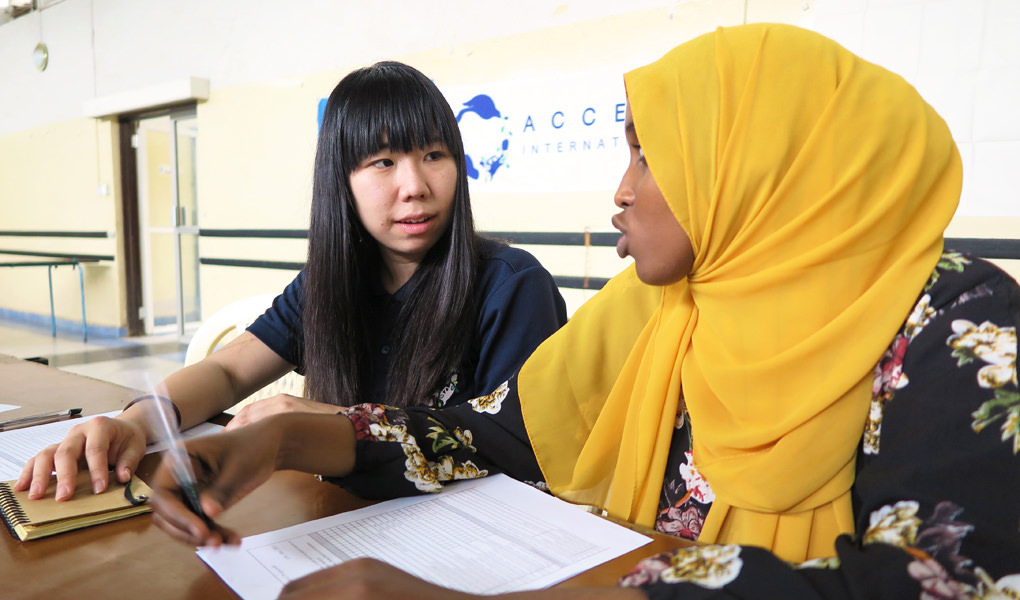
We work with unemployed young people and individuals in vulnerable situations in informal settlements in Nairobi, including those at risk of gang involvement. We provide vocational training, business planning support, and life skills training, including goal setting, financial management, and communication skills.
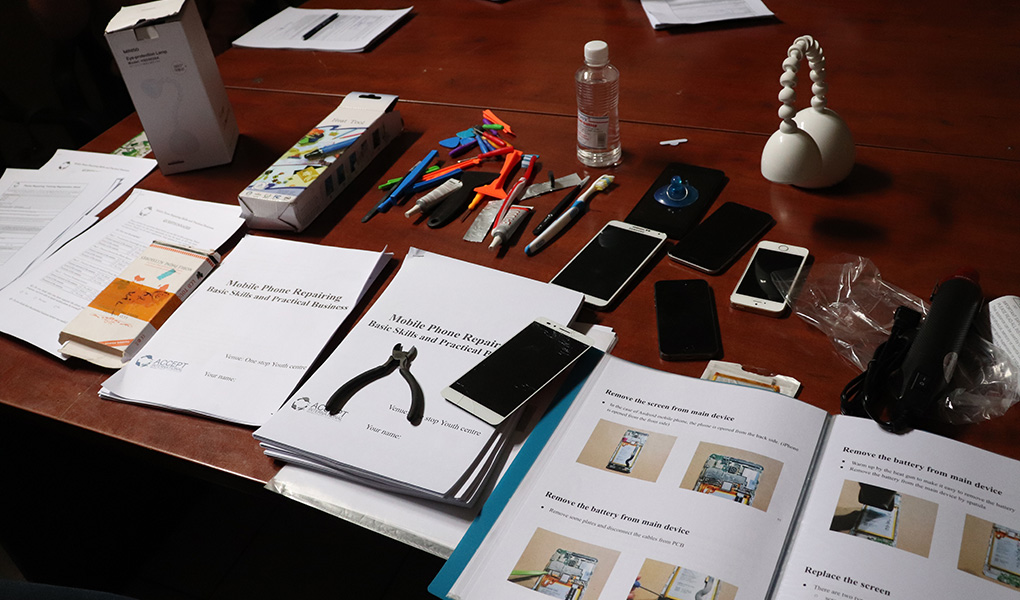
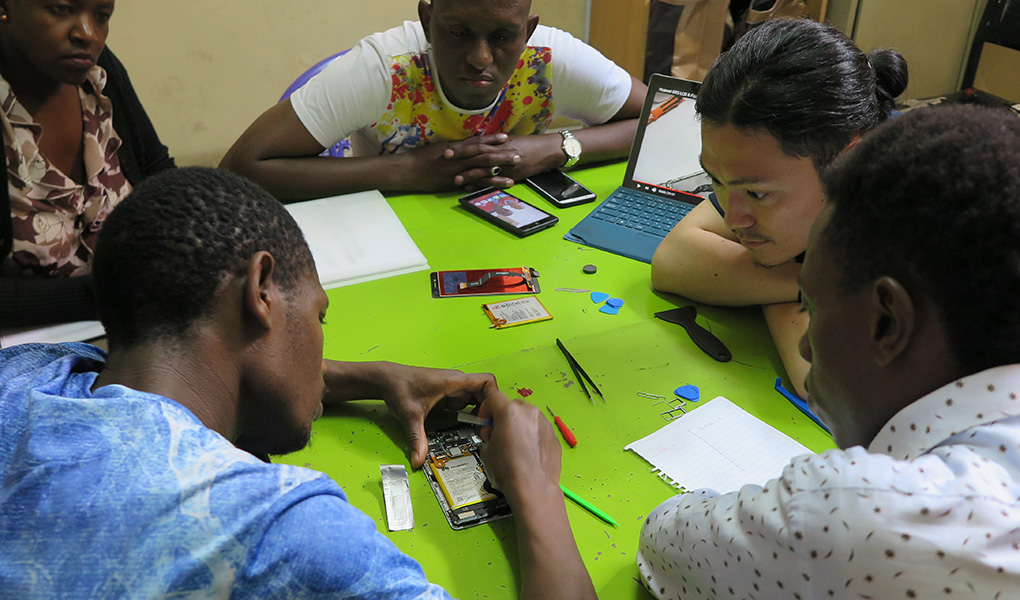
In addition, we offer technical training in areas such as smartphone repair, graphic design, and basic computer skills. These activities aim to support income generation through small-scale entrepreneurship, strengthen community ties, and enable young people to pursue sustainable livelihoods without resorting to violence.
2. Rehabilitation and Social Reintegration Support
We implement rehabilitation and reintegration programmes for individuals convicted of terrorism-related offenses in maximum-security prisons in Nairobi and Naivasha.
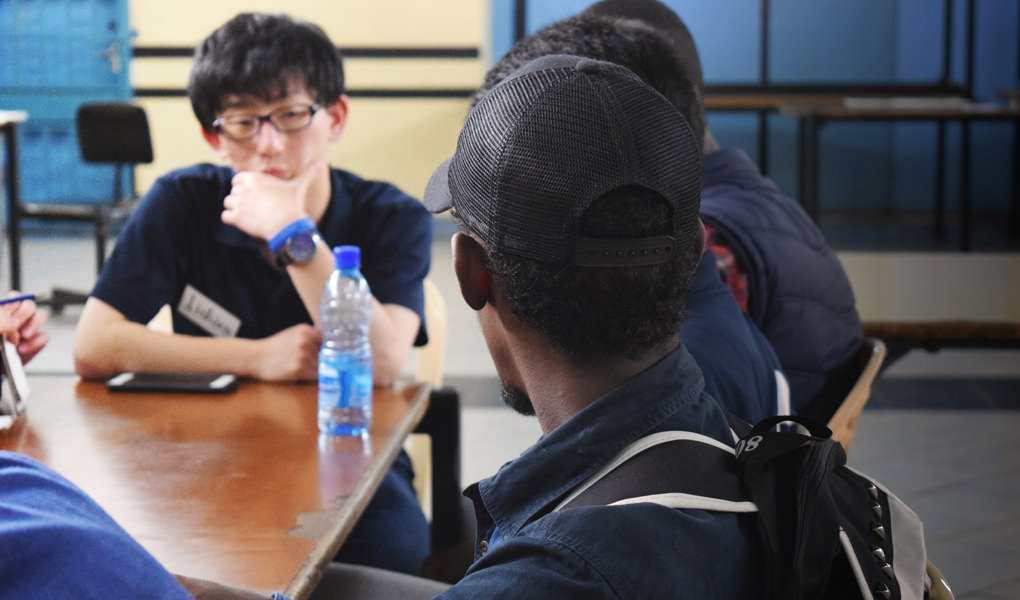
Drawing on our experience in Somalia and Yemen, we work in collaboration with prison authorities to deliver programmes such as psychosocial counselling, vocational training, faith-based dialogue sessions, and life skills and future planning sessions aimed at reducing the risk of re-engagement in violence.
In addition, we facilitate dialogue initiatives that promote mutual understanding between local communities and former inmates, contributing to social cohesion and reconciliation.
3. Strengthening Support Systems
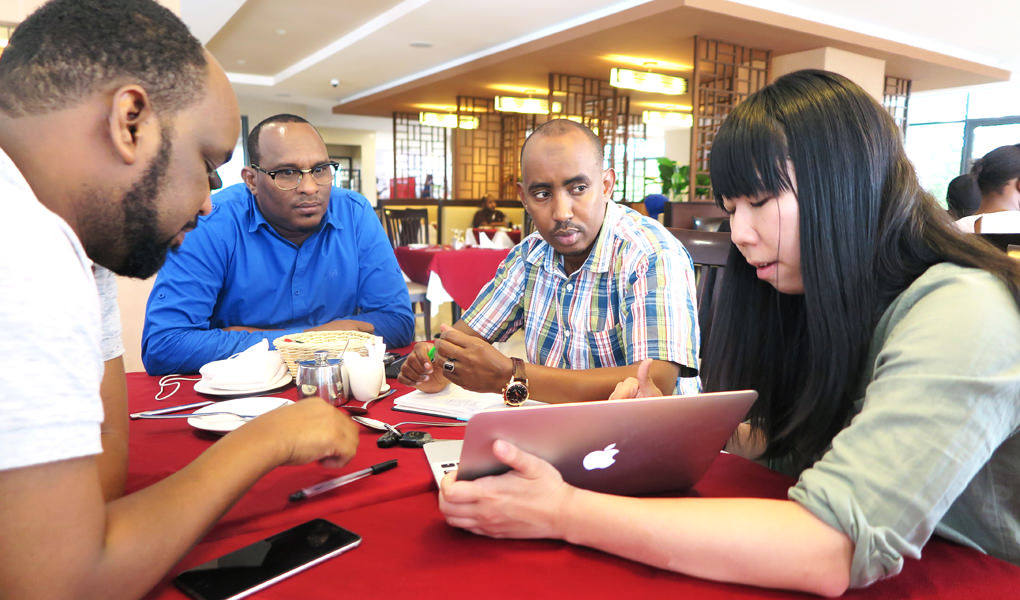
We provide capacity-building training for local government officials supporting vulnerable youth in informal settlements, as well as prison officers and probation officers involved in the reintegration of former inmates.
Key training components include engagement with at-risk populations, psychosocial support, income-generation assistance following vocational training, and participatory, non-coercive faith-based dialogue approaches.
In parallel, we support improvements to prison facilities, including the establishment of counselling spaces and the rehabilitation of vocational training infrastructure.
Past Initiatives
Supporting the Reintegration of Somali Youth
Since 2013, we have been providing social reintegration support primarily to Somali youth formerly involved in gangs in Nairobi, the capital of Kenya. While they were often excluded from local communities as criminals, they faced severe challenges, including discrimination and harassment, high unemployment rates, and an unstable security environment.
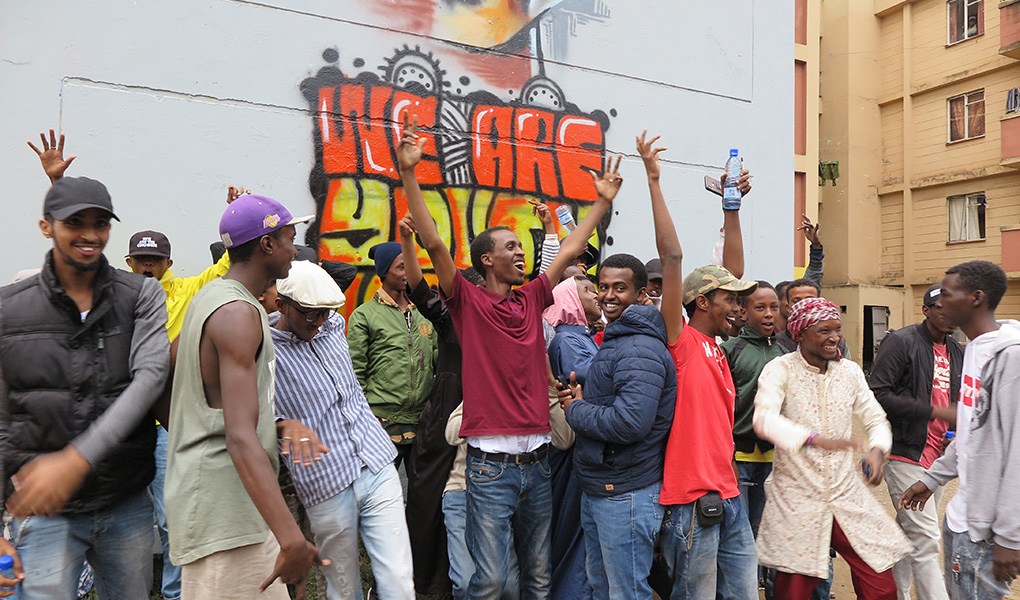
In response, in addition to awareness-raising programmes aimed at helping them recognize their own potential and act as agents of positive social change, we have provided long-term skills training and regular counselling. As a result of these efforts, in 2018 we organized a gang disbandment ceremony involving three major gang groups, each comprising approximately 170 members. Today, most of the participating youth have secured employment, are supporting their families, and are leading peaceful lives.
Youth Resource Centre in Northeastern Mandera
At the request of the United Nations Human Settlements Programme (UN-Habitat), we implemented the One Stop Youth Resource Centre Project, a joint initiative aimed at preventing youth radicalization in Mandera County, in northeastern Kenya, bordering Somalia.
Mandera is an area with a high risk of youth radicalization due to the presence of Al-Shabaab recruiters based in Somalia, historical marginalization by the central government, and reports of individuals traveling to Somalia to join armed groups. Despite its strategic importance, the region has received limited international support due to frequent attacks, kidnappings, and challenging geographical access.
Within this project, we were responsible for training county government officials in Mandera, conducting workshops on countering violent extremism, and developing training modules as part of the programme.
Strengthening Resilience to Climate Change and Conflict in Turkana and Garissa Counties
As an implementing partner of the International Organization for Migration (IOM), we conduct conflict resolution workshops and provide vocational training for communities vulnerable to the impacts of climate change.
Pastoralist communities constitute the majority of the population in Turkana County in the northwest and Garissa County in the northeast. However, prolonged droughts driven largely by climate change have resulted in livestock losses due to water and pasture shortages. This has contributed to increased inter-communal conflict over scarce resources, livestock raiding, as well as heightened risks of malnutrition and food insecurity.
To address these challenges and strengthen community resilience, we have supported the development of community action plans for conflict prevention and resolution through participatory workshops, and provided vocational training to improve alternative livelihood opportunities for pastoralist communities.