Our Work in Indonesia
We provide rehabilitation and social reintegration support to individuals formerly associated with so-called violent extremist organizations, such as Jemaah Islamiyah and Jemaah Ansharut Daulah, who have served prison sentences in relation to terrorism-related offenses. We also work to promote reconciliation with local communities, prevent further radicalization, and strengthen community-based support systems.
1. Rehabilitation and Social Reintegration Support
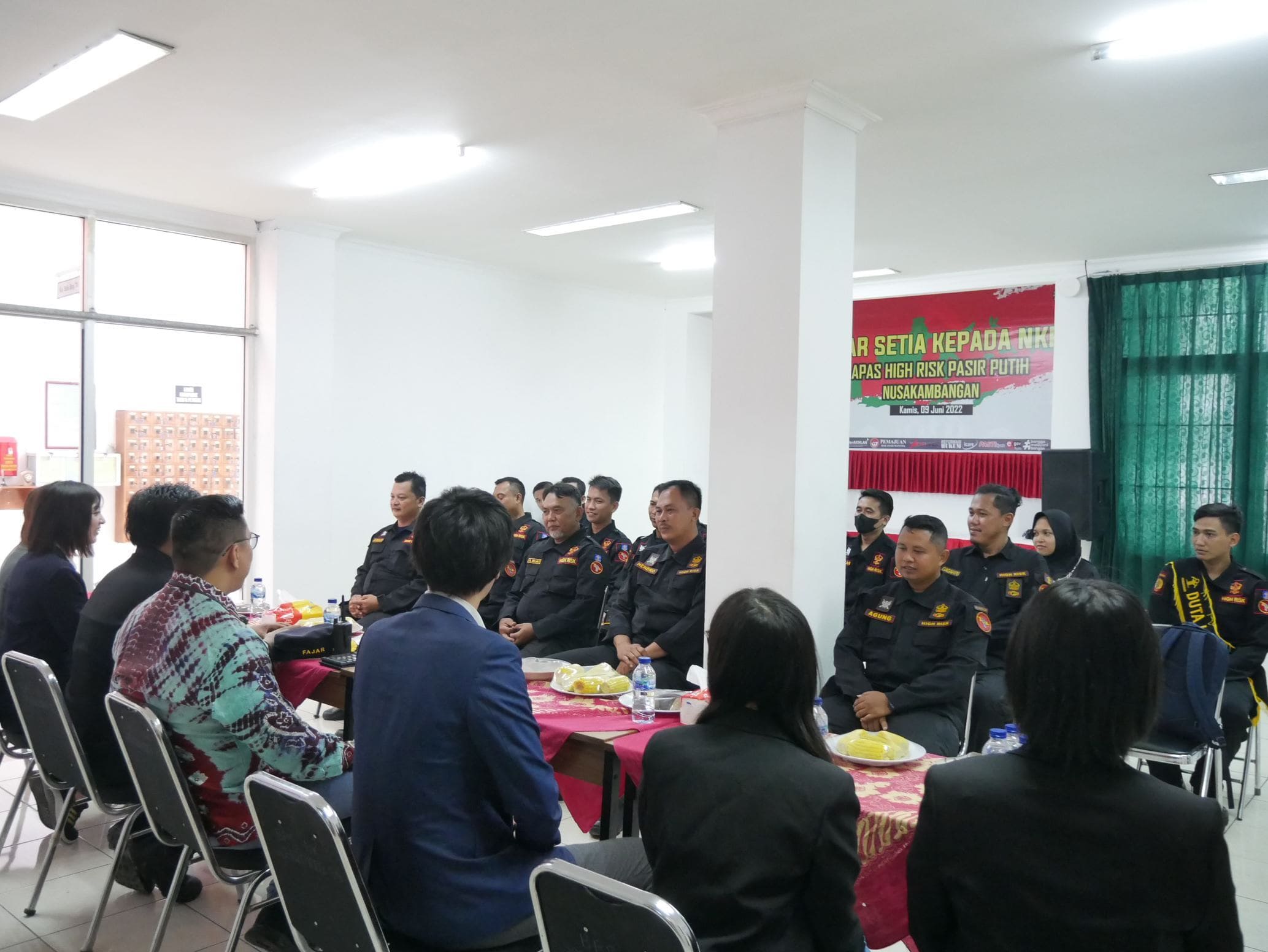
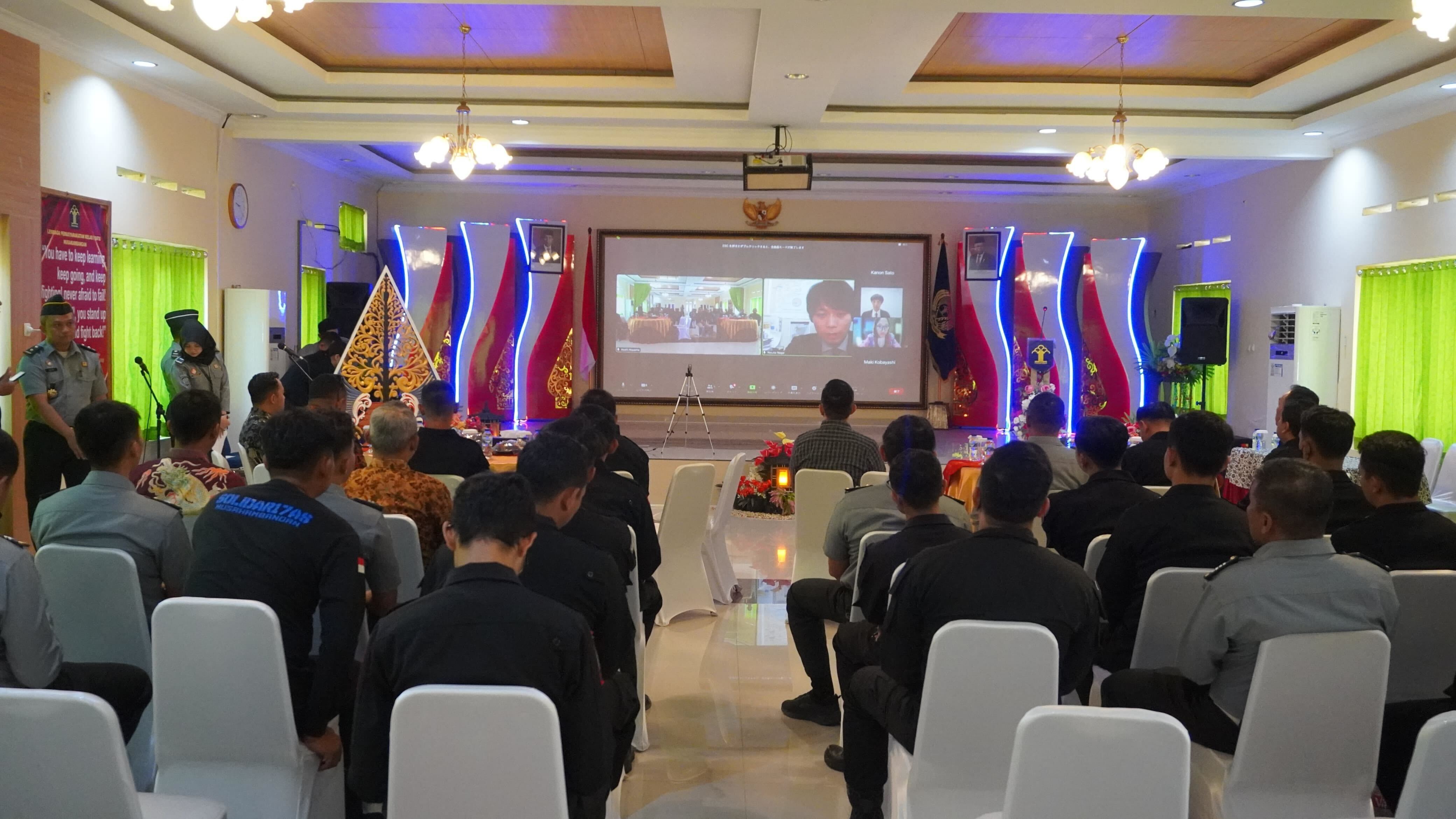
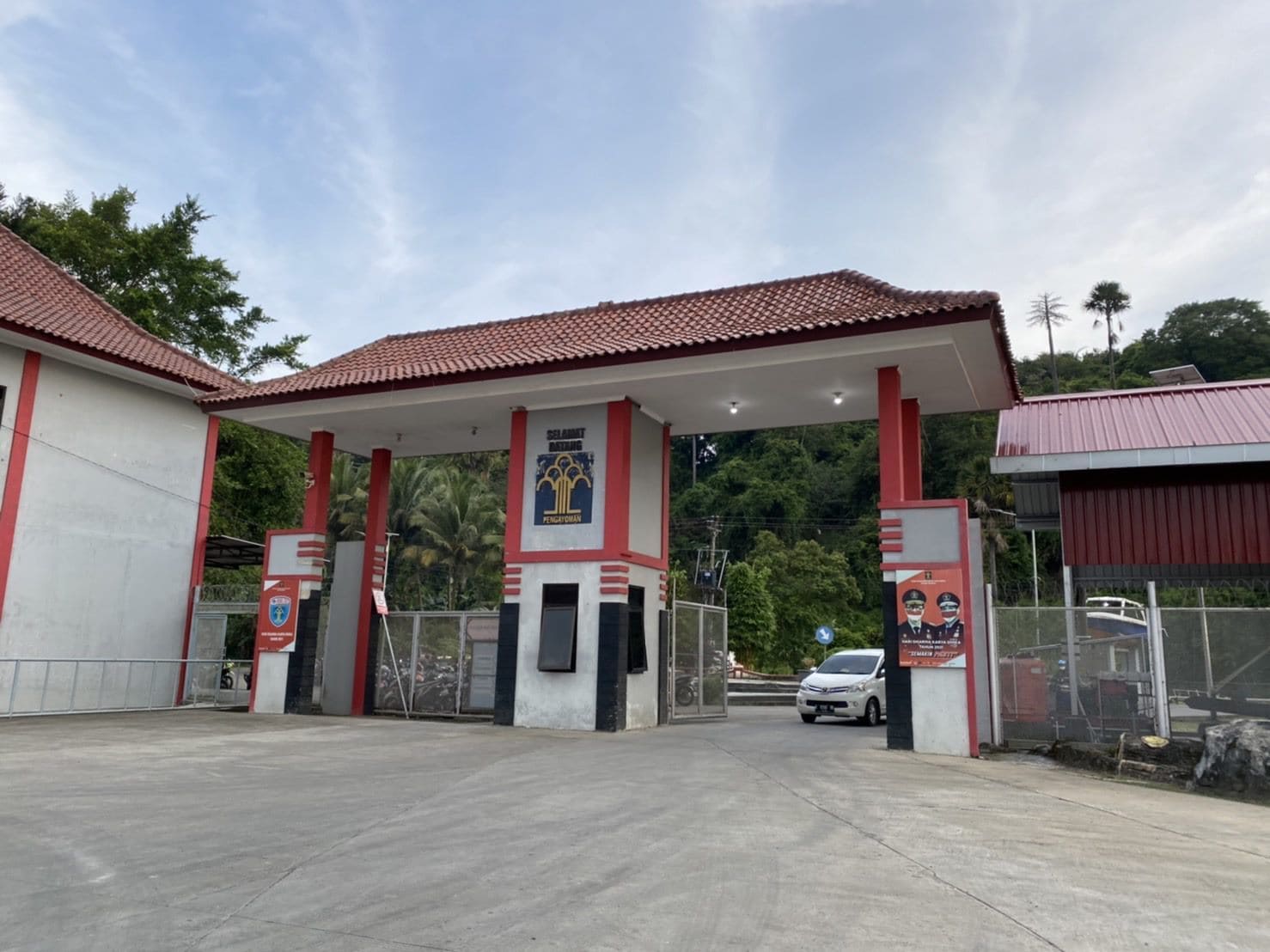
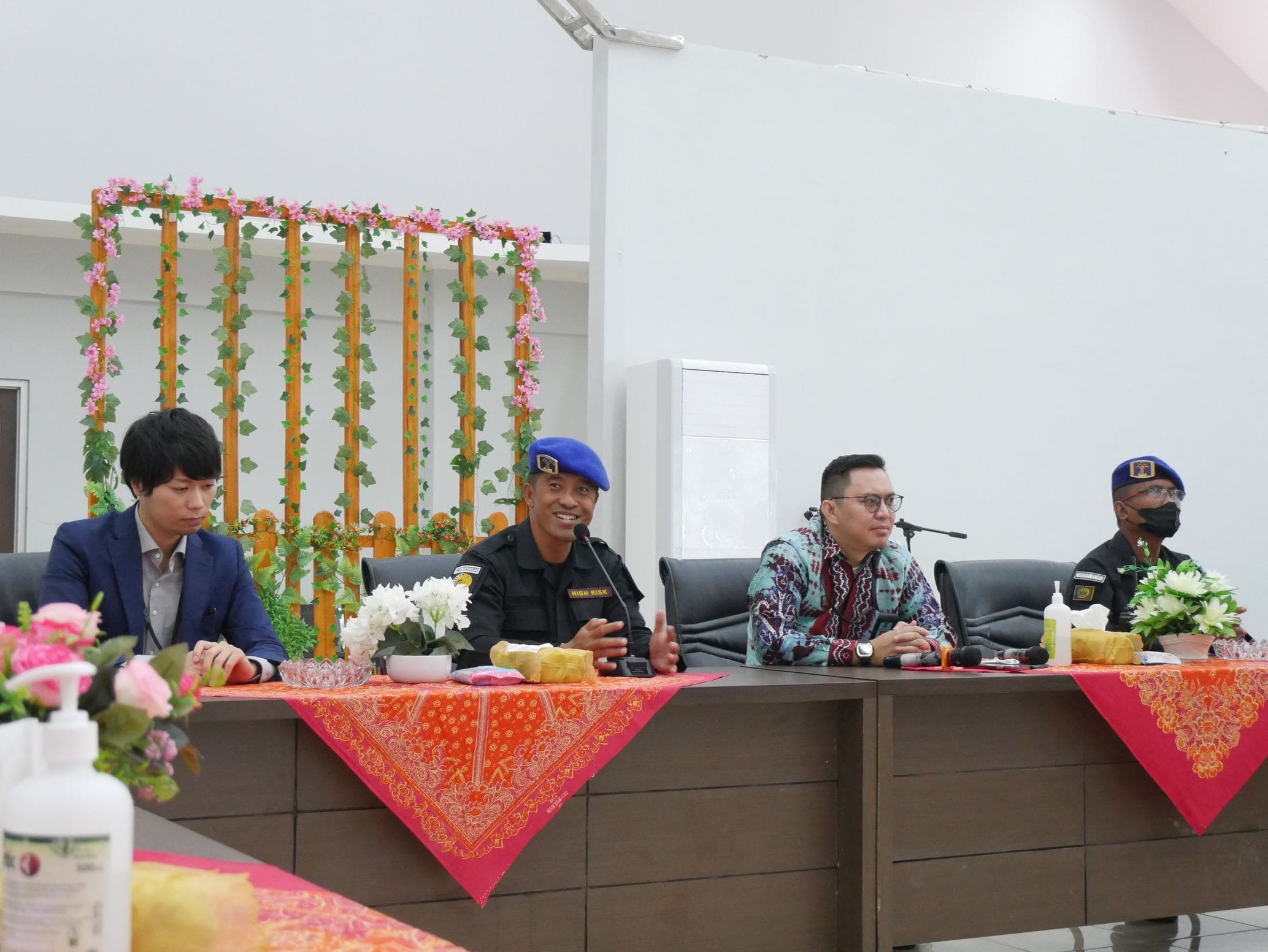
We provide support to individuals in prison who were formerly associated with so-called violent extremist organizations at the maximum-security prison on Nusakambangan Island in Central Java, widely known as Indonesia’s “prison island.” In particular, former senior members and individuals involved in planning suicide bombings are separated from the general prison population and placed under strict security measures. However, such conditions can often deepen feelings of distrust and resentment toward the state and society, making it more difficult for individuals to develop the motivation and capacity needed for social reintegration.
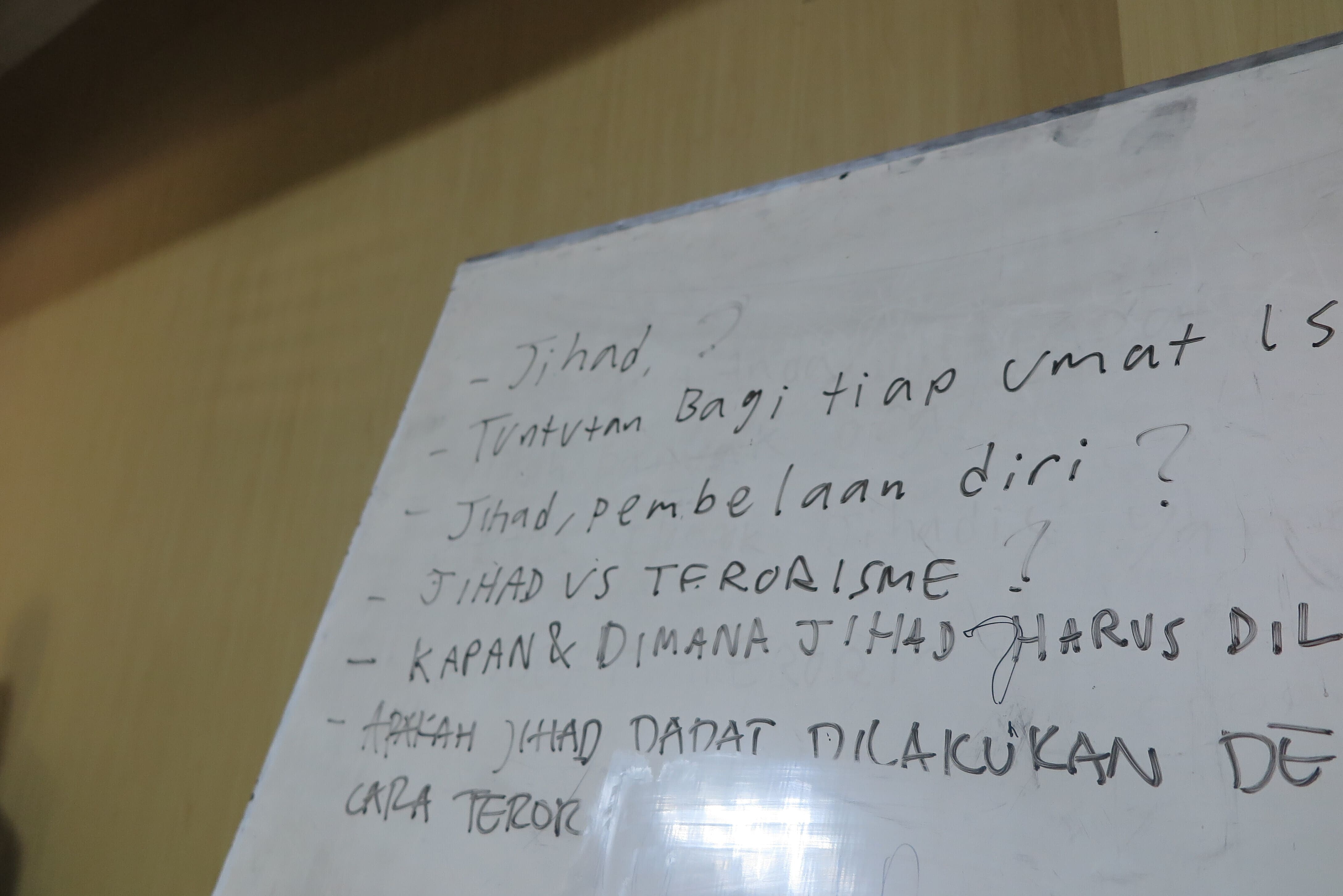
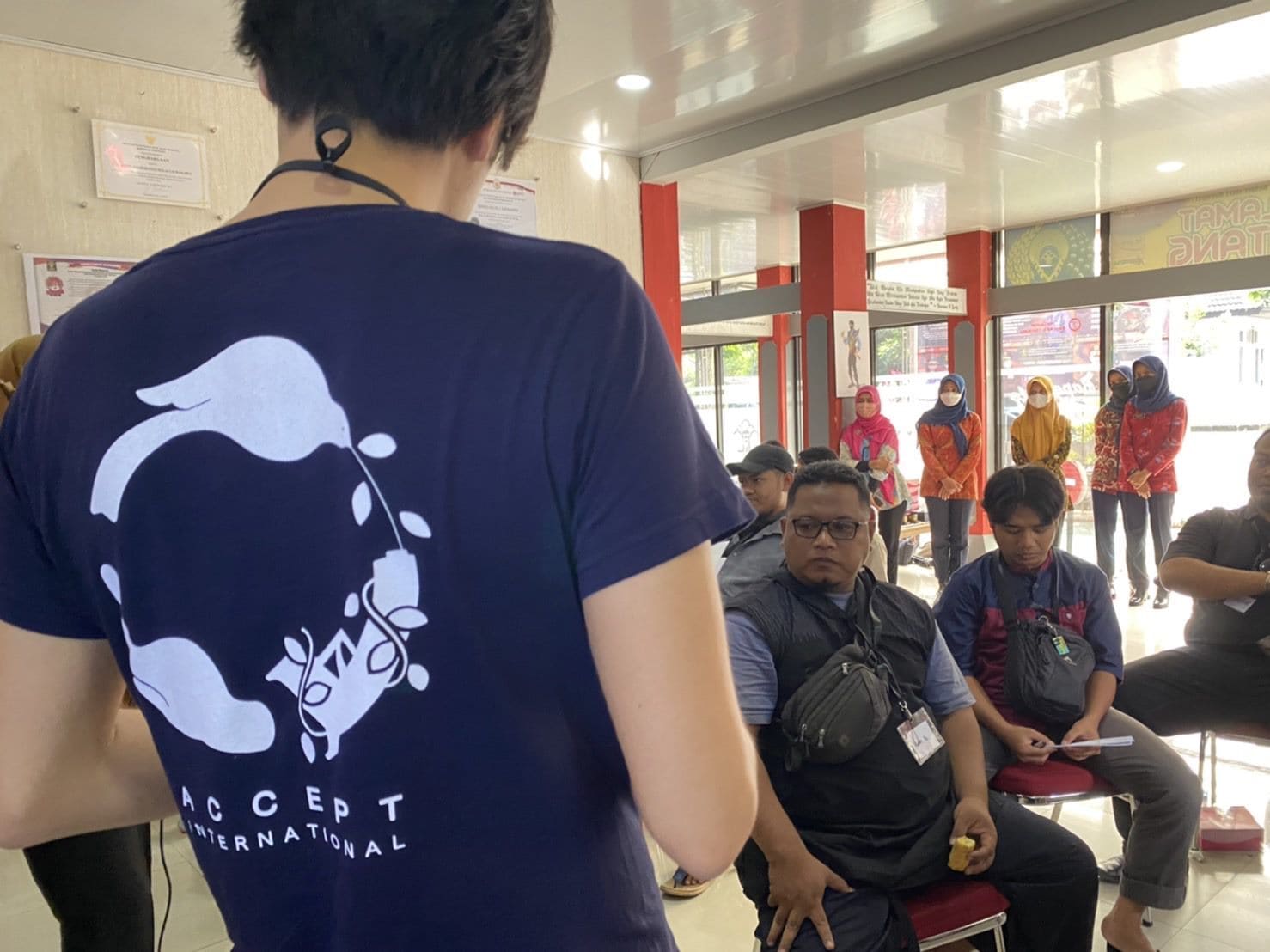
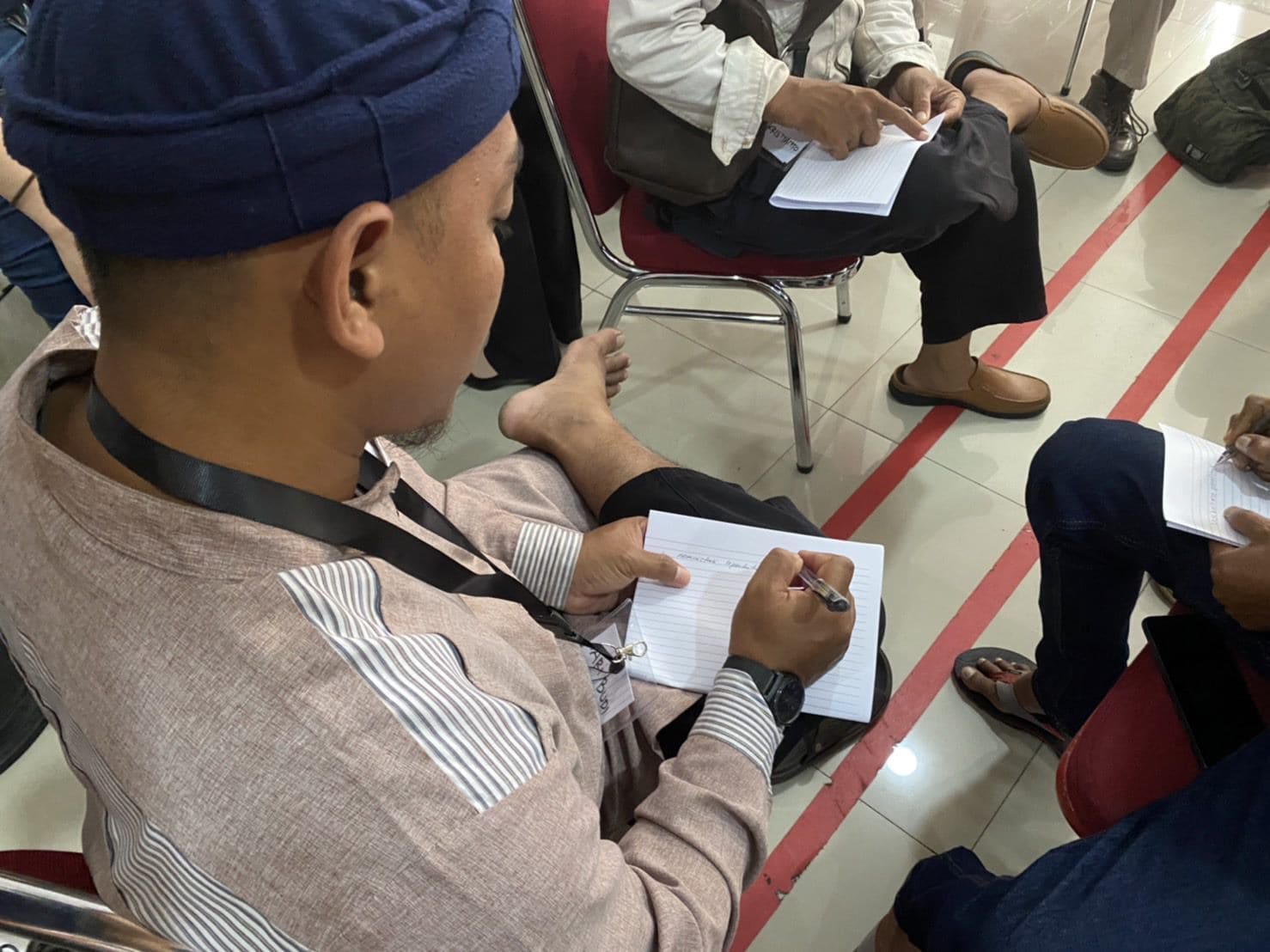
Drawing on our experience in Somalia and Yemen, we provide tailored support to these individuals. In Indonesia, individuals often become involved with so-called violent extremist organizations primarily due to religious or ideological motivations, rather than economic hardship or coercion. For this reason, we place particular emphasis on dialogue-based approaches, including counseling, religious dialogue sessions, and reintegration preparation session
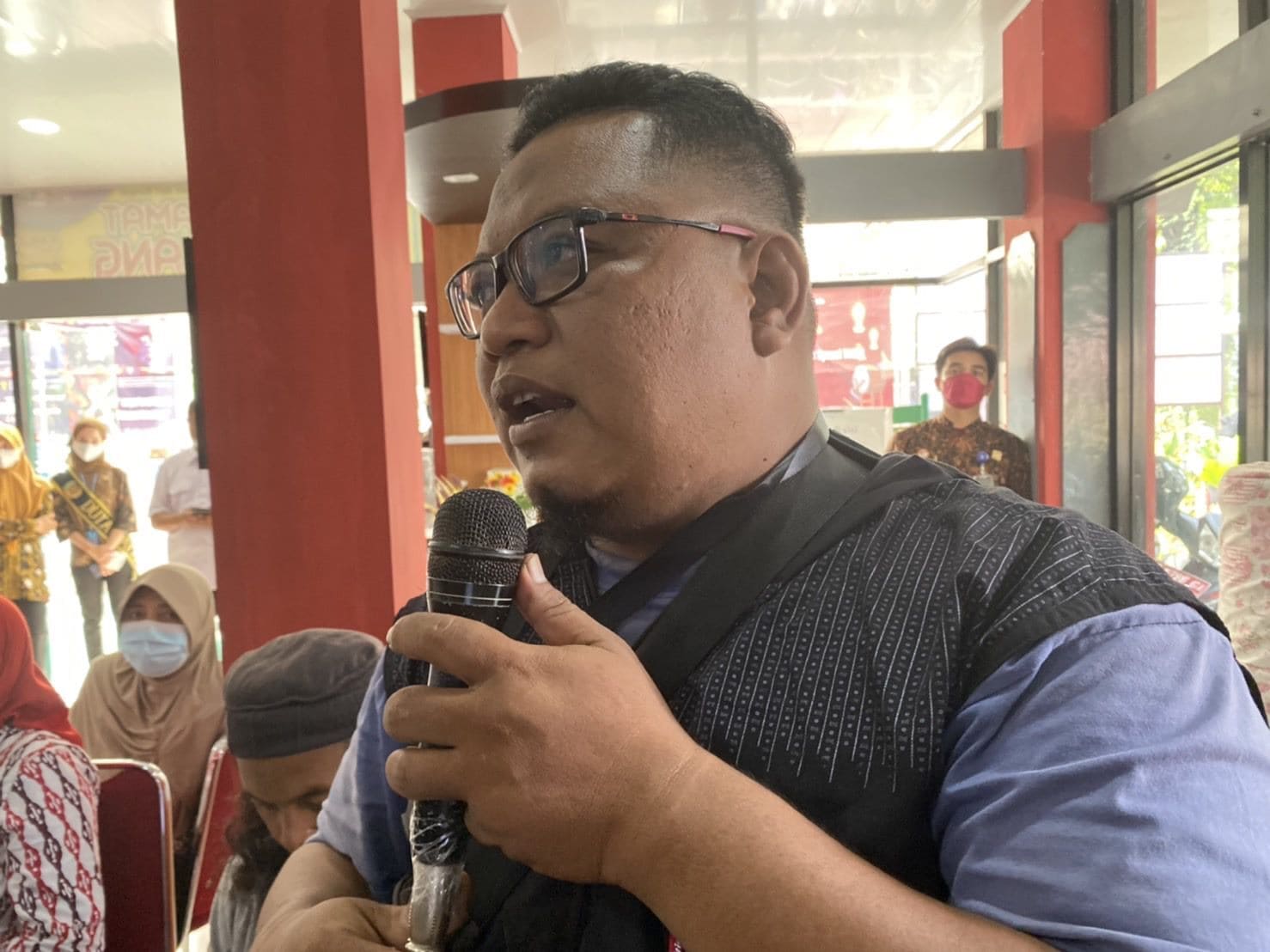
Through dialogue, we seek to understand their beliefs and perspectives while encouraging critical reflection on whether violence is truly the most effective means of achieving their goals. As these individuals have firsthand experience with involvement in violent extremism and imprisonment, we believe it is essential to work alongside them to explore pathways through which they can contribute to society through non-violent means.
2. Promoting Reconciliation and Community-Based Prevention of Radicalization
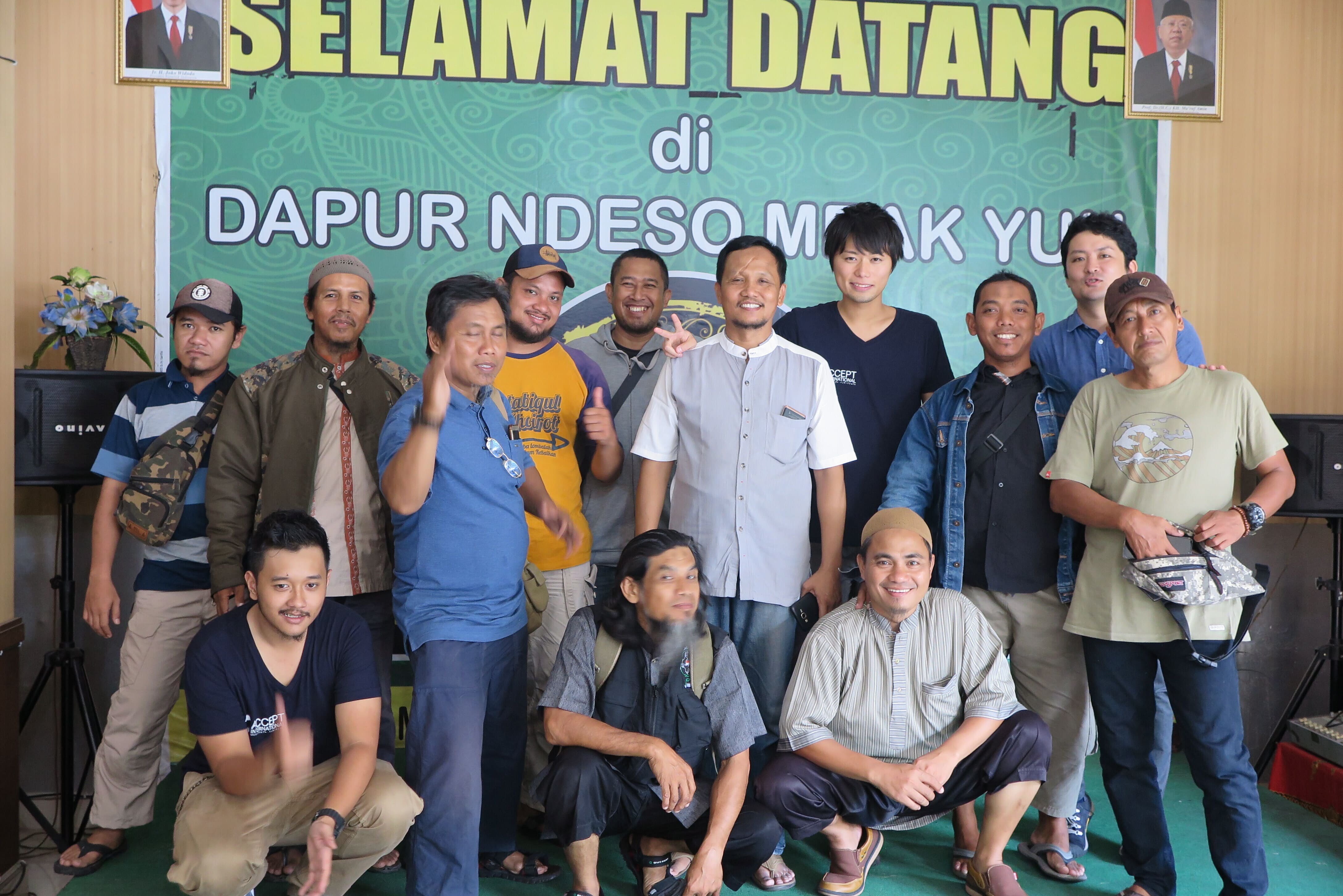
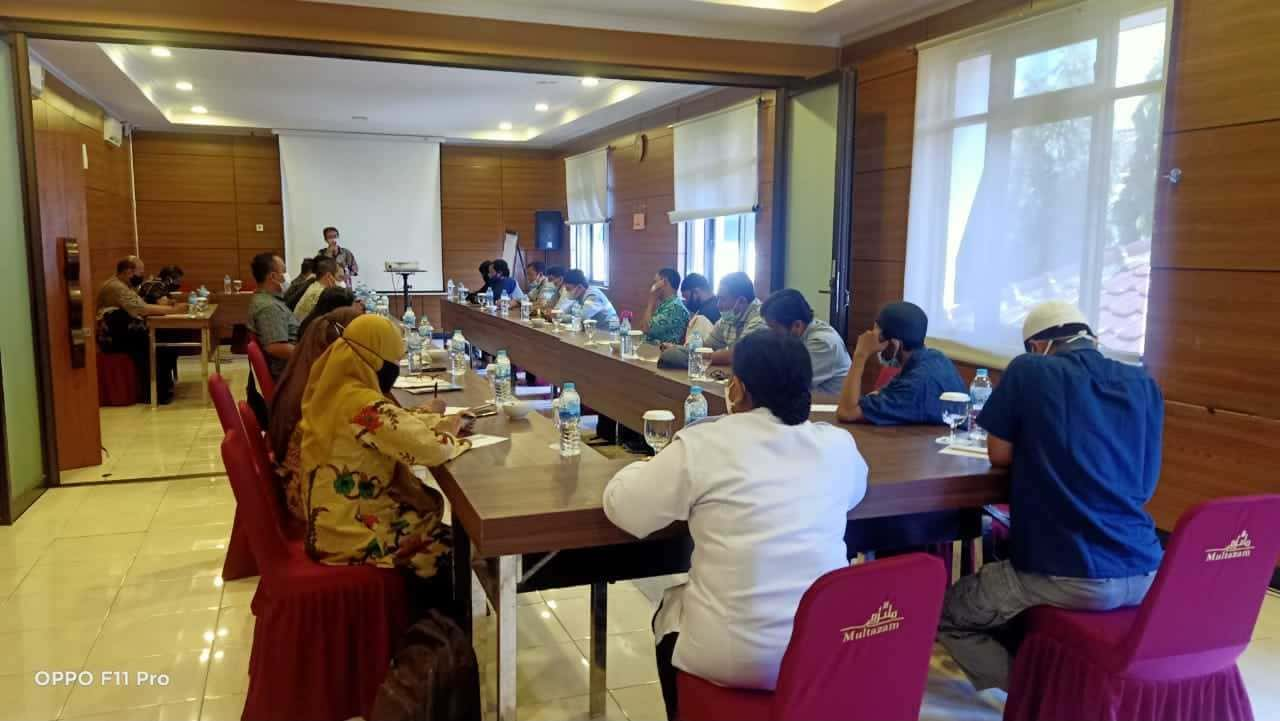
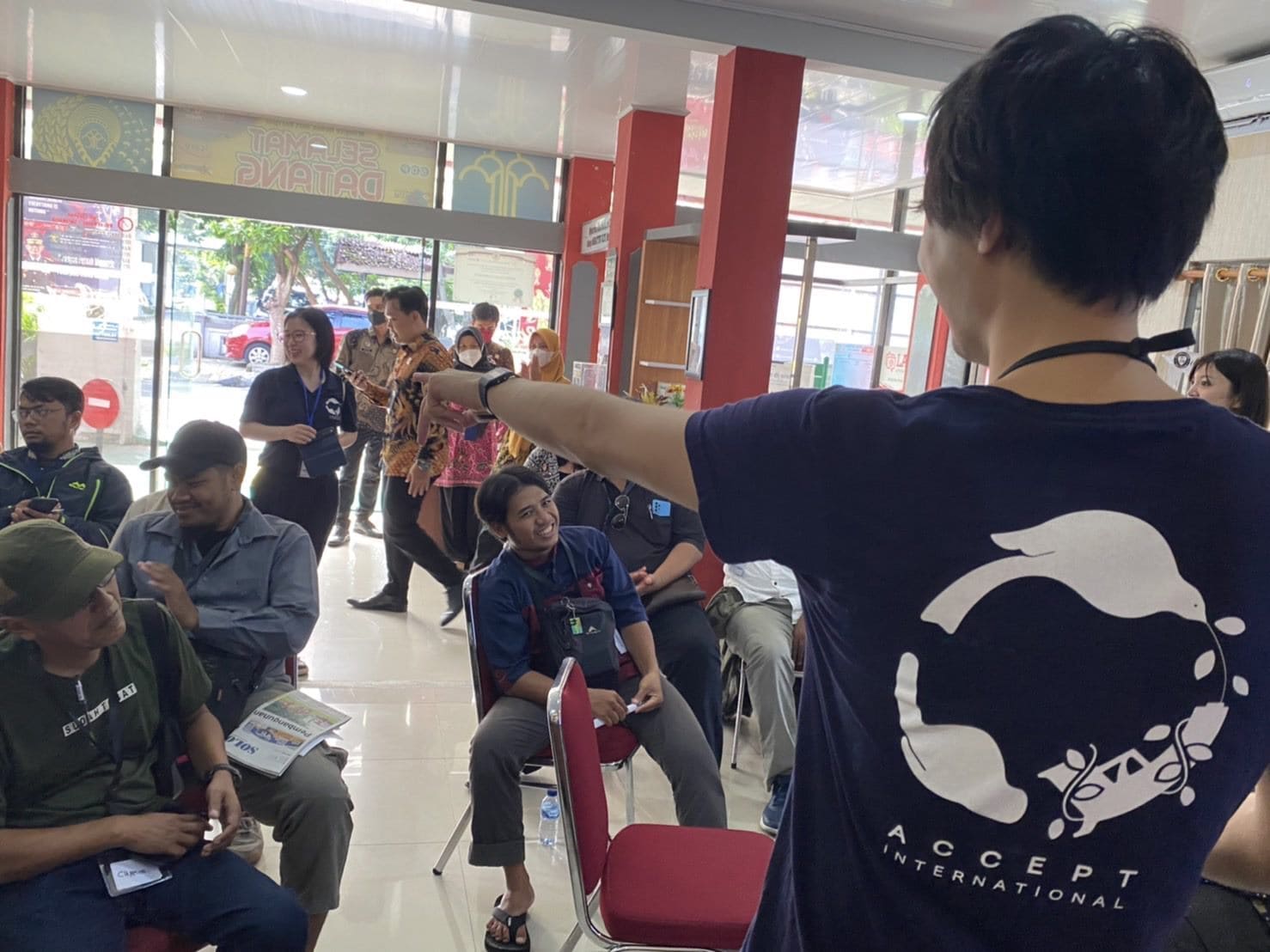
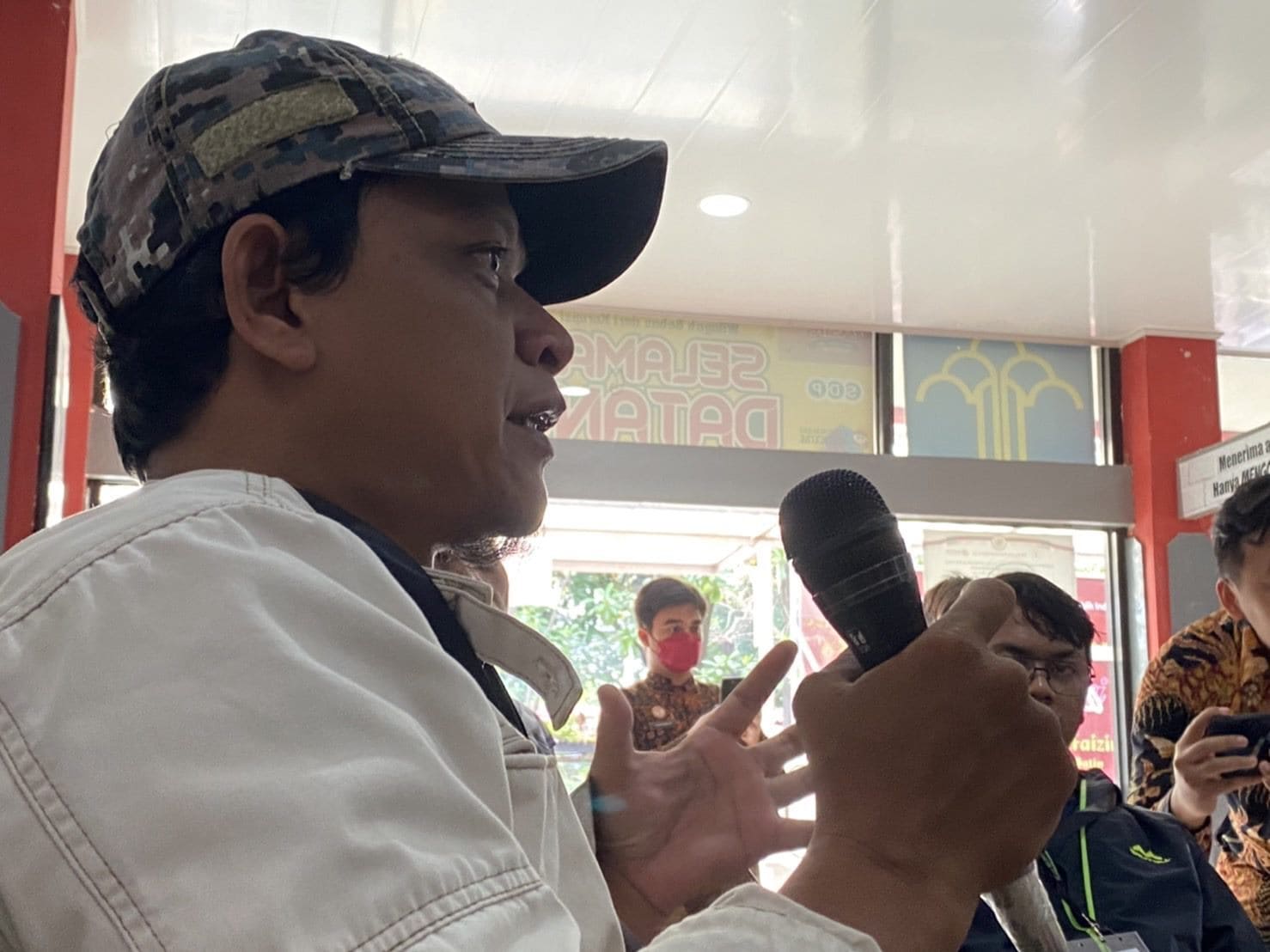
In order for former inmates to successfully reintegrate into society and live as members of their communities without becoming re-radicalized, the understanding and support of local communities are essential. We create opportunities for dialogue between former inmates and community members to foster mutual understanding and reconciliation, while also working with government authorities and local communities to conduct awareness-raising activities aimed at preventing youth radicalization.
3. Strengthening Local Support Systems
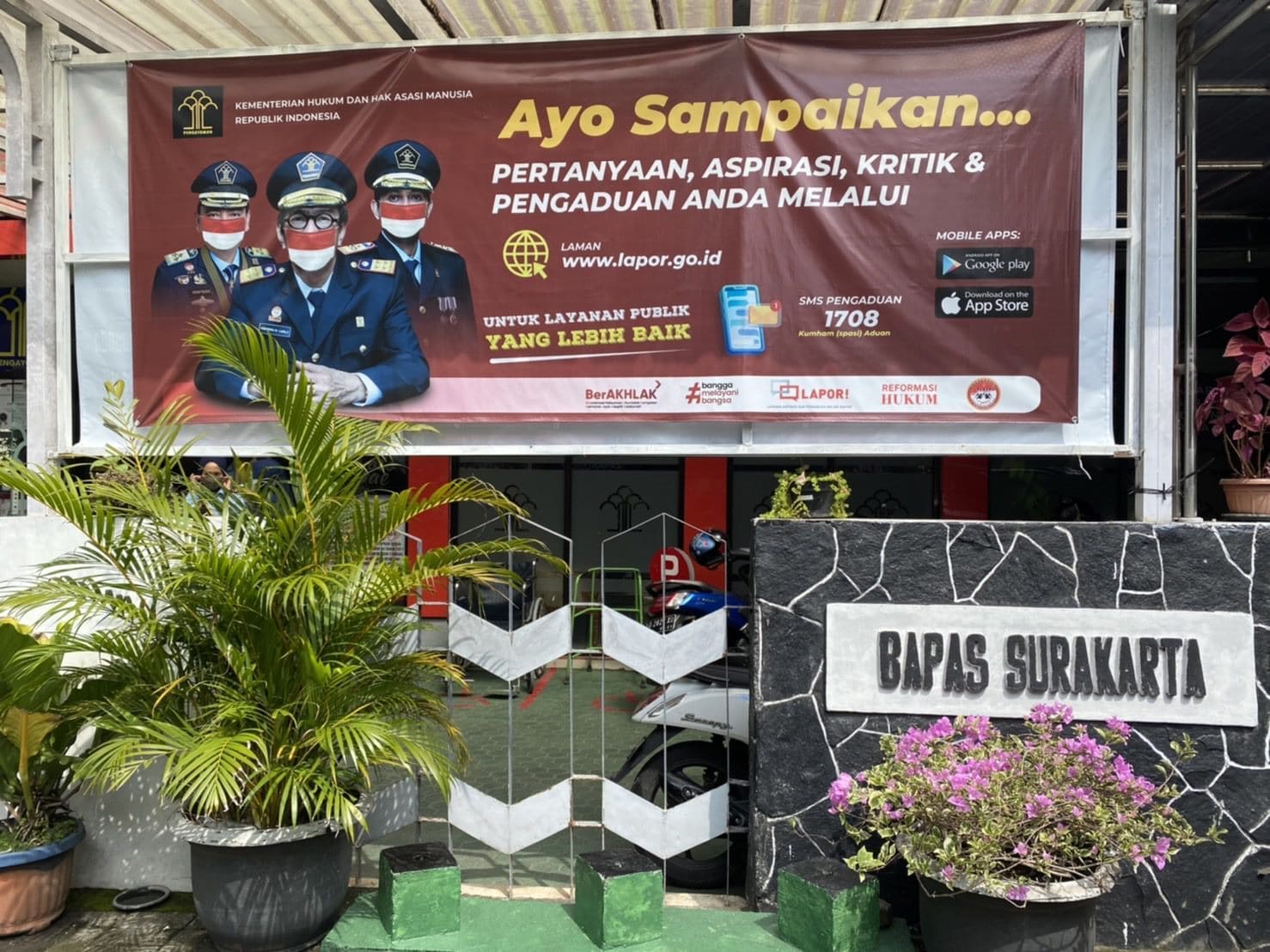
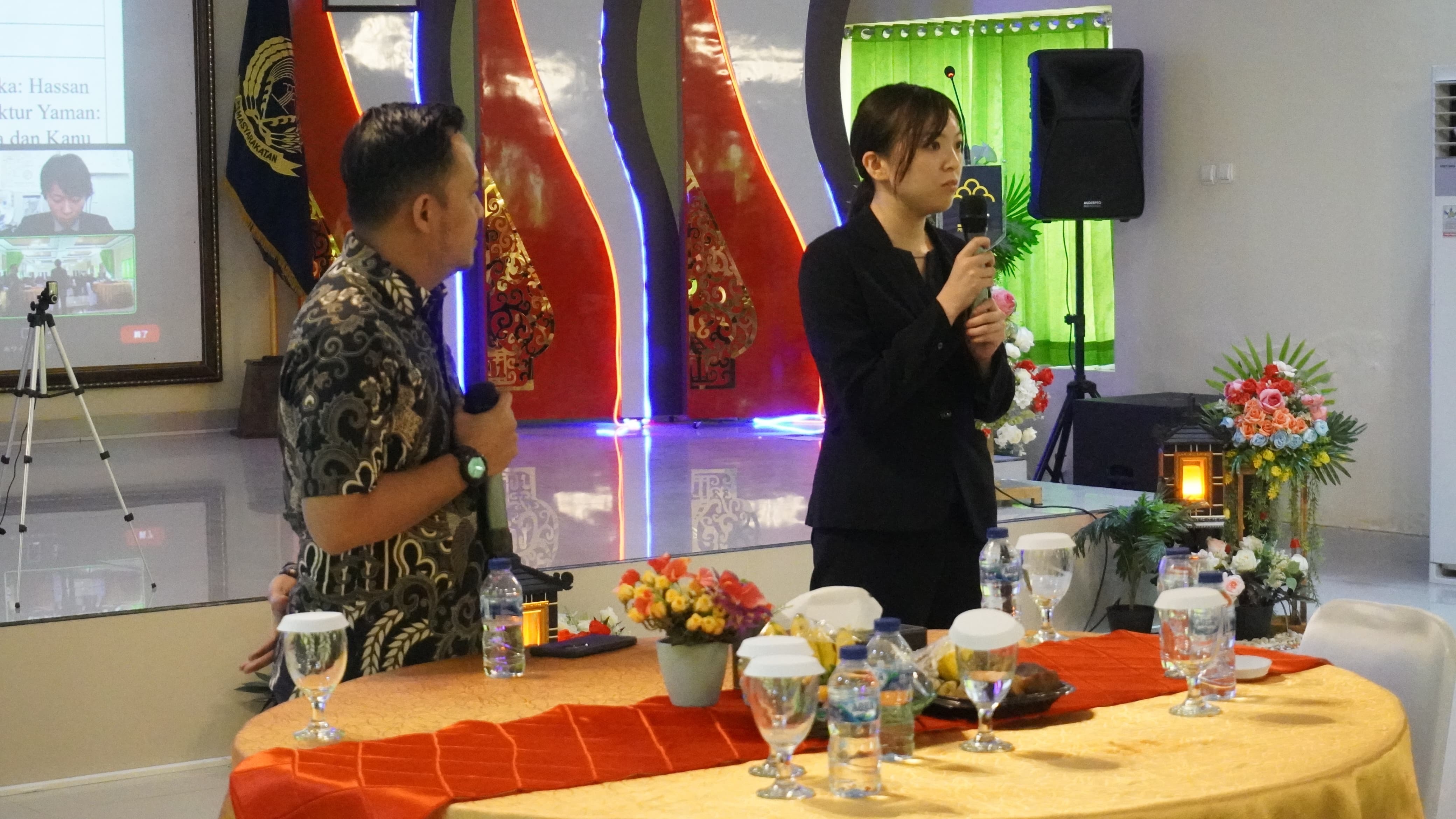
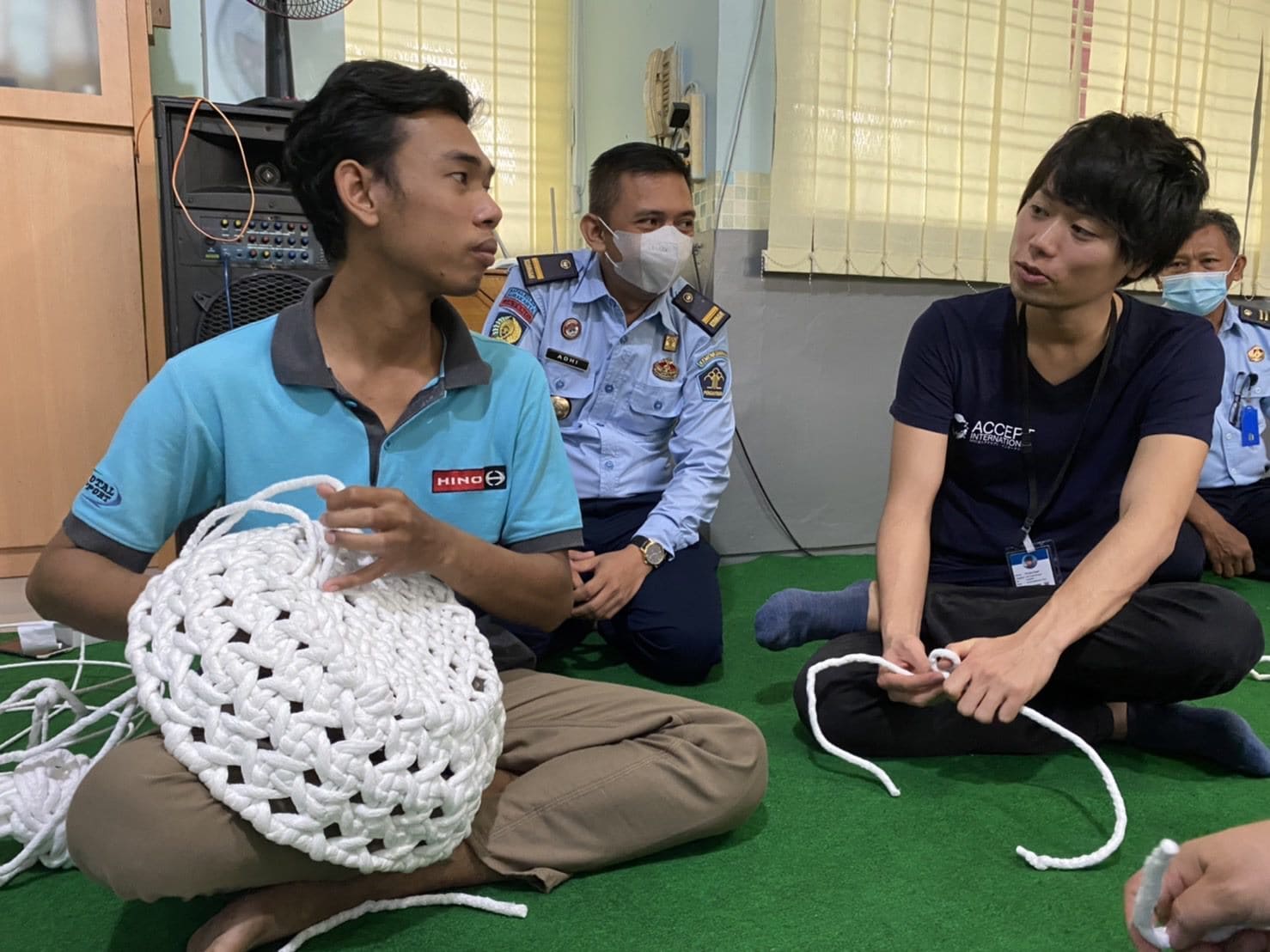
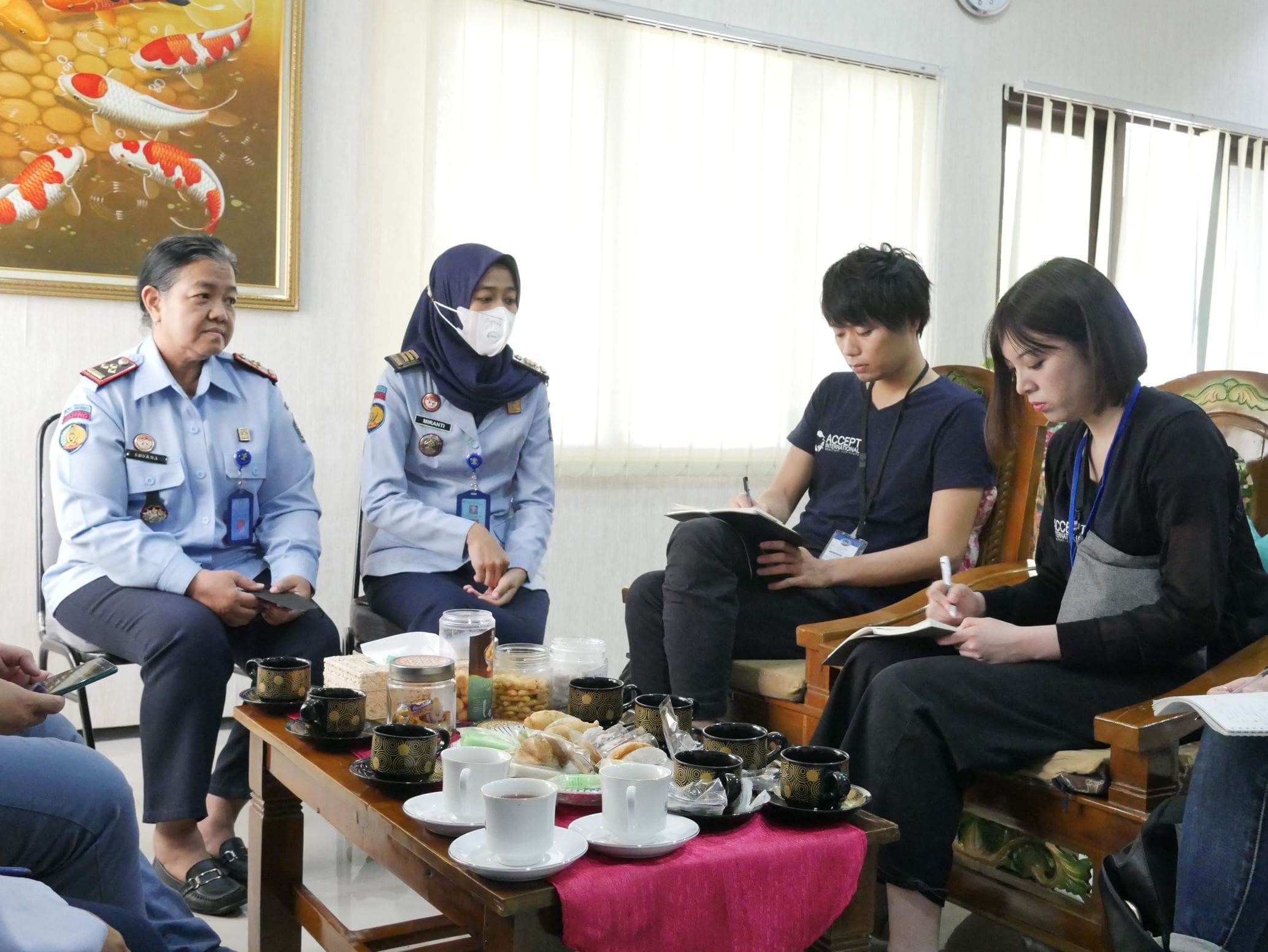
We provide training for prison officers and probation officers who support the reintegration of inmates, focusing on needs assessment, counseling techniques, and relationship-building skills. In addition, we support the development of infrastructure, including the establishment of counseling rooms within prisons and the renovation of training centers used by inmates, prison officers, and probation officers, with the aim of sustainably strengthening local support systems.
Past Initiatives: Preventing Online Radicalization Among Youth
In Indonesia, many of the young people involved in so-called viollent extremist organizations are reportedly under the age of 29, and with the spread of the internet and social media, online recruitment targeting vulnerable youth has increased rapidly. With support from the Toyota Foundation, we have implemented social media video campaigns and online seminars featuring experts from Indonesia and abroad to help prevent young people from becoming involved in violence by encouraging them to reflect on their identities and recognize the importance of the people around them, including family and friends.